
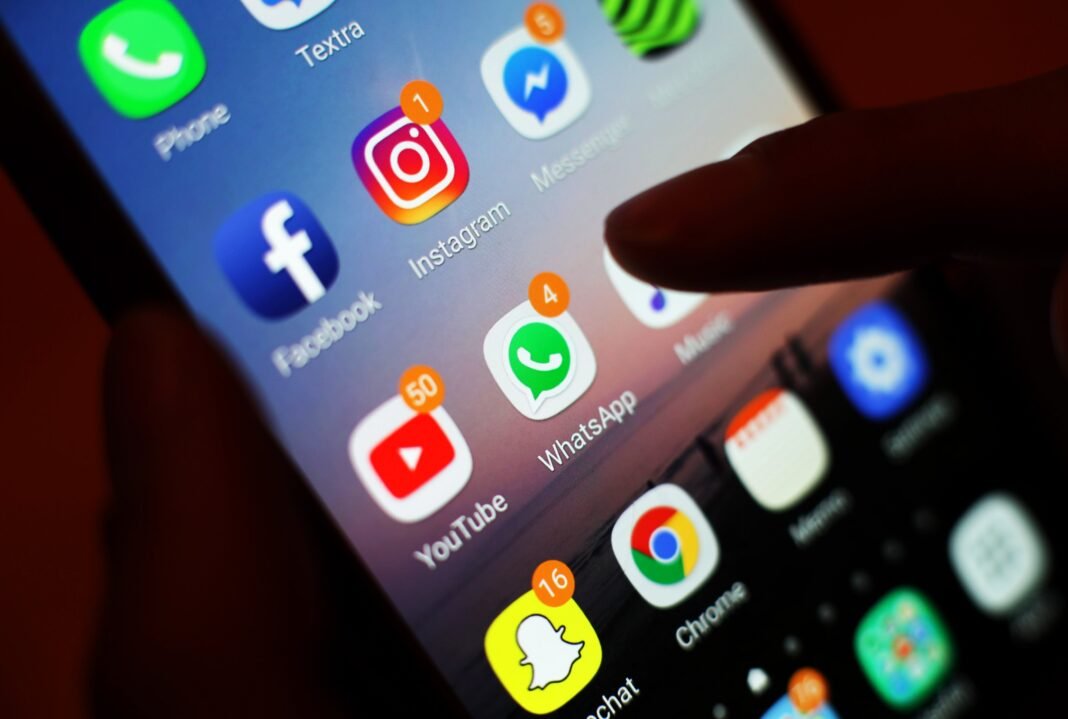


The government has begun discussions on withdrawing safe harbour protection from social media platforms, a step that could make companies such as Meta, Google and X legally responsible for content posted by their users. The Ministry of Electronics and Information Technology (MeitY) is examining whether the protection under Section 79 of the Information Technology Act, 2000, should continue for platforms that rank, recommend and promote content. The Indian Express reported the discussions on 5 November. No final decision has been taken.
Safe harbour: what Section 79 covers
Section 79 gives internet intermediaries safe harbour from liability for content posted by users, provided they meet conditions set out in the law and follow due diligence rules. The protection has allowed companies such as Meta, Google and X to build large businesses around user-generated content without facing legal action over every post, video or comment. The government is now considering whether that protection should be restricted to services that only transmit information, such as internet service providers, telecom operators and peer-to-peer messaging platforms. Under the proposal, platforms that use algorithms to decide what appears in a feed would no longer have automatic protection. The safe harbour question turns on the difference between carrying content and choosing what people see.
Why the safe harbour review is happening now
The review follows concern inside the government that social media algorithms amplify harmful material, including deepfakes and campaigns against the government. A parliamentary standing committee headed by BJP MP Nishikant Dubey has also called for stricter measures to regulate social media platforms. A section of the government believes social media platforms are no longer just a means of conveying information, since they determine the ranking and recommendation of content. The government has separately released drafts of changes to the Information Technology (Intermediary Guidelines and Digital Media Ethics Code) Rules, 2021. Amendments notified on 10 February 2026 and effective from 20 February introduced specific requirements for synthetically generated content and shortened several compliance deadlines. The safe harbour discussion is part of a wider overhaul of the rules that govern online platforms.
The government has also released a new draft of changes to the IT Rules, 2021. Under the draft, social media platforms would not be able to ignore government instructions, according to reports of the draft. The draft sits alongside the safe harbour discussion, and both form part of the same effort to tighten the rules for online platforms.
Any withdrawal of safe harbour would require an amendment to the IT Act and approval from Parliament. The government is expected to consult stakeholders and examine legal feedback before taking a final decision. The Supreme Court’s 2015 judgment in Shreya Singhal v Union of India upheld Section 79 while reading down the provision on an intermediary’s knowledge of unlawful content. That ruling remains a reference point for any change. Critics of blanket liability argue it could push platforms to remove lawful content to avoid legal risk, and that smaller technology companies would feel the cost most. Supporters of reform say platforms that shape what users see should answer for the material they promote.
For users, the immediate effect is limited. Nothing has changed yet, and the discussions are still at an exploratory stage. If the protection is withdrawn for platforms that recommend content, users could see faster removal of deepfakes and harmful posts, but also more cautious moderation of lawful material. The distinction the government is drawing matters here. Messaging services that deliver messages between users without interfering with their content could keep the protection, while feeds that rank and promote posts would not. The safe harbour debate will now move through consultation and, if the government proceeds, through Parliament.
MeitY has not set a date for a decision. The Indian Express report said the proposal is still under consideration, and officials have not announced a timeline for the amendment. The ministry has begun discussions but has not published a formal proposal or a date for one. Until then, the protection remains in place for the platforms under review.