
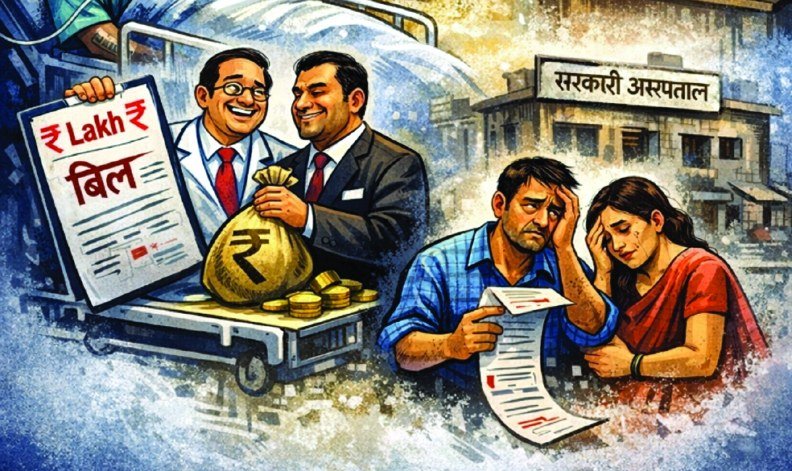


Medical costs in India are projected to rise 10.1 per cent in 2027, down from 11.5 per cent in 2026, according to Aon’s 2027 Global Medical Trend Rates Report. The figures were published by the professional services firm on 12 October and reported in India on 3 November. The slowdown means the pace of increase is easing, but the cost of care will still grow more than twice as fast as general prices. India remains above the Asia Pacific average, where medical costs are projected to rise 9.7 per cent in 2027, down from 11.3 per cent in 2026.
After inflation, the picture is similar. The net figure, which strips out general price rises, puts real growth in medical costs at 6.1 per cent in 2027, down from 7.4 per cent in 2026, against forecast general inflation of about 4 per cent. Globally, the medical trend rate is projected to fall from 9.8 per cent in 2026 to 9.0 per cent in 2027. The report is based on data from more than 100 Aon offices that broker, administer or advise on employer-sponsored medical plans. The report covers more than 100 markets worldwide, and its India figures come from insurers and employers that buy and manage medical cover for staff.
Medical costs stay well above inflation
Medical costs have run well above general inflation in India for years, and 2027 will be no different. Even at 10.1 per cent, the increase is more than double the forecast inflation rate of 4 per cent. Hospitals face rising prices for medicines, consumables and equipment, higher staffing bills and the cost of new technology. More procedures are being done, and the procedures themselves are becoming more involved. Those pressures feed into what employers pay for staff health cover and what families pay from their own pockets.
The slowdown is not spread evenly across the region. China is projected to see medical costs rise by 6.0 per cent in 2027, down from 7.8 per cent in 2026. Several other markets in Asia Pacific are still projected to record double-digit rates, including Singapore at 14.7 per cent, Thailand at 11.7 per cent and Indonesia at 17.3 per cent. India sits between those groups: its rate is falling, but it stays in double digits.
Medical costs: what is pushing them up
Chronic illness drives much of the spending behind medical costs. Cardiovascular disease is the leading driver of medical claims in the region, followed by ear, nose and throat, lung and respiratory diseases and cancer. Those conditions need long courses of treatment, repeat visits and costly medicines. An ageing workforce and wider use of scans, tests and day-care procedures add to the bill. The report notes that insurers and employers are looking harder at what they pay hospitals for treatment and tests, and pricing talks between payers and providers are set to get tougher in 2027.
Ashley DSilva, Head of Health and Wealth Solutions, India, at Aon, said: “Moderation in India’s medical trend rate reflects easing cost pressures and improving conditions across many healthcare systems globally.” Ariz Rizvi, Head of Health Risk Management, Health Solutions, India, at Aon, works on the same area. The easing in medical costs will not cut the amount families and employers actually pay. The report frames 2027 as a year of steady demand for healthcare in India, with patient numbers expected to stay strong even as the rate of increase slows.
What slower growth means for employers
For employers, the numbers shape next year’s health budgets. Premiums for group health cover track medical costs closely, and they depend on claims history, the age of the workforce and the scope of cover, so a slower medical trend rate does not always mean smaller premium rises. Households face the same arithmetic: a hospital stay that cost a certain sum in 2026 will cost about a tenth more in 2027, before any change in the treatment itself. The report’s message is that the pressure is easing, not ending, and the gap between medical inflation and general inflation stays wide.