
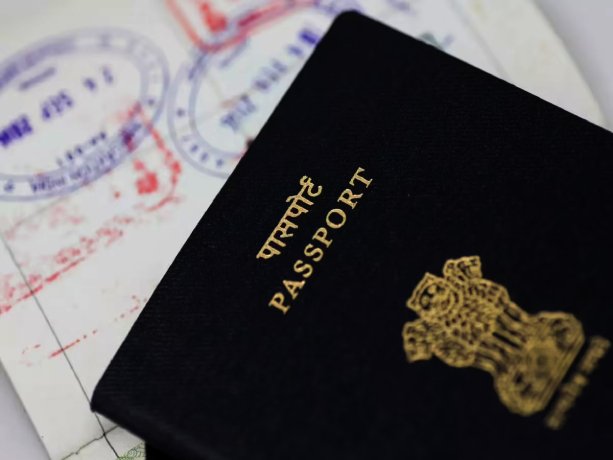


The Home Ministry has made a visa compulsory for members of six non-Muslim communities from Afghanistan, Bangladesh and Pakistan who entered India on or before 31 December 2024 without valid travel documents. The amendment to the Immigration and Foreigners (Exemption) Order, 2025, was notified on 4 November 2026. It covers Hindus, Sikhs, Buddhists, Jains, Parsis and Christians who entered fearing religious persecution, and those whose documents have since expired. The order requires them to obtain an appropriate visa to continue staying in India.
Visa rule: who it covers and who it leaves out
The six communities are the same ones named in the Citizenship (Amendment) Act, 2019, which fast-tracked citizenship for members of those minorities who entered India on or before 31 December 2014. The new order does not change that date. Citizenship under the 2019 law still depends on entry before the end of 2014, while the visa requirement now covers entry up to the end of 2024. The September 2025 exemption had freed the same groups from needing valid passports or visas at the time of entry, and from prosecution under passport and foreigners laws. The amendment keeps that protection from penal action and adds the requirement to regularise the stay afterwards.
The September 2025 order was issued as the Immigration and Foreigners Act, 2025, came into force. It also set out the officers who can compound offences under the Act and the delegation of enforcement powers to states and union territories. The order covers the same six communities that the Citizenship (Amendment) Act names, and it was issued under the new Act’s exemption provisions.
The visa rule and the 2014 citizenship cutoff
The distinction between the two dates matters for people who arrived after 2014. A Hindu or Sikh family from Pakistan that entered in 2018, for example, is covered by the exemption from penal action and must now obtain a visa, but cannot use the 2019 citizenship law because it arrived after the 2014 cutoff. The Home Ministry has said the Citizenship (Amendment) Act deals only with the grant of citizenship, and the exemption order deals only with the right to stay. The two instruments now run side by side, with different dates for different purposes. Anyone who arrived after 31 December 2024 is not covered by either protection.
The Immigration and Foreigners Act, 2025, replaced older laws including the Passport (Entry into India) Act, 1920, the Registration of Foreigners Act, 1939, the Foreigners Act, 1946, and the Immigration Act, 2000. Section 21 of the new Act provides for imprisonment of up to five years and a fine of up to Rs 5 lakh for a foreigner entering India without a valid passport or visa. Section 23 penalises overstaying with up to three years in jail or a fine of up to Rs 3 lakh. The exemption order shields the six communities from those provisions, provided they meet the entry date and the conditions set out in the order. Ministry officials have said the exemption does not change the citizenship cutoff, which remains 31 December 2014.
The order also covers citizens of Nepal and Bhutan, and Tibetans who entered India between 1959 and 30 May 2003 on a special entry permit issued by the Indian embassy in Kathmandu and registered with foreigners registration officers. They have a similar exemption from penal proceedings. The ministry has also set out graded penalties for overstaying beyond the period allowed, starting at Rs 10,000 for up to 30 days. The requirement for the six communities sits within that wider framework, and the order makes clear that anyone who arrived after 31 December 2024 is not covered by it.
The amendment was notified on 4 November, and the Home Ministry has said the order gives the six communities a clear route to regularise their stay. They can now apply for a visa to continue living in India, even though the citizenship cutoff remains 31 December 2014. The order applies to those who entered on or before 31 December 2024.