
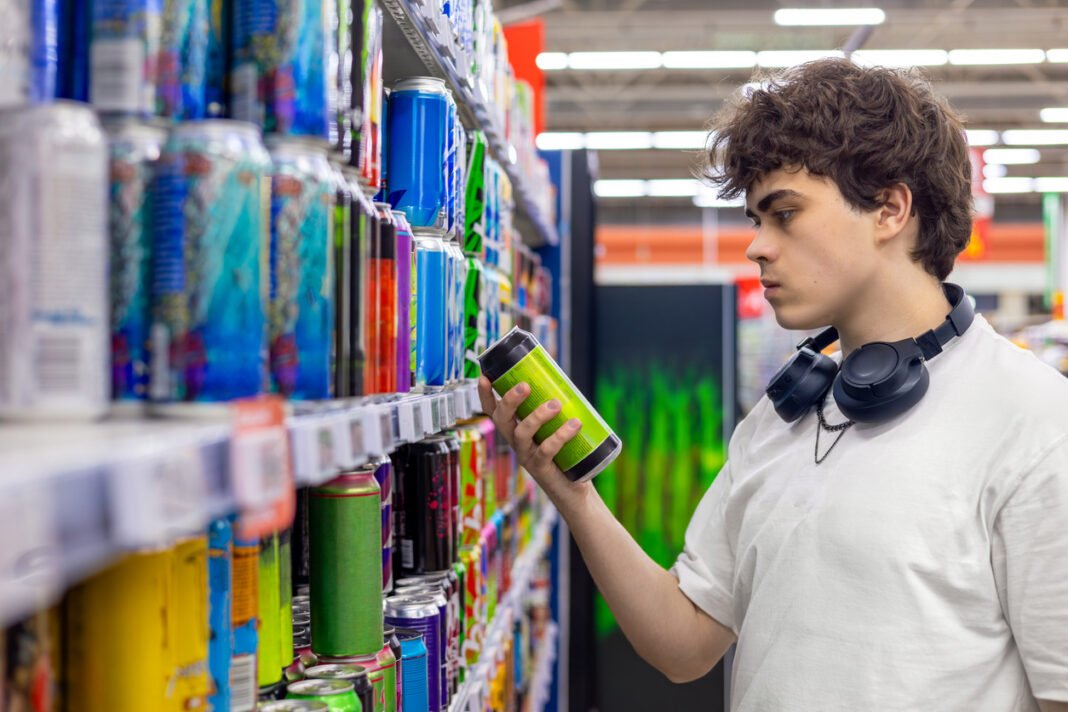


Energy drinks can pack hundreds of milligrams of caffeine into a single can, and doctors say children should not drink them at all. The American Academy of Pediatrics says caffeine has no place in the diet of a child or adolescent, and it advises against any use of energy drinks for children and teens. For those aged 12 to 18, the academy sets a daily caffeine limit of 100 milligrams, about the amount in two cans of cola.
Use among teenagers is widespread. A Monitoring the Future survey reported on October 3 found that 23 percent of 12th graders, 20 percent of 10th graders, and 18 percent of 8th graders drank energy drinks every day. Caffeine-related emergency department visits among middle and high school students nearly doubled between 2017 and 2023, according to a parent guide from the academy, and poison-control calls about young people with reactions to the drinks rose 24 percent in 2023.
The caffeine load in one can can be far higher than parents expect. A 12-ounce energy drink carries 41 to 246 milligrams of caffeine, against 23 to 83 milligrams in a soda and about 95 milligrams in a cup of coffee. A standard 16-ounce can can pass 300 milligrams, and some cans hold more than 500 milligrams, the caffeine in about 14 cans of cola. Federal guidance says adults can take in 400 milligrams a day, but there is no safe amount set for children.
Energy drinks and the developing heart
Caffeine acts as a stimulant on the central nervous system. Too much can raise heart rate and blood pressure, disturb sleep, and bring on anxiety, agitation, and an irregular heartbeat. Caffeine is also a diuretic, which can leave a young athlete short of fluid during sport or hot weather. Children weigh less than adults, so the same can gives them a dose per pound of body weight two to four times higher.
The risks do not end in the short term. Energy drinks can disturb sleep and suppress appetite, and regular use can lead to dependence. Doctors at the University of Alabama at Birmingham say the drinks tend to carry far more caffeine and sugar than soda or coffee, and far more processing. Caroline Cohen, a dietitian and assistant professor in the university’s Department of Family and Community Medicine, advises teens and children to avoid caffeine because it can hurt their sleep.
Dr. Elizabeth Jackson, a cardiologist at the university’s Cardiovascular Institute, said coffee in moderation is fine for adults but warned against highly caffeinated drinks. “Energy drinks tend to have a lot more caffeine and sugar and are more processed,” Jackson said. Braden McFarland, an associate professor in the Department of Cell, Developmental and Integrative Biology, said high amounts of caffeine are linked to anxiety, heart palpitations, and broken sleep, even though caffeine on its own is not linked to cancer.
Energy drinks carry risks beyond caffeine
Sugar adds a second problem. One popular brand packs 58 grams of sugar into a single can, and the sweet load can push blood sugar up fast and then drop it. McFarland said there is no causal link between energy drinks and cancer, but the high sugar content can feed obesity, which is a known cancer risk factor. A study in the journal Nature found that taurine, a common ingredient, can fuel leukemia cells that are already established.
The danger has shown up in emergency rooms. A 2017 death reported by the Associated Press involved a teenager who had drunk a Mountain Dew and a McDonald’s latte earlier in the day before an irregular heartbeat after an energy drink; the coroner said he had no prior heart condition. Doctors at the university have also reported the first case of a brain bleed tied to an energy drink, in a 57-year-old man whose symptoms began 15 minutes after drinking one.
The American Beverage Association says its members put caffeine totals on labels and carry warnings against use by children, and that they do not sell or market the drinks in schools for pupils up to age 18. The American Academy of Pediatrics takes a firmer line, telling parents to keep energy drinks out of children’s hands entirely, and to offer water, sleep, and regular meals instead.