
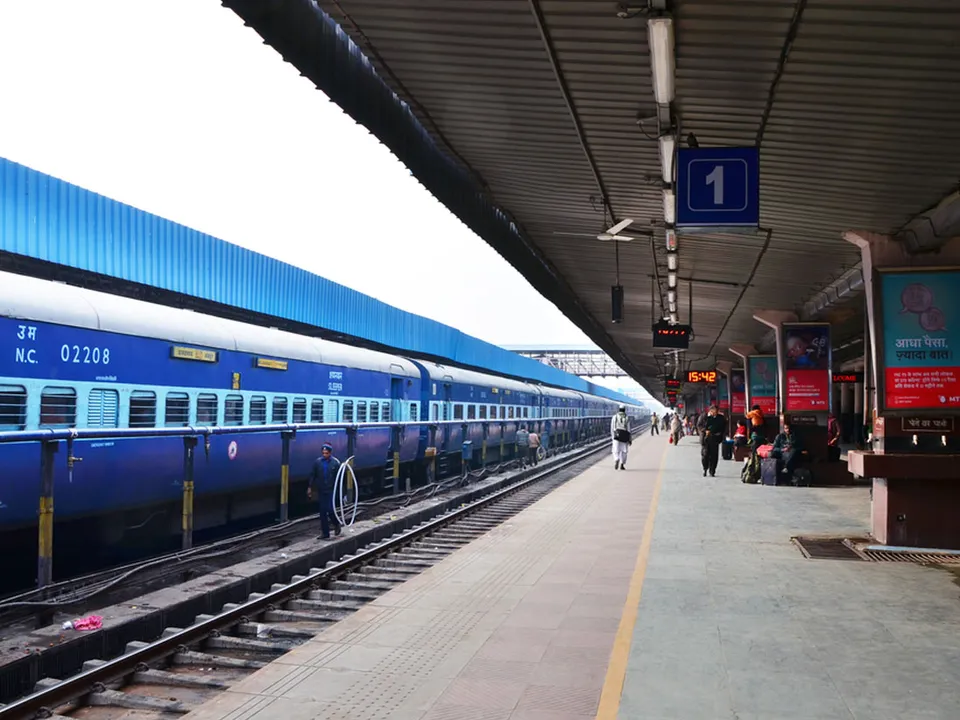


Japan has placed its first order for railway propulsion systems made in India, a milestone for Indian railway manufacturing reported on 11 and 12 November 2026. The railway propulsion order is the first Japan has placed for indigenously manufactured electronic train propulsion systems from India. Propulsion systems convert electrical power into traction for the wheels and typically account for nearly 40% of a train’s overall value. The order adds one of the most demanding railway technology markets in the world to India’s export list.
India has already supplied railway components and systems to Germany, France, Switzerland and the United States. Japan is one of the most demanding railway technology markets in the world, and the order puts Indian-made systems in front of its buyers. Railway propulsion work in India has grown through manufacturing facilities that supply global projects. The export initiative began about four years ago, with Switzerland as the first destination, chosen for its strict manufacturing standards. The order was reported on 11 and 12 November 2026, and it was described as a milestone for Indian railway manufacturing. The order is the first Japan has placed for Indian-made electronic train propulsion systems, and it adds a buyer from one of the most demanding railway technology markets in the world.
Railway propulsion exports so far
Alstom’s manufacturing facilities in India have exported thousands of railway propulsion systems and other railway components for global projects. The company’s India plants supply parts and systems used in trains outside the country. Switzerland was the first destination for the export push about four years ago, and Germany, France and the United States followed. Japan now joins that list, and its order is the first the country has placed for Indian-made electronic train propulsion systems.
Switzerland was chosen as the first destination because of its strict manufacturing standards. Germany, France and the United States followed as buyers of Indian railway components and systems. Alstom’s facilities in India have exported thousands of propulsion systems and other railway components for global projects, and the Japan order adds a buyer known for demanding standards. The export push has run for about four years, and Japan is the latest market to buy in.
Railway propulsion and the Vande Bharat plan
Railway Minister Ashwini Vaishnaw has said India aims to export complete Made-in-India Vande Bharat trainsets by 2029-30. The target sets a date for moving from components and systems to finished trains. The railway propulsion order from Japan fits that path, showing that Indian-made systems can meet the standards of a leading railway market. The export initiative started with components, and the minister’s target points to whole trainsets as the next step.
Shares rise and the Japan connection
Railway shares RVNL and IRFC jumped up to 10% on 11 November on the news. The railway propulsion order behind the rise was the first Japan has placed for Indian-made systems. The rise followed reports of the Japan order and the milestone it marks for Indian railway manufacturing. India and Japan also work together on the 508-km Mumbai-Ahmedabad high-speed rail corridor, which is built on Shinkansen technology.
The 508-km Mumbai-Ahmedabad high-speed rail corridor uses Shinkansen technology from Japan. The corridor runs 508 km between Mumbai and Ahmedabad. It is a separate project from the propulsion order, but it shows the depth of railway ties between the two countries. The order adds a Japanese buyer for Indian-made systems, and the corridor adds a shared high-speed project. The two countries work together on the corridor, and the order adds a commercial deal to that railway relationship.
The Japan order covers indigenously manufactured electronic train propulsion systems, the first such order from the country. Railway propulsion systems typically account for nearly 40% of a train’s overall value, so the order carries weight beyond its size. India has supplied railway components and systems to Germany, France, Switzerland and the United States, and Japan is the latest market to buy in. The milestone was reported on 11 and 12 November 2026.