
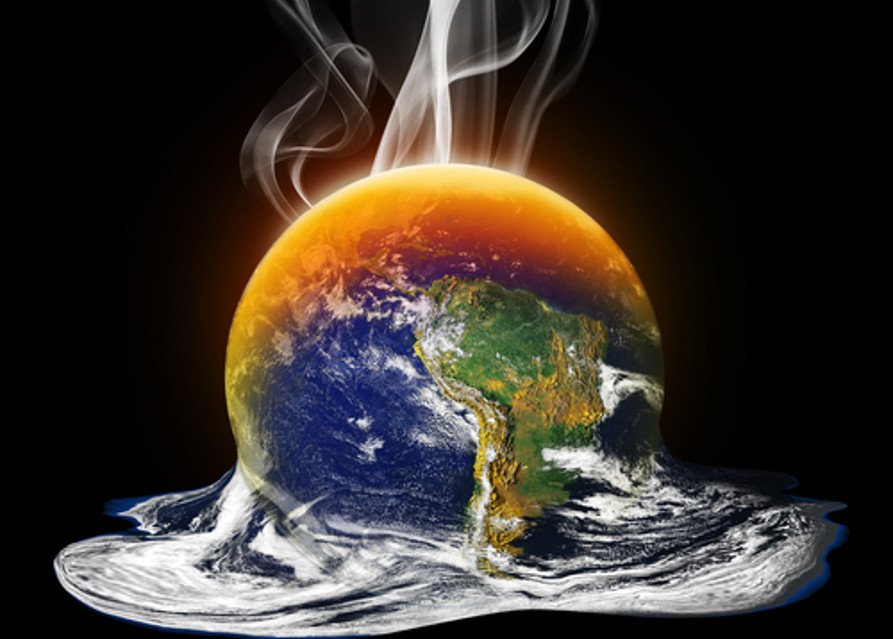


The world is heading for an “irrevocable overshoot” of global temperature thresholds, according to a new analysis, which warns that billions of people face disastrous climate impacts because governments have waited so long to cut emissions. The report, by Climate Action Tracker, says current policies put the planet on course to heat up by 2.7C on average by the end of the century, compared with preindustrial times.
That figure is up slightly from the 2.6C predicted in the group’s analysis last year. It also breaks the 1.5C global temperature limit agreed by countries a decade ago, a line that is set to be crossed within a few years. Scientists have warned that beyond that point, storms, droughts, heatwaves and flooding that already cause harm will become intolerable in parts of the world, and could set off runaway change that cannot be contained.
What the global temperature analysis found
Even in the most hopeful case in the report, where every pledge, target and long-term promise made by countries was kept in full, the world would still warm by 1.9C by the end of the century. Such targets have often been missed by the countries that made them. The report says leaders now face a stark choice, and the authors argue that the failure to act has left the world with little room to avoid the global temperature overshoot.
“The stark choice for governments is to either continue to support the fossil fuel industry, which would consign humanity to insurmountable economic damages, rising mortality from heat and climate-driven diseases and disasters that they are unable to adapt to, or pivot to the solutions which are available and cheaper than ever,” said Bill Hare, chief executive of Climate Analytics, a partner organisation in the tracker.
Why the global temperature limit will be crossed
Countries, apart from the United States, are gathered in Antalya in Turkey for United Nations climate talks that have centred on the looming overshoot of the global temperature target. The United Nations secretary-general, Antonio Guterres, said on Tuesday that the facts should push governments to act quickly to phase out the fossil fuels that are causing the crisis.
The analysis lines up with a recent United Nations report, which drew on earlier Climate Action Tracker data for its own projections. That report, from the United Nations Environment Programme, said decades of slow action had made it impossible to keep global temperature rise within 1.5C, and put the world on course for about 2.6C of warming by 2100 even if all current pledges were met.
Reasons for hope in the global temperature picture
Carbon pollution is set to dip slightly this year, the tracker noted, and clean energy investment is now double that of fossil fuels. Electric car use is rising fast, and deforestation of the Amazon in Brazil has fallen sharply. The report pointed to those shifts as signs that change is under way, even while the overall pace of cuts falls short of what the science calls for.
Hare said passing 1.5C “cannot be an excuse to open the door to defeatism” and that every small increment of global temperature rise will matter. Sarah Heck, the lead author of the report, said governments “are simply not moving fast enough to adopt the policies that would enable us to escape from the emerging overshoot trap.” She added that some countries, such as the United States, Canada and New Zealand, are slowing their climate action to what she called a staggering level.
Greta Thunberg, the Swedish climate advocate, arrived in Antalya on Tuesday and warned that “everything and everyone we love is at stake” because of the failure to confront the crisis. Her visit put a public face on the talks, which run for 12 days and opened on Monday, November 9. Delegates in Antalya are under pressure to agree on large-scale removal of carbon dioxide from the air as well as deeper cuts in emissions.
The scale of removal needed is large. The United Nations report said its lowest-overshoot path would need about 320 billion tonnes of carbon dioxide removed and stored over the course of this century. Cutting future emissions alone will no longer be enough to bring global temperature back below 1.5C, the report said, and the talks in Antalya will show whether governments are ready to pay for both.