
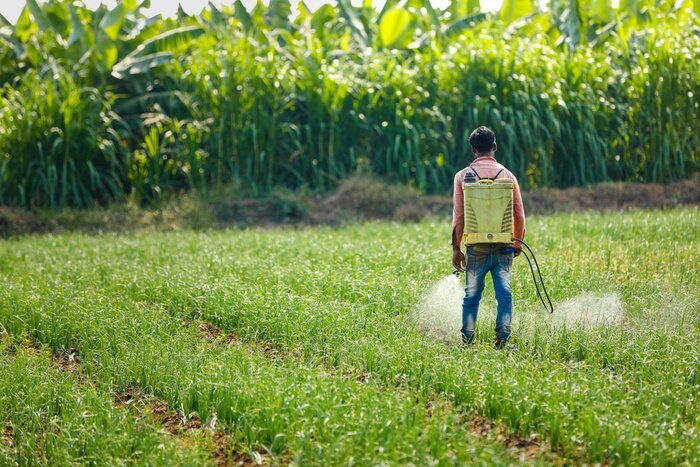


India and Bangladesh have introduced a nationwide paraquat ban on one of the most toxic herbicides used in farming, and the World Health Organization welcomed the move in a statement on 12 November 2026. The paraquat ban in each country covers a chemical that is widely sold for weed control and is also linked to a large number of deaths by suicide. Health officials and researchers have pointed to the bans as a practical step that can save lives quickly, because the chemical is often used in impulsive acts and leaves little time for rescue or treatment.
Paraquat is a highly toxic agricultural herbicide. It has been linked to suicides and to an increased risk of Parkinson’s disease. About one in five suicides worldwide involves ingestion of acutely toxic pesticides, and the World Health Organization identifies restrictions on highly hazardous pesticides as among the most cost-effective suicide prevention measures that a country can take. More than 70 countries have now prohibited paraquat, and the two South Asian bans add two of the most populous countries to that list.
What the paraquat ban covers
The paraquat ban in each country took effect in September 2026. In Bangladesh, the government ordered a six-month phase-out of the pesticide on 30 September 2026, linked to hundreds of deaths a year in the country. The phase-out gives farmers, dealers and regulators time to clear existing stocks and to move to other weed control methods before sales stop altogether. In India, Telangana had already introduced a temporary ban on the chemical earlier in 2026, ahead of the national decision.
The World Health Organization said the paraquat ban was a welcome step in both countries. Its statement on 12 November 2026 placed the decision in the wider picture of suicide prevention, where access to lethal means is one of the factors that public health agencies can change. The Centre for Pesticide Suicide Prevention, which works on the same question, notes that bans do not stop attempts but make fewer of them fatal. The centre also notes that agricultural productivity was not harmed in countries that removed the chemical from sale.
Evidence behind the paraquat ban
The case for removing paraquat from sale rests on results from countries that have already done it. After pesticide bans in Sri Lanka and Bangladesh, national suicide rates fell by 36 to 50 percent over a decade, with 93,000 deaths prevented in Sri Lanka alone, according to Dee Knipe, who led the study. The figures cover the period after the bans and point to a fall that followed the change in the law rather than a general trend in other causes of death. The figures give the paraquat ban its strongest support, because they link the removal of toxic pesticides to fewer deaths.
In South Korea, suicide deaths by pesticide ingestion halved in 2013 after a paraquat ban a year earlier. In Bangladesh, pesticide suicides fell 65 percent after bans in the late 1990s to early 2000s. A study funded by the World Health Organization and published in The Lancet Global Health found that bans in 14 mostly developing countries could reduce suicide deaths by 28,000 a year at a cost of less than one cent per person per year. The study put the cost of the measure far below the cost of hospital care for poisoning cases.
What happens next
The two governments now face the work of making the bans hold in practice. That means checking that stocks are withdrawn, that dealers do not sell old supplies under the counter, and that farmers can get advice on other ways to control weeds. The six-month phase-out in Bangladesh sets a clear date for that process to finish, and the temporary ban in Telangana showed that state authorities were already moving in the same direction before the national order.
Researchers will watch the suicide figures in both countries in the years ahead. The pattern in Sri Lanka, South Korea and Bangladesh suggests that the effect can show within a few years of a ban, and that it can last. For families in farming areas, the paraquat ban removes one of the most dangerous chemicals from the shelf at home, and that is the point the World Health Organization made when it welcomed the decision on 12 November 2026.