


Six people have died in connection with measles in the United States this year, according to new figures published by the Centers for Disease Control and Prevention (CDC) on Thursday. The toll from measles deaths in 2026 is twice the number recorded in 2025, and the country is living through its largest outbreak of the disease since 1991. More than 5,400 cases have been reported across the country, according to a tracker run by the Johns Hopkins University International Vaccine Access Center.
Measles was declared eliminated in the United States in 2000, after years of vaccination had broken continuous spread of the virus. The rise in measles deaths and cases has now put that standing at risk. A panel of the Pan American Health Organization is expected to decide in the coming days whether the country keeps its measles-free status. If that standing were lost, it would mean the virus is once again spreading on home soil rather than arriving only in isolated imported cases.
Measles deaths and cases by state
Pennsylvania has been hit hardest in the outbreak. Officials in the state have confirmed six measles deaths there this year, and the state had recorded 1,487 cases, according to CDC data. The CDC did not say which states accounted for the six deaths in its own count, and the state figure sits uneasily beside the national total. If the Pennsylvania figure stands on its own, it raises a plain question about how the national count can also be six.
Reports have described further measles deaths beyond Pennsylvania. A child died in New York on election day, in what is understood to be the state’s first measles-related death in more than 30 years. Days later, an infant died in Wisconsin, a death confirmed by the Wisconsin Department of Health Services. The CDC has not named the states behind its six deaths, and the gap between state reports and the federal tally has become part of the story, with families and doctors waiting for a clearer count.
How the CDC counts measles deaths
Part of the gap follows a change in how the CDC counts measles deaths. The agency now draws on data from the National Center for Health Statistics, a system built to track mortality trends over time, and it explained the switch in a note published on its website on 4 September. The change altered which deaths show up in the official figures. Before the switch, the CDC relied on figures from state health departments.
The change drew scrutiny after reporting by Reuters that Robert F. Kennedy Jr., the health secretary, had argued without evidence that two of the deaths in Pennsylvania may not have been caused by measles, and had asked Erica Schwartz, the CDC director, not to include those deaths in the official tally. The day after the Reuters report was published, the CDC changed its source for measles death data. The timing has raised questions about political influence over the agency’s figures at a point when the outbreak itself demands clear, trusted numbers.
Measles deaths put elimination status at risk
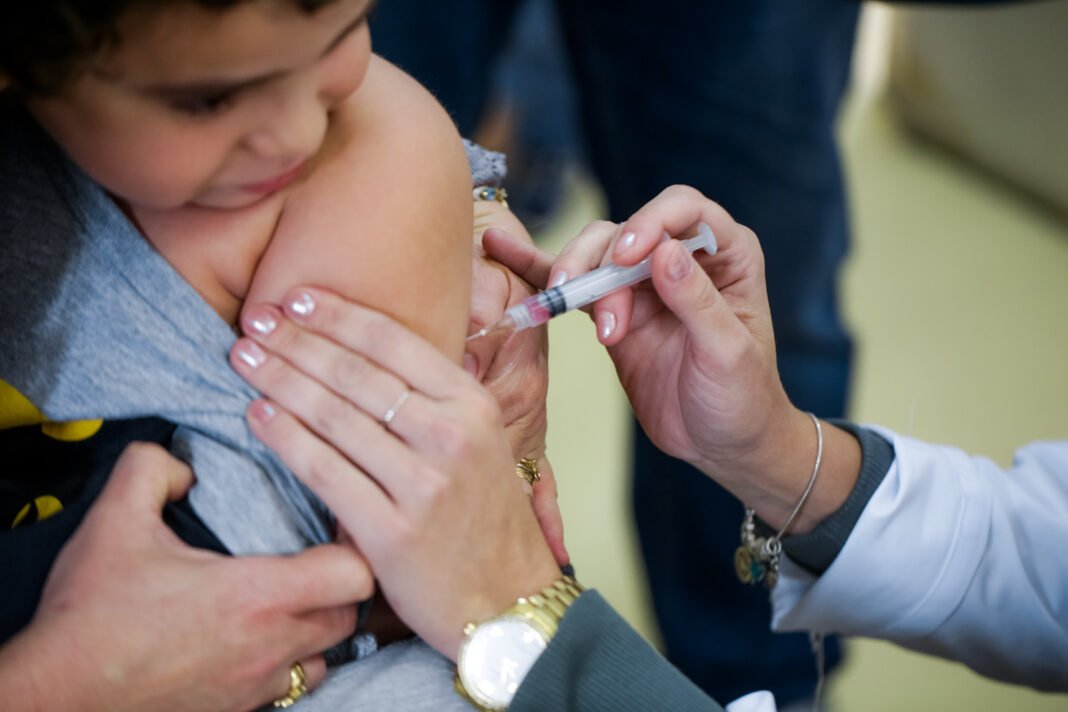
Measles is a highly infectious virus, but it can be prevented by vaccine. The measles, mumps and rubella vaccine, known as MMR, offers about 97 percent protection after two doses, and health officials have long pointed to vaccination as the most reliable way to stop outbreaks. The current spread has drawn fresh attention to vaccination rates in the communities where cases are concentrated. Active outbreaks have been reported in nearly every state.
If the country lost its elimination status, it would sit beside Canada and several countries in Europe and Asia where measles had been eliminated before returning. The designation turns on whether a disease is spreading without a break inside a country, and losing it would signal that measles is once again circulating in the United States. For now the outbreak shows no sign of easing, and cases keep being reported across the country.
The CDC put the national case count at 5,182 in its own data, while the Johns Hopkins tracker put it above 5,400. The two counts differ in method and timing, but both point the same way: measles is spreading in the United States at a scale not seen since 1991, and the toll of measles deaths for 2026 already stands at twice the figure for 2025.