


Florida’s dengue outbreak is growing rapidly as public health departments confirm locally-acquired cases of the mosquito-borne virus in Broward County. State epidemiologists are working with local clinics to scale up active surveillance and intercept community spread.
As local transmissions climb, emergency medicine physicians are warning residents that the virus presents a serious threat to public health across the region.
This spike in cases highlights a broader shift in domestic public health dynamics. Disease vectors historically confined to tropical regions are steadily adapting to subtropical climates in the southern United States.
Analysts indicate that high humidity, heavy rainfall, and rising temperatures have created an optimal environment for persistent transmission cycles to establish themselves within local communities.
Why Florida’s dengue outbreak is Expanding
Recent surveillance reports indicate that Florida’s dengue outbreak is the largest the continental United States has witnessed in several decades.
Both Miami-Dade and Broward counties have emerged as the epicenters of this localized spread, prompting municipal authorities to launch aggressive public information campaigns. Local clinics are reporting a steady increase in symptomatic patients seeking diagnostic testing.
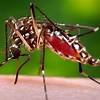
The primary vector responsible for this transmission cycle is the Aedes aegypti mosquito, an insect highly adapted to human habitats. These pests prefer to feed on humans.
They breed in remarkably small volumes of clean water. Consequently, suburban backyards, municipal parks, and residential developments provide the perfect breeding grounds.
- Locally-Acquired Cases: Infections contracted by individuals with no recent travel history.
- Severe Symptoms: Patients suffer from high fevers, painful rashes, and intense headaches.
- High-Risk Zones: Densely populated coastal areas present the highest risk of transmission.
Clinical Impacts and Patient Symptoms
For individuals contracting the virus, the clinical toll can be incredibly debilitating. One local resident described her sudden illness as a terrifying experience.
She explained that the muscle aches made it feel as though her bones were breaking. This classic description highlights why dengue is historically called breakbone fever.
While many cases remain mild, severe dengue can lead to life-threatening complications. Clinicians emphasize that early diagnosis is critical for managing symptoms effectively.
There is currently no specific antiviral cure available. Supportive medical care, including hydration and close monitoring, remains the standard treatment protocol.
State health officials maintain that Florida’s dengue outbreak is manageable if communities cooperate with local vector control districts. Field crews have increased larvicide treatments.
Pesticide spraying in affected neighborhoods helps reduce adult mosquito numbers. These measures are designed to disrupt the transmission chain before the virus becomes fully endemic.
Regional Response and Vector Management
Epidemiologists are closely studying how Florida’s dengue outbreak is shifting the domestic response to emerging infectious diseases. The steady rise in infections suggests traditional frameworks must evolve.
Federal researchers are collaborating with state universities to study mosquito behavior. They also track genetic variations in circulating virus strains.
In previous decades, the vast majority of cases diagnosed in American hospitals were imported by travelers. The transition to sustained local transmission represents a significant development.
This shift requires continuous public vigilance. It also demands sustained funding for local mosquito control districts to prevent the virus from spreading further.
In response, environmental scientists are monitoring whether local mosquito populations are developing insecticide resistance. Ensuring chemical controls remain effective is vital for public health.
Essential Preventative Measures for Residents
To lower their exposure risk, health departments advise residents to take proactive measures around properties. Eliminating standing water is the most effective way to prevent breeding.
Health authorities recommend that individuals adhere strictly to these defensive strategies:
- Drain Standing Water: Empty birdbaths, pet bowls, flower pots, and gutters weekly.
- Apply Certified Repellent: Use EPA-registered repellents containing DEET or picaridin.
- Wear Protective Clothing: Wear loose-fitting, long-sleeved shirts and long pants when outdoors.
- Secure Home Barriers: Repair torn window screens to keep mosquitoes out.
Looking forward, meteorological trends suggest that Florida’s dengue outbreak is likely to persist until regional temperatures drop significantly. State health departments intend to maintain active testing networks.
Public health agencies are also evaluating novel biological tools to control vector populations. Until these technologies are deployed, community participation in basic prevention remains the cornerstone of defense.
Coverage of Florida’s dengue outbreak is continues to evolve as more details become available.