


Bradford skin cancer waiting lists are plunging rapidly as a groundbreaking autonomous artificial intelligence technology is deployed across health clinics in the United Kingdom this month.
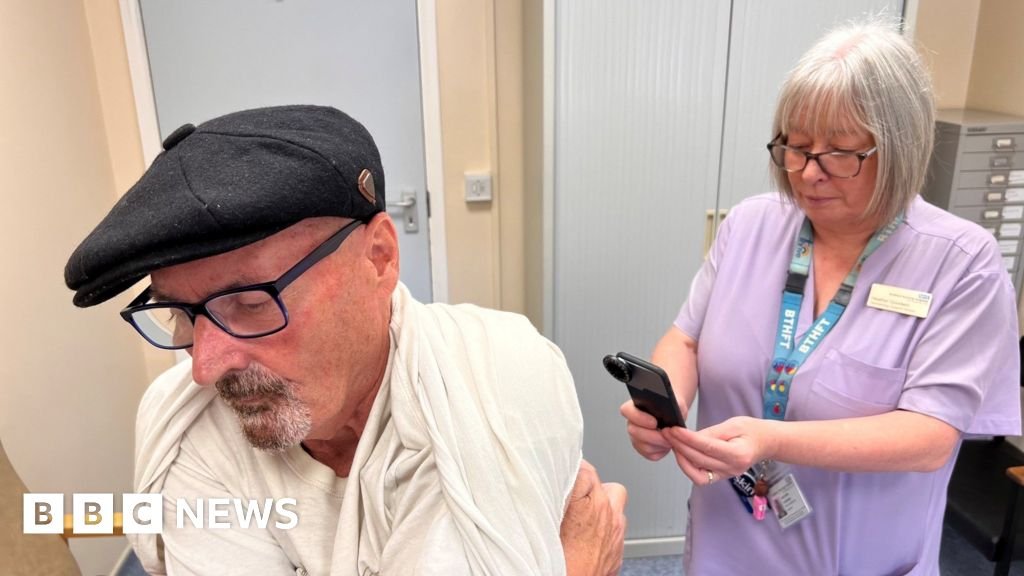
This medical integration aims to optimize patient triage and slash delays for critical oncology consultations.
By instantly analyzing suspicious moles, the new system helps identify urgent cases faster, offering a vital lifeline to thousands of high-risk patients who require immediate specialist intervention.
With public healthcare systems facing unprecedented post-pandemic backlogs, delayed diagnoses remain a critical challenge for dermatologists worldwide. Fast-tracking the detection process is essential for improving survival rates, as early-stage melanoma is highly treatable.
This digital transition represents a paradigm shift in clinical workflow management, turning artificial intelligence into an active tool for saving patient lives while relieving immense structural pressure on the National Health Service.
According to recent clinical data, the implementation of autonomous AI has successfully boosted patient intake capacity by approximately 30 percent. This dramatic improvement helps address the persistent challenges of Bradford skin cancer waiting lists by optimizing daily clinical pipelines.
By utilizing advanced convolutional neural networks and deep-learning foundation models, the AI system acts as an initial diagnostic filter. This technological integration allows clinics to instantly categorize low-risk skin lesions.
Consequently, dermatologists can redirect their focus toward complex cases that require immediate physical biopsies. The technology is already demonstrating a profound real-world impact across several pilot hospitals.
By streamlining the triage process, clinicians can manage their workloads more efficiently. Patients with benign conditions are reassured instantly, reducing overall anxiety.
This automated process drastically minimizes the need for unnecessary face-to-face clinical appointments. Consequently, healthcare providers can allocate scarce resources directly to high-priority cancer treatments.
- It frees up capacity for more than 8,500 additional dermatology appointments nationwide.
- It enables faster, highly structured pathways for high-risk urgent referrals.
- It reduces the administrative burden on specialized oncology and nursing teams.
- It delivers instant preliminary assessments that maintain high diagnostic accuracy.
Healthcare providers report that the system accurately filters out benign cases. This ensures that the Bradford skin cancer waiting times are dramatically minimized for those in critical need.
Furthermore, the shift from traditional medical imaging to advanced foundation AI models marks a major evolution. These highly sophisticated systems analyze vast databases of diverse skin pigments, improving diagnostic accuracy.
This capability ensures that patients of all backgrounds receive equitable and highly precise evaluations. As a result, clinical misdiagnoses are falling to historic lows.
Dermatology practices utilizing this tool report a significant drop in referral-to-treatment times. This allows patients to begin therapy weeks earlier than previously possible.
Medical staff also benefit from continuous digital feedback, which helps refine clinic workflow patterns. This collaborative loop keeps medical teams highly informed and efficient.
Shifting the Bradford Skin Cancer Waiting Landscape
The integration of autonomous systems highlights a broader global trend in modern healthcare digitization. Clinics adopting these tools are seeing immediate relief from patient bottlenecks.
Experts believe that utilizing clinical AI could eventually eliminate regional disparities in care. This development provides a blueprint for managing Bradford skin cancer waiting times more effectively in the future.
Furthermore, dermatologists emphasize that the technology does not replace human clinical judgment. Instead, it serves as a powerful diagnostic assistant.
By taking over routine screenings, the technology allows medical staff to dedicate more time to personalized oncology treatments. This balanced approach ensures high-quality patient care.
Additionally, the software integrates seamlessly with existing hospital electronic health records. This interoperability prevents data silos and enhances overall hospital communication.
Clinicians can access historical skin lesion images and compare changes over time with unmatched precision. This longitudinal tracking is vital for ongoing patient surveillance.
The success of this deployment has caught the attention of international health bodies. Many organizations are now assessing how these methods can be implemented in other regions.
Addressing the Bradford skin cancer waiting times serves as a critical test case for global clinical scalability. If successful, similar platforms could be deployed worldwide within the year.
As digital healthcare tools continue to mature, regulatory bodies are closely monitoring their long-term clinical safety. Ensuring ethical AI usage remains a top priority for developers and health authorities alike. Ongoing trials will continue to publish data, guiding the next generation of automated medical interventions.
Coverage of Bradford skin cancer waiting continues to evolve as more details become available.