
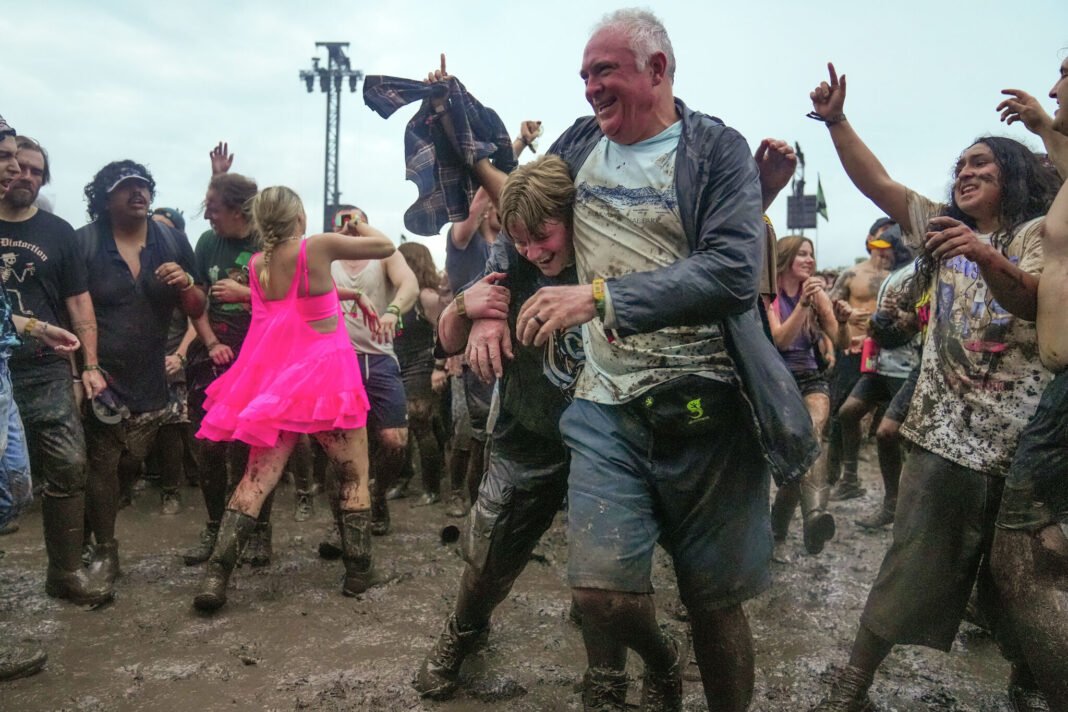


Who pays to fix Zilker Park is a central question for entertainment officials across the United States following heavy foot traffic and muddy conditions at recent events.
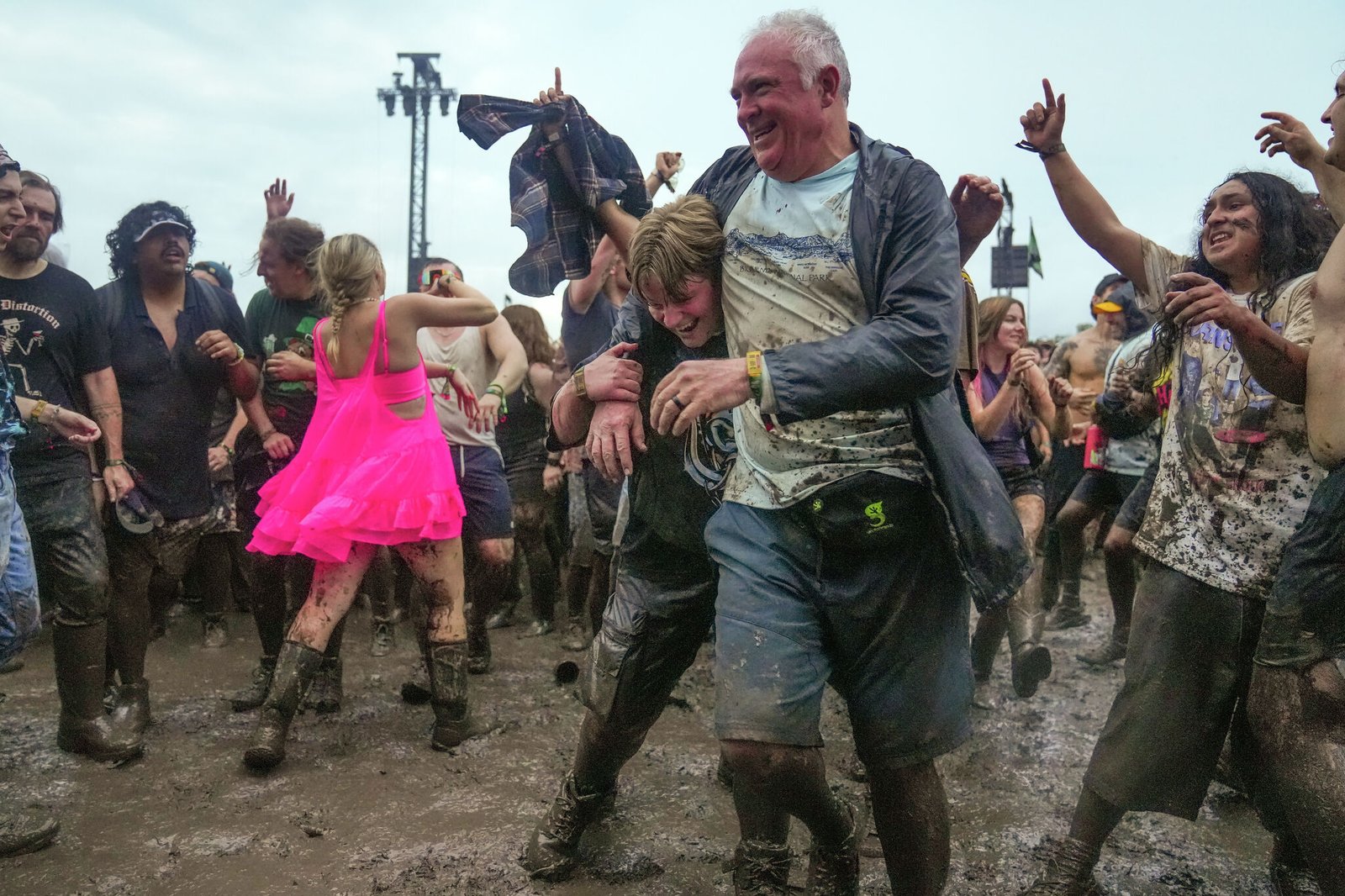
Local stakeholders and city administrators in Austin are actively addressing the extensive grounds care required after high-profile music gatherings conclude. The massive crowds and heavy equipment involved in modern festival production routinely leave municipal green spaces requiring substantial rehabilitation.
This recurring debate highlights the ongoing friction between large-scale entertainment promoters and urban park management teams. As public lands face increasing demands to host massive regional gatherings, taxpayers and city councils demand clear financial accountability.
Ensuring that public parks remain vibrant community assets without burdening local municipal budgets has become a primary policy objective.
The annual autumn concert series draws tens of thousands of visitors to the heart of the city, generating significant economic impact. However, the physical toll on the turf often earns the event nicknames like MudFest among local residents.
Festival organizers and municipal authorities must coordinate continuous maintenance efforts to protect the long-term health of the urban ecosystem.
Understanding Who Pays to Fix Festival Grounds
- Promoters maintain formal agreements with municipal authorities regarding site remediation.
- Event organizers pledge to leave the public green space in optimal condition.
- Specialized turf recovery crews are deployed immediately after crowds disperse.
Event organizers have publicly stated their absolute commitment to restoring the grounds thoroughly. Corporate representatives emphasize that their operational budgets include dedicated funds specifically designated for post-event turf repair and landscape recovery. City officials monitor these operations closely to ensure contractual obligations are fully met.
The financial model relies heavily on private promoter funding rather than direct municipal taxation. Event contracts usually require financial bonds or direct coverage of all restoration expenses incurred by the parks department.
This framework is designed to protect local taxpayers from absorbing the costs associated with commercial entertainment use of public property.
Local news coverage from regional outlets like the Austin American-Statesman and KVUE continues to track the multi-week recovery process. Photojournalists document the gradual transition of the festival grounds back into accessible recreational areas for local families and athletes.
Public interest remains high as residents observe the physical transformation of the park landscape.
Looking ahead, city leaders and entertainment coordinators will review current operational guidelines to minimize long-term turf damage. Future planning sessions will likely introduce stricter environmental protections and adjusted timelines for heavy equipment removal.
The ongoing dialogue ensures that large public celebrations can continue without permanently compromising vital urban park infrastructure.
Background and next steps
Who pays to fix Zilker Park after ACL? Here’s what happens next. Austin American-StatesmanWho pays to restore Zilker Park after ACL Fest? KVUEWill Austin’s biggest park recover after ACL ‘MudFest’? YahooACL Festival says it’s committed to leaving Zilker Park ‘better than we found it’ KXAN AustinOur favorite photos from Weekend 1 at ACL Fest KUT
The story remains in motion, and readers should watch for official updates as more facts are confirmed.
Public interest is likely to stay high while new details emerge from reporters and officials.
Early claims should be treated cautiously until primary sources corroborate them.
Coverage of Who pays to fix continues to evolve as more details become available.
Readers watching Who pays to fix should look for official updates in the coming hours.