
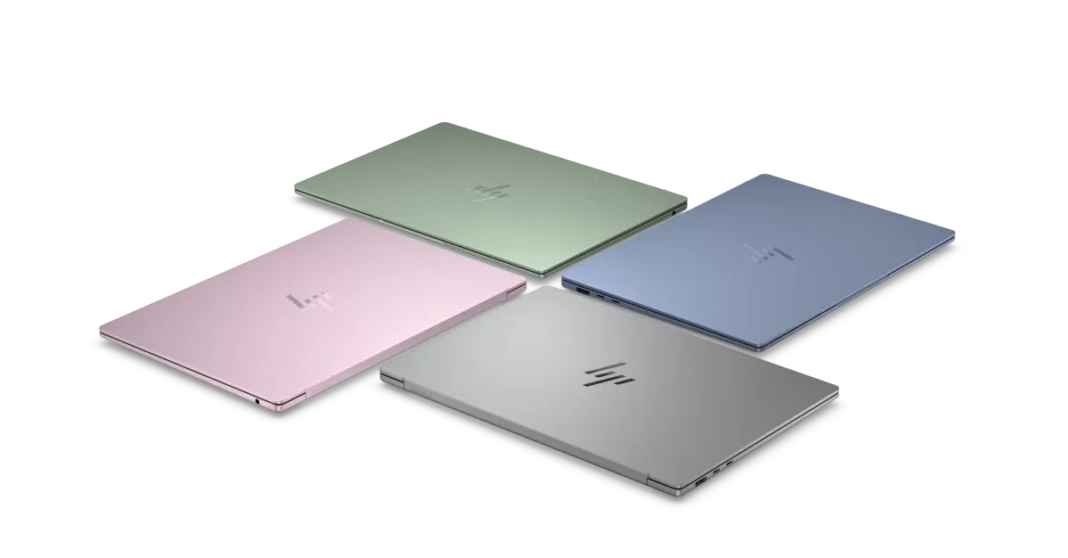


HP’s answer to the MacBook Neo has officially debuted in the United States, promising consumers a thinner, lighter computing experience featuring advanced OLED display technology.
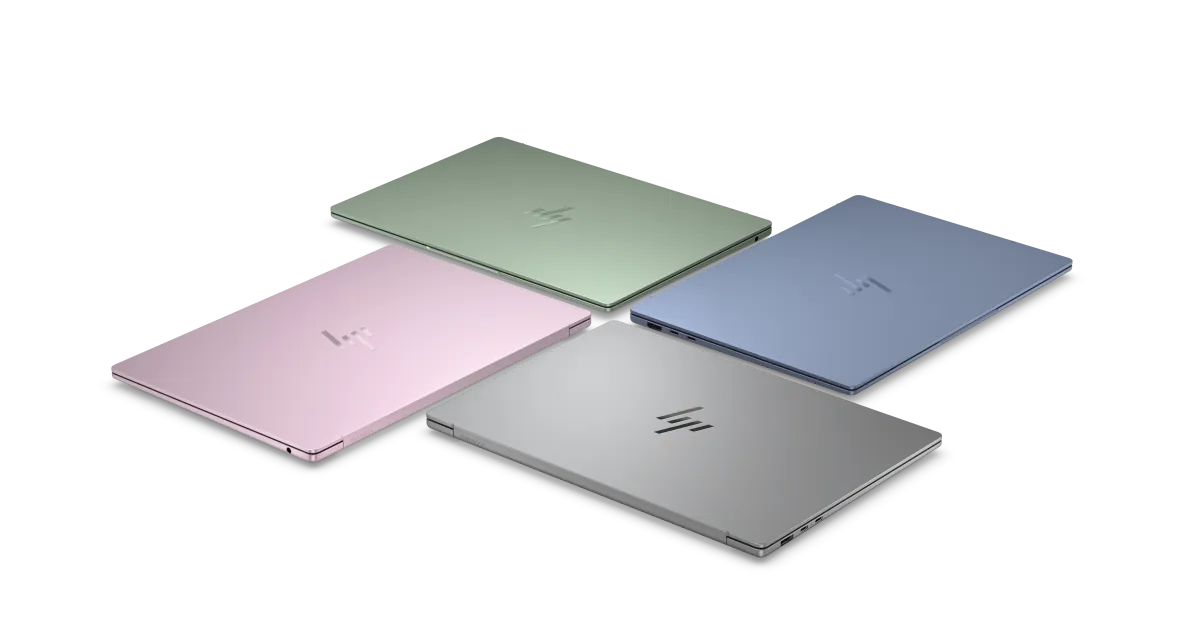
Unveiled to shake up the competitive consumer hardware market, this new release targets budget-conscious buyers seeking high-end specifications without paying a massive premium. The hardware roll-out marks a significant escalation in the ongoing rivalry within the portable computing sector.
Technology analysts across the country are closely watching this launch because it directly challenges established market norms. By introducing premium features to a lower price point, the manufacturer aims to capture a larger share of everyday users.
Consumer tech trends in the United States currently favor affordable yet powerful devices, making the timing of this release crucial for long-term sales.
HP’s answer to the Competition: Specs and Pricing
At the center of this product launch is the newly introduced OmniBook 5. Priced competitively at $699, this machine provides an accessible entry point for everyday buyers.
The hardware lineup is designed to rival existing lightweight laptops while undercutting them on cost. Industry observers note that integrating advanced screen technology into a mid-tier device changes expectations for the category.
- Features a vibrant OLED screen for superior color accuracy.
- Engineered to be thinner and lighter than previous generations.
- Priced aggressively at $699 to attract mainstream buyers.
In addition to the OmniBook 5, the broader ecosystem includes high-performance models like the OmniBook Ultra. Powered by advanced processors such as the Snapdragon X2 Plus, these variants cater to professionals seeking extended battery life and robust computing capabilities.
Reviewers have highlighted the seamless execution of Windows on Arm software, demonstrating substantial progress in modern mobile processing efficiency.
As hardware manufacturers continue to refine their product portfolios, consumer expectations for thin-and-light laptops are shifting rapidly. The introduction of high-end display panels into lower-priced tiers forces competitors to reevaluate their pricing strategies.
Industry experts expect further price adjustments and feature upgrades across the consumer tech landscape as brands vie for market dominance.
Market watchers anticipate that retail availability will expand further in the coming months. Supply chains are currently scaling up to meet projected consumer demand across major electronics distributors.
Buyers in the United States can expect widespread availability of these devices as holiday shopping seasons and back-to-school periods approach.
Background and next steps
HP’s answer to the MacBook Neo is thinner, lighter, and comes with OLED The VergeHP Brings Premium PC Experiences to More Consumers HPMacBook Neo’s Next Competitor Is HP’s $700 OmniBook 5 CNETHP’s Omnibook 5 Features An OLED Screen And Costs $699 EngadgetHP OmniBook Ultra (Snapdragon X2 Plus) review: I almost forgot this was a Windows on Arm laptop Digital Trends
The story remains in motion, and readers should watch for official updates as more facts are confirmed.
Public interest is likely to stay high while new details emerge from reporters and officials.
Early claims should be treated cautiously until primary sources corroborate them.
Coverage of HP’s answer to the continues to evolve as more details become available.
Readers watching HP’s answer to the should look for official updates in the coming hours.