


Spanish authorities have identified 66 of the 69 people killed in last week’s high-speed train collision near Urda, in the central province of Toledo, while efforts continue to identify the remaining victims and notify their families. The Spain train crash death toll remains provisionally at 69, according to information released on 2 November by the High Court of Justice of Castilla-La Mancha and reported by Spanish public broadcaster RTVE.
The latest figures mark progress in the Spain train crash forensic identification process that has involved fingerprint analysis and DNA testing. For families waiting for news, each identification brings confirmation, even as it confirms a loss. Authorities have worked through the process methodically, matching remains against records and samples provided by relatives.
Of the 66 identified victims, 54 were Spanish nationals and 12 were foreign citizens. The foreign victims included four Americans and one citizen each from Argentina, Canada, the Czech Republic, France, Japan, Mexico, Portugal and Tunisia. Authorities said the three remaining unidentified victims were also believed to be foreign nationals.
Spain train crash: how victims were identified
The Spain train crash identification process has relied on two principal methods: fingerprint analysis and DNA testing. By 2 November, investigators had identified 53 victims through fingerprints, while 13 identifications were completed using DNA analysis. The split shows how far fingerprint records alone could take the work, and where DNA testing was needed to finish it.
The work has involved Spain’s forensic medicine institutes in Toledo and Ciudad Real, the National Institute of Toxicology and the Civil Guard’s criminalistics service. Each body brought a different part of the process, from medical examination to laboratory analysis and criminalistics checks, and the coordination between them shaped how quickly identifications could be confirmed.
Authorities had notified the families of 60 identified victims. The remaining notifications were to be completed as quickly as possible, following the required procedures. Forty-seven bodies had been made available to relatives, according to the latest reported figures, allowing families to begin funeral arrangements.
Spain train crash: families still waiting
Some families who have been contacted want to travel to Spain to complete identification procedures in person. For relatives living abroad, that journey adds practical difficulty to an already painful process, including travel arrangements and time away from home while procedures are finished.
Three missing-person reports remained active, involving two Australian nationals and one Japanese national. Authorities have not established in the published update that these individuals correspond directly to the three victims still awaiting identification. That distinction matters for the families involved, since a missing-person report and an unidentified victim are not the same finding until the forensic work links them.
The identification of the final three victims will depend on the same methods used so far, with fingerprint and DNA results checked against records held in Spain and supplied from abroad. Updates on the Spain train crash identification work are expected to continue as the final checks are completed. Until those checks are complete, the families of the three will remain without the confirmation that others have now received.
Spain train crash: what happened near Urda
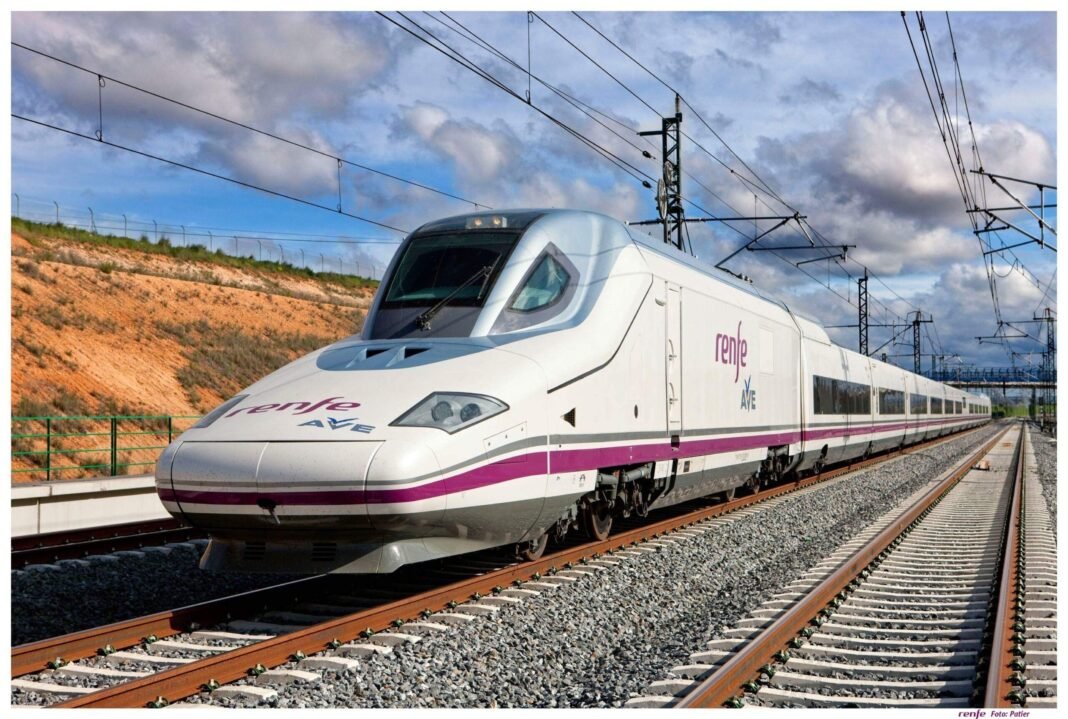
The crash occurred on 28 October near Urda, when a train operated by Spain’s state-owned Renfe collided with the rear of a stationary train operated by Iryo on the Madrid-Seville high-speed line. The collision involved two high-speed services on one of Spain’s busiest routes, and the scale of the casualties made it one of the country’s worst rail disasters in recent years.
The focus of the official updates so far has been identification and notification, rather than the causes of the collision. Investigators will need to establish how a moving train came to strike a stationary train on the same line, but the published update of 2 November dealt with the human toll and the forensic process, not with findings on cause.
For now, the numbers tell the state of the Spain train crash process: 66 identified, three still to be identified, 60 families notified and 47 bodies released to relatives. The Spain train crash remains, for the families still waiting, an unfinished process rather than a closed case.