
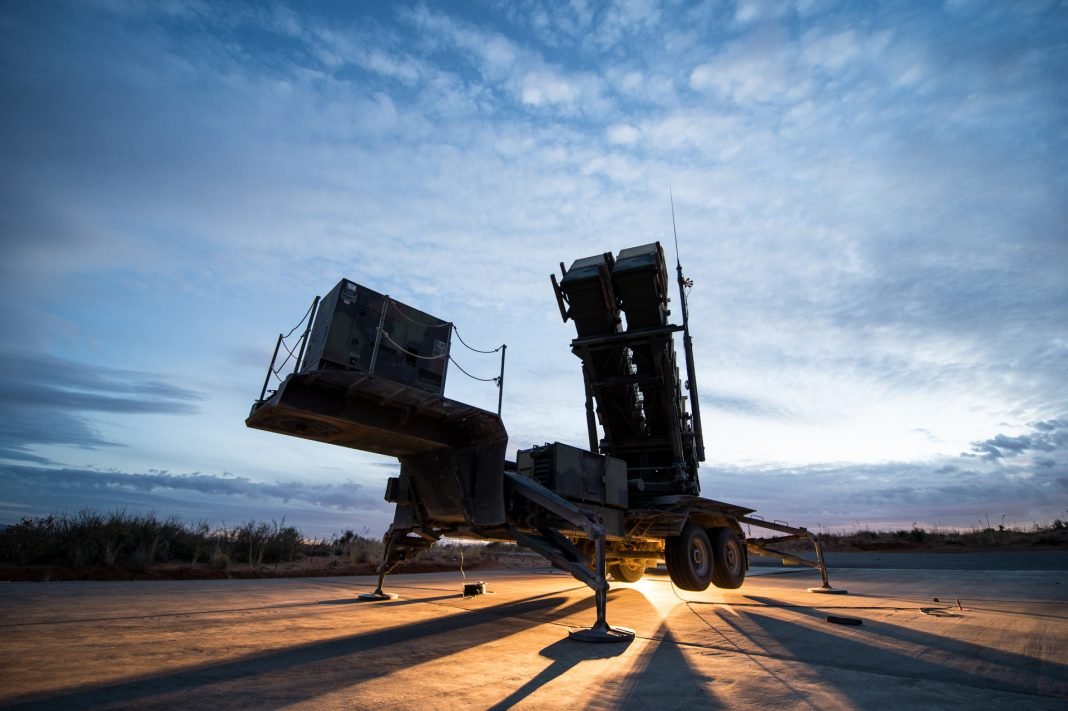


Ukraine’s stockpile of Patriot interceptors has fallen to critically low levels, leaving the country dangerously exposed to Russian ballistic missile attacks, The Washington Post reported Friday. Citing a Ukrainian official and another person familiar with the matter, the Post said the country has just two interceptor missiles remaining for its U.S.-made Patriot air defense systems.
CNN separately reported that Ukraine has effectively run out of the missiles. A source familiar with the situation told CNN that almost all the ballistic missiles from the last strike were not intercepted due to lack of the interceptor missiles, referring to a Russian overnight attack into Wednesday that struck three power plants in Kyiv and energy infrastructure in Kharkiv, killing four people and wounding 25 in the capital.
Ukraine’s Air Force said it intercepted four Russian ballistic missiles during the attack — a figure suggesting only a small number of interceptors remained available. Patriot systems are among the few air defense weapons capable of reliably intercepting Russian ballistic missiles.
The Post’s reporting matches warnings Kyiv has issued for months. Global demand for the missiles has surged as conflicts in Ukraine and the Middle East burned through stockpiles, leaving manufacturers struggling to keep pace with orders from multiple governments.
How Low Is Ukraine’s Stock of Patriot Interceptors?
The shortage did not arrive overnight. President Volodymyr Zelensky has repeatedly warned that Ukraine’s supply of Patriot interceptors was running dangerously low. In August, when CNN was given access to a Patriot battery in Ukraine, officials said the country had nearly exhausted its supply — and Zelensky said Kyiv held only about one-tenth of the interceptors it urgently needed.
Zelensky said he was spending much of his time calling allies in an effort to secure additional systems and missiles, and he has sought a U.S. license to manufacture Patriot missiles inside Ukraine. Zelensky said last month that President Donald Trump had approved the request, but Trump remained noncommittal and no license has materialized, CNN reported.
The manufacturing license dispute has added a political edge to a military problem. Zelensky has framed domestic production as the only durable answer to the shortage, while Washington has hesitated — leaving Ukraine dependent on shipments that arrive too slowly and in too small a number.
Why Patriot Interceptors Are So Hard to Replace
Patriot interceptors are expensive, complex weapons with long production timelines, and global supplies are extremely depleted after heavy use in the conflicts in Ukraine and the Middle East. The United States and its European allies have faced shortages of the missiles for months.
With Patriot interceptors this scarce, each battery can only defend a limited area, forcing Ukrainian commanders into brutal choices about which cities and power plants get coverage. Some targets will simply go undefended.
That scarcity is what makes the current moment so dangerous for Ukraine. Ballistic missiles, roughly the size of a large tractor-trailer, can only be reliably stopped by systems like the Patriot — and with the cupboard nearly bare, each new Russian salvo threatens critical energy infrastructure across the country as winter approaches.
The Political Fight Over Patriot Interceptors
The shortage has intensified tensions between Zelensky and Trump. Washington has been pressing Kyiv to halt attacks on Russian energy infrastructure, and the dispute over Patriot interceptors has become entangled in that broader friction.
Zelensky has argued that Ukraine cannot be asked to stop striking Russian refineries while its own cities go undefended. Without fresh Patriot interceptors, Ukrainian officials warn, the coming winter could bring the most punishing phase of Russia’s air campaign yet.
For now, Kyiv is stretching its last interceptors across its most critical sites, hoping allies can close the gap before the next major Russian strike.
Whether new supplies arrive in time may determine how much of Ukraine’s power grid survives the winter. The Post’s account, if confirmed by further strikes, would mark one of the darkest moments for Ukrainian air defense since the full-scale invasion began in 2022.