


Hidden signals in sleep are now being used by researchers across the United States to predict long-term cardiovascular outcomes through advanced deep learning models.
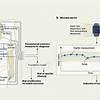
This breakthrough, highlighted in recent scientific literature from Nature, transforms standard overnight assessments into powerful diagnostic tools for preventative medicine.
Public health experts note that analyzing autonomic nervous system activity during rest unlocks critical insights previously missed by traditional clinical evaluations.
The integration of modern computational algorithms into routine diagnostic procedures marks a significant evolution in how medical professionals assess vulnerability to heart disease.
Medical technology has advanced rapidly, allowing researchers to evaluate electrocardiogram recordings gathered during standard overnight testing. By leveraging deep learning architectures, scientists can automatically screen vast amounts of physiological data without requiring additional patient procedures or invasive testing protocols.
This capability addresses a major gap in cardiac risk assessment, providing a non-invasive pathway to identify high-risk individuals early.
Hidden signals in sleep analyzed by AI
Artificial intelligence models are uniquely equipped to process complex waveforms generated during nighttime monitoring sessions. These algorithms examine subtle variations in heart rate and rhythm that occur during different stages of rest.
- Advanced deep learning models process ECG data.
- Algorithms evaluate autonomic nervous system fluctuations.
- Systems identify patterns associated with adverse cardiovascular outcomes.
The National Institutes of Health and various academic groups have emphasized the clinical utility of these computational tools. By converting raw physiological data into actionable predictions, healthcare providers gain a clearer picture of an individual’s future cardiac health trajectory.
Traditional diagnostic approaches often rely on isolated daytime measurements that fail to capture dynamic physiological shifts occurring over many hours. Continuous overnight monitoring provides a comprehensive window into cardiovascular resilience under resting conditions.
Recognizing hidden signals in sleep allows clinicians to observe autonomic function when the body is free from daytime stressors and conscious influences.
Researchers emphasize that these methodologies are currently being integrated into broader epidemiological studies to validate their predictive accuracy across diverse patient demographics. The transition from experimental algorithms to standardized clinical tools requires rigorous testing and multi-center validation.
Health authorities continue to monitor these developments closely as data accumulation expands.
Future clinical implementations will likely depend on the seamless integration of AI software into existing hospital and sleep clinic infrastructure. As software developers refine these predictive platforms, medical teams anticipate broader adoption in routine cardiology workflows.
Continued research efforts will determine how effectively these computational insights translate into improved patient management and reduced cardiovascular event rates over time.
Background and next steps
Hidden signals in sleep can predict future health NatureDeep learning model using ECGs during sleep studies can predict cardiovascular outcomes National Institutes of Health (NIH) | (.gov)AI models use sleep studies to predict future cardiovascular risks Open Access GovernmentECG Data from Sleep Studies Predict Long-Term Cardiac Risk Respiratory Therapy
The story remains in motion, and readers should watch for official updates as more facts are confirmed.
Public interest is likely to stay high while new details emerge from reporters and officials.
Early claims should be treated cautiously until primary sources corroborate them.
Coverage of Hidden signals in sleep continues to evolve as more details become available.