
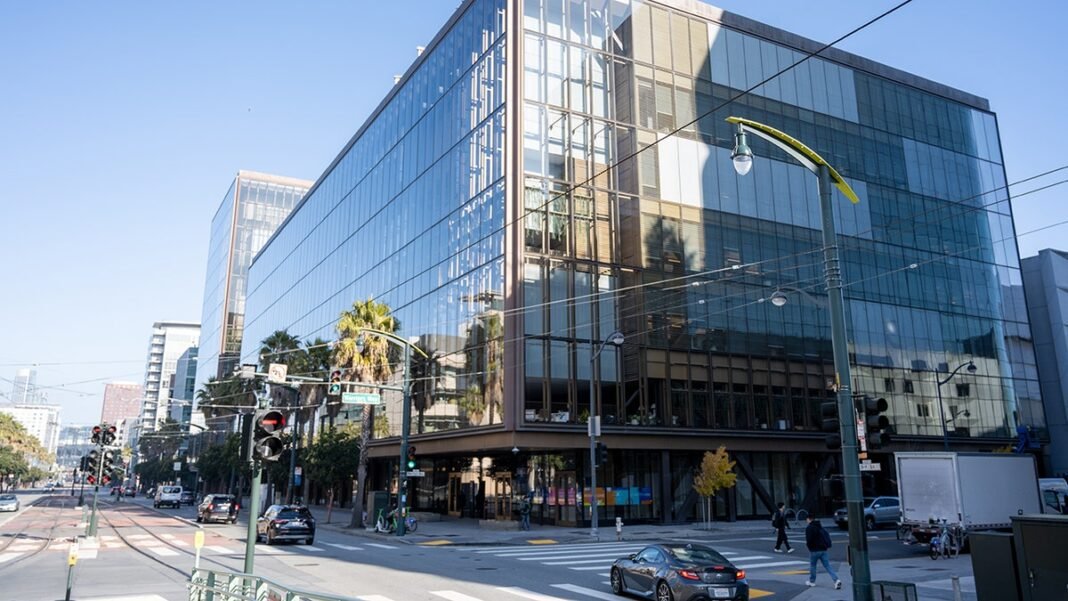


OpenAI Saudi bugging allegations took a dramatic turn on October 19, 2026, when U.S. prosecutors said a former OpenAI engineer accused of planting a recording device in an executive conference room had received considerable support from the Saudi government. The claims appeared in a court filing as prosecutors asked a federal judge to keep the defendant in custody to await trial, arguing he is a flight risk.
The defendant, Abdulrahman Alfozan, 35, a Saudi national employed as an OpenAI engineer, was charged after federal agents accused him of installing a hidden audio recording device in a conference room at OpenAI’s San Francisco offices. A still image from surveillance video, included in the charging documents, showed a man looking behind a television where the device had been placed on October 5, 2026. The FBI arrested Alfozan on October 9.
According to the court filing, first reported by the Financial Times and citing the U.S. attorney’s office in San Francisco, Alfozan exchanged frequent WhatsApp messages in 2025 and 2026 with an unnamed member of the Saudi royal family. Prosecutors said those messages included efforts to recruit him to an artificial intelligence initiative in the Kingdom.
In a May exchange cited in the filing, the royal wrote that Saudi Arabia needed him more than the United States, to which Alfozan allegedly replied, “100.” Prosecutors said the royal repeatedly tried to recruit Alfozan for the Saudi AI initiative and asked when he planned to leave OpenAI. Alfozan indicated he would not leave until his stock vested, according to the filing.
OpenAI Saudi bugging filing details family travel paid by Saudi official
The OpenAI Saudi bugging filing went further, alleging that a Saudi military official paid for one-way travel for Alfozan’s family after his arrest. Prosecutors said that on October 10, the day after the arrest, Alfozan’s wife and son flew from San Francisco to Qatar on a one-way business-class ticket booked and paid for by the official.
The pair departed roughly 36 hours after the arrest, prosecutors said, citing the travel arrangements as evidence that Alfozan could receive substantial assistance from the Saudi government if released. The filing noted that Saudi Arabia has no extradition treaty with the United States and could provide extraordinary travel assistance.
Prosecutors also said the most recent WhatsApp message between Alfozan and the royal family member was on October 5, four days before his arrest. They alleged that Alfozan had one-way tickets from San Francisco to Riyadh for October 12 and was scheduled to begin two months of parental leave from OpenAI at the time of his arrest.
The case highlights security challenges around sensitive AI research as companies and governments compete fiercely for an edge in the technology. Prosecutors said the investigation is continuing and more charges may follow. Alfozan has been charged with using an electronic device to intercept oral communications.
OpenAI Saudi bugging defense disputes the government’s claims
William Pernik, a lawyer for Alfozan, has pushed back on the allegations. Pernik told the Financial Times last week that the allegations appeared wholly out of character and that he would investigate the government’s evidence aggressively. He has said he will contest the charges and the detention.
Pernik sought Alfozan’s release on conditions including electronic monitoring and surrender of his passport. He argued that Alfozan has lived in the United States for 15 years, has applied for citizenship, and that the Saudi family trip was booked before the investigation began for family and immigration reasons.
Prosecutors countered that Alfozan has substantial financial means and what they described as considerable backing from a foreign government. They pointed to his searches about planned OpenAI visits to Saudi Arabia, an upcoming visit by the Saudi ministry, and a meeting labeled “HUMAIN x MCIT @OpenAI,” as well as his application to the Mohammed bin Salman Foundation’s “2030 Leaders” program.
The Saudi government media office did not immediately respond to a request for comment. The OpenAI Saudi bugging case now moves to a detention hearing, where a federal judge will decide whether Alfozan, a lawful permanent resident, must remain in U.S. custody until trial.