


Bird flu Washington health officials have confirmed the state’s first human case of highly pathogenic avian influenza, after a Yakima County agricultural worker tested positive for the H5N1 strain following direct exposure to infected dairy cattle.
The case, announced on 15 October by the Yakima Health District and the Washington State Department of Health and reported by KING5, is the first human case of H5N1 reported in the United States in 2026, following a surge of cases in 2024 and 2025 linked to exposures among dairy and poultry workers.
The patient was exposed to two dairy cattle herds also infected with the virus. Health officials said the individual was not experiencing severe illness and had not been hospitalised. They are currently isolating at home, and anyone who was in close contact with them is being contacted and asked to monitor themselves for symptoms.
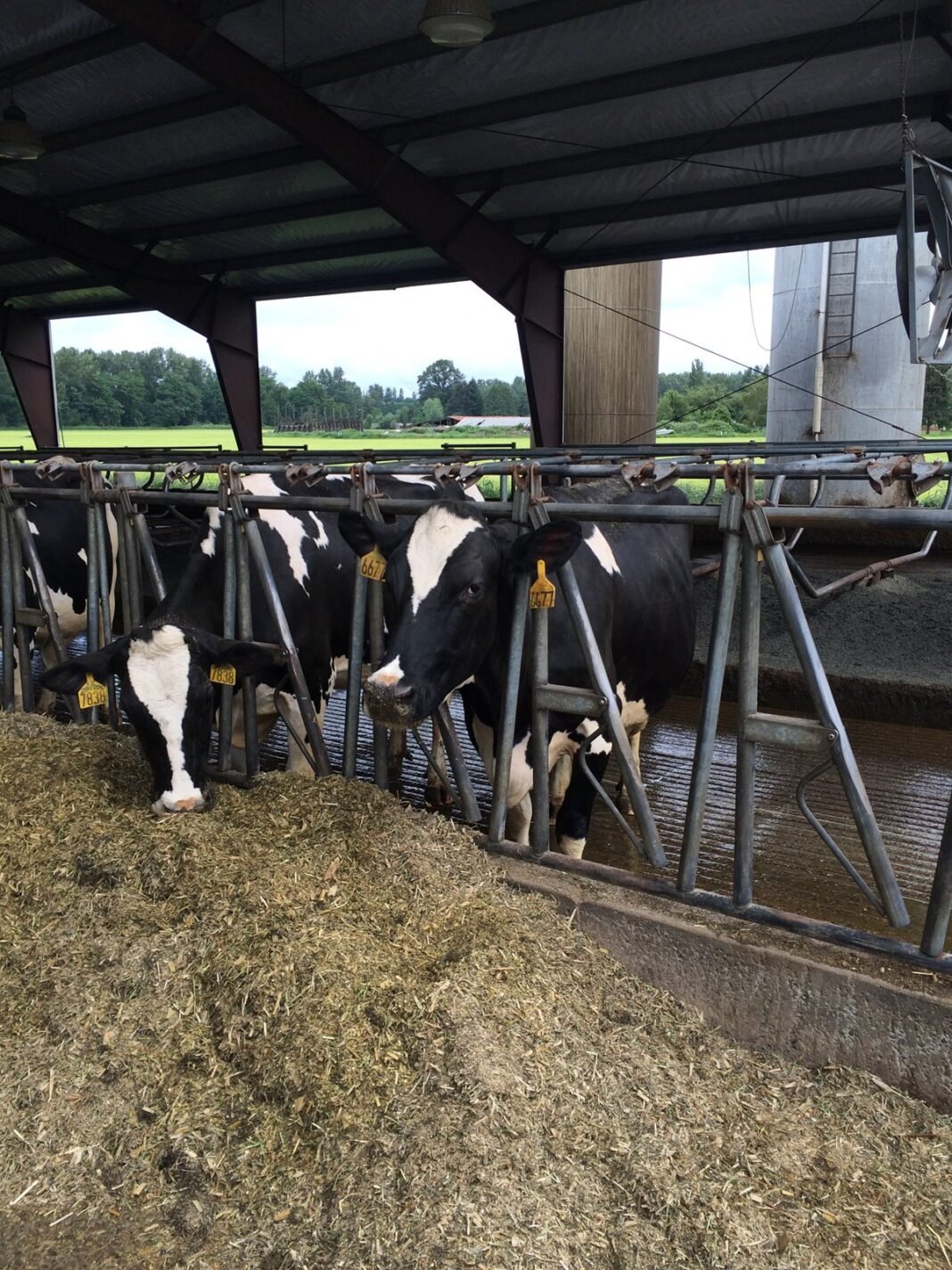
The human case followed the detection of highly pathogenic avian influenza H5N1 in dairy cattle on two Yakima County farms earlier this month. Those detections represented the first known instances of the virus in Washington dairy cattle, ending a stretch in which more than 7,000 state surveillance tests had returned negative results over a two-year period.
The Washington State Department of Agriculture has placed both farms under quarantine and put biosecurity measures in place to stop the virus spreading. Veterinarians are treating the sick cows, and state staff have begun on-farm investigations and additional testing.
How the bird flu Washington case unfolded
The timeline moved quickly. The virus was found in the two dairy herds on 8 October, and the human infection was confirmed a week later. Washington State Veterinarian Amber Itle has asked farms to strengthen biosecurity and report any signs of illness in their animals quickly.
Dave Atteberry, health officer at the Yakima Health District, said officials are working closely with public health partners to follow up with people who had close contact with the patient. Close contacts will be monitored for symptoms for 14 days after their last exposure, and officials want to ensure they know what to watch for and can access testing and treatment if needed.
The district continues to coordinate with state and federal public health partners to provide guidance and resources for exposed individuals, including connecting affected dairies with appropriate personal protective equipment for their workers.
Avian influenza, commonly called bird flu, is caused by influenza viruses that primarily circulate among wild birds but can also infect other animals, including poultry and dairy cattle. Most human infections have occurred after close or prolonged contact with infected animals or environments contaminated with the virus, entering through the eyes, nose or mouth.
What the bird flu Washington case means
The case adds to a growing national picture. The United States has recorded 73 human bird flu infections caused by any H5 strain since the start of 2024, along with two deaths. The first reported human H5N1 case in the country was detected in April 2022 in a Colorado poultry worker exposed to infected birds.
Health officials in Yakima County said the risk to the general public from bird flu remains low. Human-to-human transmission is extremely rare and has never been documented in the United States. People at greater risk include dairy workers and others who have close or prolonged contact with infected animals or contaminated environments.
The severity of illness from avian influenza can range from mild to serious and potentially life-threatening, which is why officials are moving quickly on contact tracing and monitoring even though this patient is not seriously ill.
The H5N1 strain is highly transmissible among animals but is not known to spread between humans. Experts say sustained human-to-human transmission would be needed for the virus to trigger a wider outbreak, and there is currently no evidence of that happening.
For dairy communities, the case is a reminder of how quickly the virus can move from herds to the people who work with them. Officials are urging farmworkers who develop symptoms after potential exposure to contact a health care provider promptly, and farms to treat biosecurity as an ongoing discipline rather than a one-off response.