
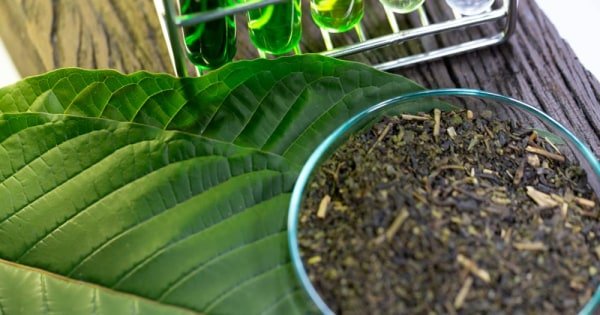


The American Medical Association has urged the Food and Drug Administration to uphold rigorous, evidence based standards for botanical drug products. The association said products marketed with unproven health claims can pose serious risks when their safety and efficacy have not been established. The call came in a letter to Food and Drug Administration Deputy Commissioner Grace R. Graham, published by the association on 30 October 2026. Botanical products in the letter include kratom, cannabis and other plant derived substances.
The association said botanical products should face the same scrutiny as other drugs. Growing consumer use, anecdotal claims and marketing by social media influencers should not circumvent the approval process, it said. Nor should they replace the requirement for high quality clinical trials and postmarket safety monitoring. The letter urged the agency to ensure that botanical products and their derivatives demonstrate safety and efficacy through clinical trials before they are marketed or prescribed to treat medical conditions.
Why botanical products drew the warning
Botanical manufacturers are developing increasingly potent products, the association said, in forms that include gummies, powders, oils and injections. American Medical Association President Willie Underwood III said consumers are becoming, in effect, test subjects in real world use, with tragic consequences that include dependence, substance use disorders, overdose and death. He said: “Calling something ‘natural’ doesn’t make it safe. We need science, not social media hype, to determine what belongs in our medicine cabinets.”
The warning reflects a change in the market as well as in the products. Items are sold in many retail settings and online, and claims about them often travel through short videos and posts rather than through medical literature. The association said popularity and unsubstantiated claims should not fast track a product, and it urged the agency to maintain established scientific standards.
That position also covers derivatives and concentrated forms. A plant derived substance can be processed into a far stronger product than the plant itself, and the association said the regulatory test should follow the product as sold, not the reputation of the plant it came from. The letter does not call for a ban on research. It supports research to identify potential therapeutic benefits and safety concerns, but it cautions against bypassing established drug approval standards in the meantime.
Botanical policy on kratom and cannabis
The association commended the safety assessments by the Food and Drug Administration that informed the Drug Enforcement Administration emergency scheduling of three kratom related compounds in August 2026. That step, it said, showed the value of safety assessment before a product spreads widely. The association has also addressed kratom separately in recent policy. At its annual meeting in June 2026, it expanded its policy on kratom products to highlight potential harms to children and adolescents and concerns about concentrated 7-hydroxymitragynine, known as 7-OH, a potent opioid like compound found naturally only in trace amounts in the kratom plant.
That June policy called for a ban on the sale, distribution or marketing of 7-OH products and similar derivatives. It also urged the Food and Drug Administration and state legislatures to classify 7-OH kratom products as adulterated or misbranded when sold in child friendly forms, and to prohibit their availability in stores and online platforms accessible to minors. The association said safety and efficacy should be determined through rigorous research and clinical trials.
On cannabis, association policy supports well controlled clinical research to understand potential medical uses and short term and long term risks. The October letter applies the same test: research can identify benefits and harms, but marketing a product as a treatment still requires trial evidence. The distinction matters for products that sit between food, supplement and drug claims. A botanical product sold with a health claim, the association argued, should be judged as a drug product, with the trials and monitoring that judgment requires.
What the botanical letter asks the FDA to do
The letter asks the agency to hold the line on three points. First, botanical products and derivatives should demonstrate safety and efficacy through clinical trials before marketing or prescribing for medical conditions. Second, high quality trials and postmarket safety monitoring should not be replaced by anecdotal reports or influencer marketing. Third, the agency should resist fast tracking based on popularity or unsubstantiated claims. Those points repeat a single test across product types: evidence first, market access second.
The association did not, in its summary of the letter, name a specific product for removal or a specific deadline for agency action. It described the letter as a statement of standards rather than a complaint about one brand. The Food and Drug Administration has not, in the association summary, published a response, and the full letter is available as a PDF through the association press centre.