
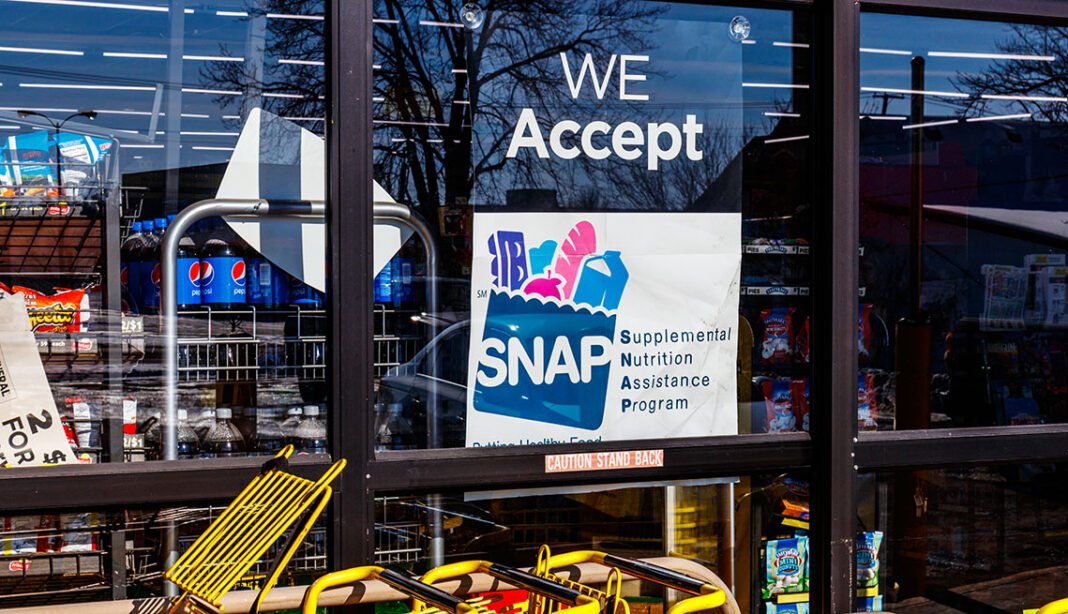


SNAP benefits were not issued on 1 November as the federal government shutdown entered its second month, leaving about 42 million people without the food assistance payment expected at the start of the month. The United States Department of Agriculture, which runs the Supplemental Nutrition Assistance Program, had told states to suspend November allotments until Congress provided funding. Its website notice put the position in blunt terms, saying the well had run dry and that no benefits would be issued on 1 November.
The shutdown began on 1 October, when Congress failed to pass funding bills for the fiscal year that started that day or a continuing resolution to keep federal programmes running. By 1 November it had reached day 32. SNAP is one of the largest programmes caught in the lapse. It provides food assistance to people with low incomes, about one in eight people in the United States. October benefits had already been paid, and people could still spend any balance left on their electronic benefit transfer cards, but no new November money arrived on schedule.
Two federal judges ruled on 31 October that the administration had to act. In Boston, Judge Indira Talwani ruled that the refusal to use a contingency fund was contrary to law and gave the USDA until Monday, 3 November, to present a plan to issue at least partial payments. A second federal judge in Rhode Island issued a temporary restraining order covering the same benefits. The rulings came after states sued the administration, arguing that a contingency fund approved by Congress for a lapse in funding should be used to cover November payments.
SNAP contingency fund at the centre of the case
The size of the contingency fund was a central point in the dispute. Reports of the litigation put the fund at roughly 5 billion dollars, while a full month of SNAP costs between 8.5 billion and 9 billion dollars. On those figures, the fund alone could cover only part of a month, around 60 percent of November benefits.
A memo from the USDA seen by Reuters said contingency funds were not legally available to cover regular benefits and would be held back for natural disasters and other emergencies. The memo cited a storm named Melissa, which had strengthened into a major hurricane, as an example of why money had to be kept ready for a fast response. It also said the department would not reimburse states that paid benefits themselves. Virginia declared a state of emergency to free up funds for November benefits, according to the same reporting.
SNAP households face a gap in November spending
The average SNAP benefit is about 190 dollars per person per month. For households that rely on the payment for weekly shopping, a missed month means a gap that food banks and local charities cannot fill on their own. State agencies had warned recipients in advance. The USDA and state agencies said the suspension was not a cancellation of the programme and that eligibility would remain in place, with missed benefits expected to be paid once funding was restored, though no date was given.
Other assistance programmes faced the same 1 November pressure. The National Low Income Housing Coalition said 1 November was the first day millions of households receiving SNAP or the Low Income Home Energy Assistance Program would not receive their benefits. The Special Supplemental Nutrition Program for Women, Infants, and Children, known as WIC, also faced a funding deadline after temporary emergency funds kept it running only through 31 October. New work reporting requirements for SNAP also took effect on 1 November, under the One Big Beautiful Bill Act passed in July.
SNAP payment plan due on 3 November
The next step in the court case falls on 3 November, when the USDA must present its plan to the Boston court. The plan will have to explain how at least partial payments can be issued, and the court will then decide whether that plan meets the order. Recipients will not see money simply because a plan has been filed, because states need processing time to load benefits onto cards. Payment timing will depend on what the court accepts and how quickly states act.
The wider shutdown remained unresolved on 1 November. The administration blamed Democrats in the Senate for refusing a stopgap spending bill, while Democrats said they would not agree to reopen the government until Republicans negotiated on extending expiring subsidies under the Affordable Care Act. Open enrolment for 2026 health coverage also began on 1 November, so SNAP households facing a food assistance gap were also facing higher premiums without an extension of those subsidies. For now, the court orders gave recipients a date to watch, 3 November, but no payment had yet reached their cards.