


Indiana measles cases have jumped sharply, with 31 new infections reported over three days taking the state’s total for 2026 to 97. The Indiana Department of Health confirmed the total as of October 30, with LaGrange County hardest hit at 22 cases. The rise was first reported by WSBT and reflects a fast moving outbreak in the north-east of the state.
LaGrange County’s count more than doubled in a single week, rising from 10 cases earlier in the week to 22. Elkhart County recorded two new cases, taking its total to three for the year. The state’s county table also lists Adams County at 17 cases, Wayne County at 16, and Miami County at 10, with smaller totals in Allen, DeKalb, Parke, Switzerland and several other counties.
Health officials say a significant number of Indiana measles infections are occurring in people who are not vaccinated. WSBT reporting pointed to declining vaccination rates for the measles, mumps and rubella vaccine as a contributing factor in the increase. The state health department has urged clinicians to watch for additional cases and to report suspected measles immediately.
Nationally, the picture is worse. The Centers for Disease Control and Prevention confirmed 264 new cases across the United States in the past seven days, raising the national total to 4,852 cases, by far the highest yearly total in 35 years. That national count marks the 12th straight week of triple-digit weekly increases, and the CDC has logged 43 measles outbreaks across the country so far this year.
How Indiana measles spread so fast
Measles is one of the most contagious diseases known. It is caused by a virus that spreads through the air when an infected person breathes, coughs, sneezes or talks, and the virus can stay alive in the air for up to two hours. If one person has measles, up to nine out of ten people nearby will become infected if they are not protected.
People can spread Indiana measles from four days before a rash appears through four days after the rash starts. Most people start to feel sick 10 to 12 days after being around someone with measles, and the rash appears a few days after that. Early symptoms include a runny nose, cough, tiredness, loss of appetite, fever, spots inside the mouth that look like grains of salt, and conjunctivitis, or pink eye. Around the fourth day of illness, the fever often rises above 101 degrees Fahrenheit and a blotchy red rash appears on the face or near the hairline, spreading downward across the body.
Who is most at risk from Indiana measles
Children under five and people with weakened immune systems are more likely to develop complications or die from Indiana measles. Pregnant women who get measles face a higher risk of miscarriage and early delivery. In some cases measles causes pneumonia, or inflammation of the lungs, and encephalitis, or swelling of the brain, and it can be fatal in young children.
The state’s more detailed Indiana measles breakdown, current through October 27 when the total stood at 66, shows 15 people hospitalised, 39 not hospitalised, and 12 with unknown hospitalisation status. Of those 66 patients, 64 were unvaccinated or had unknown vaccination status, and two were vaccinated. Those figures describe the earlier, smaller total, and they will change as the newer cases are classified.
What to do about Indiana measles exposure
Health officials advise anyone who has been near someone with Indiana measles and has not been vaccinated to call a doctor or the health department right away, even if they feel well. There may be ways to keep them from getting sick, but the window for post-exposure vaccination is short. People who think they have measles should call a healthcare facility before arriving, so staff can arrange airborne precautions, including an isolation room and N95 respirators for workers without evidence of immunity.
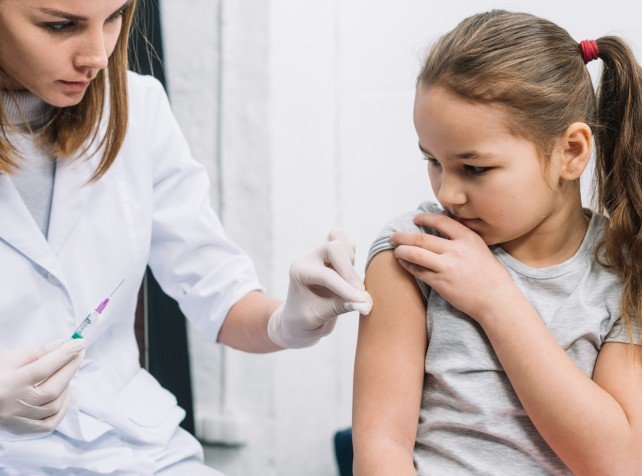
The most effective protection against Indiana measles remains the MMR vaccine, given in two doses, usually with the first dose at 12 to 15 months and the second at 4 to 6 years. Two doses should provide lifelong protection. MMR vaccination can also be given to children as young as six months if they are at higher risk, for example when travelling internationally or living in an area with an outbreak, although those children still need two further doses on the routine schedule.
Indiana updates its county table on weekdays, and the figures are provisional and subject to change. The jump from 66 cases on October 27 to 97 on October 30 shows how quickly the picture can move, and health officials expect further updates this week.