
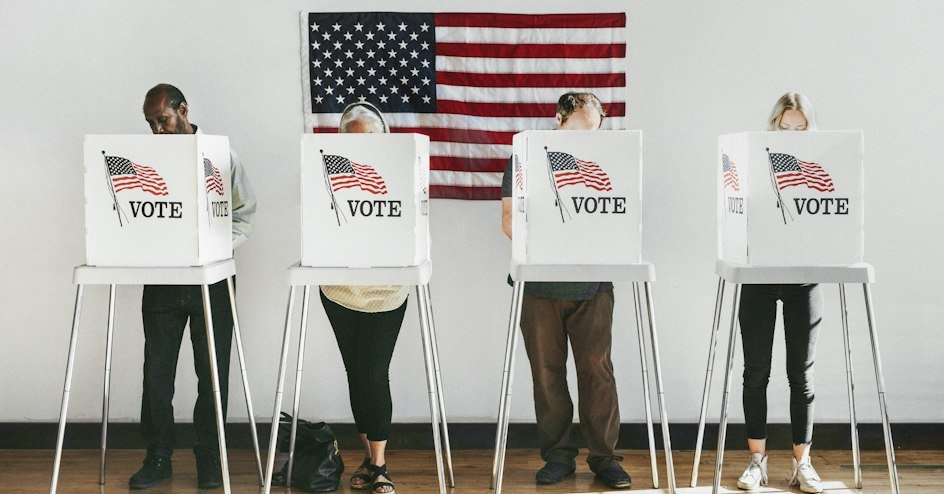


Midterm early voting passed 50 million ballots by the morning of Saturday, 31 October, beating the entire early voting total from the last midterm cycle before Election Day had even arrived. The University of Florida Election Lab put the national count at more than 50.5 million on Saturday morning, and a later count put it at 51.31 million by 2:30 p.m. local time on 31 October. The full early voting total in 2022 was 45.9 million, so the 2026 figure already stood nearly 5 million votes above that mark with days of voting still to run in many states.
The midterm contests on the ballot on Tuesday, 3 November, cover a wide range of offices. Thirty-six states are holding elections for governor, and 35 states are holding Senate races, including special elections in Florida and Ohio. Early voting began as early as 18 September in states such as Minnesota, South Dakota, and Virginia. Many states closed their early voting periods by 31 October, while others kept the window open into early November, so the remaining chance to vote early depended on where a voter lived.
A Friday evening count put the total at 49.6 million, made up of about 22.9 million returned mail ballots and 26.8 million in-person votes. By Saturday the count had moved past 50 million, and it kept rising through the weekend. Measured five days before Election Day, more than 10 million additional voters had taken part than at the same point in 2022, according to Associated Press reporting of the Election Lab figures.
Midterm turnout surges in Texas and battleground states
Texas gave the clearest example of the surge. More than 7 million people in the state had voted early, according to the Election Lab data, already 1.5 million more than the number who voted early in Texas during the whole 2022 cycle. In Harris County, which includes Houston, an Associated Press analysis found 862,700 people had voted by Wednesday, compared with 564,500 at the same point in 2022. The midterm pattern was similar elsewhere. Associated Press reporting put early voting in South Carolina up 83 percent compared with 2022, Kansas up 34 percent, Maine up 44 percent, and Michigan up 32 percent.
San Francisco also reported a faster pace than in its June primary. Nearly 130,000 voters had already cast ballots as of Saturday, according to the city Department of Elections, and election officials projected turnout could reach the high 60 percent to low 70 percent range. John Arntz, the city director of elections, said about 24 percent of registered voters had returned ballots by that point, compared with about 17 percent by the Saturday before the June primary. He said turnout was tracking ahead of the previous midterm general election as well. San Francisco planned 501 polling places for Election Day, each serving as a ballot drop-off location.
Midterm party registration figures need careful reading
In states that record the party registration of early voters, registered Democrats had outnumbered registered Republicans so far. The Guardian analysis of Election Lab data put the figures at 10.7 million registered Democrats and 7.8 million registered Republicans. Those figures need careful reading. Party registration data is available in only 27 states, so it does not give a complete national picture. A voter party registration also does not reveal which candidates that voter supported, and election officials generally do not count ballots before Election Day.
Michael McDonald, who oversees the Election Lab, pointed to rising participation among Black and Hispanic voters in states that report racial and ethnic data. In states that track voters by party registration, registered Democrats made up around 44 percent of early voters, compared with 31 percent for Republicans and 25 percent for unaffiliated and minor-party voters, according to earlier reporting of the same data.
Midterm early vote does not predict the final result
A record early vote does not, on its own, predict the final result or even final turnout. Some voters may simply be choosing to vote earlier than in previous years rather than adding to the total, and tens of millions more Americans were expected to cast ballots on Tuesday itself. The final midterm electorate was expected to exceed 100 million voters, according to reporting on the early figures. Early voting totals measure turnout, not who is winning, and the outcome will depend on the ballots cast on Election Day as well as those already banked.
Voters who had not yet cast a ballot faced different deadlines by state and county. Early voting had ended in some states by Friday, while in others it ran through the weekend. With more than 50 million ballots already cast, the 2026 midterm election had set a new early voting record days before Election Day.