
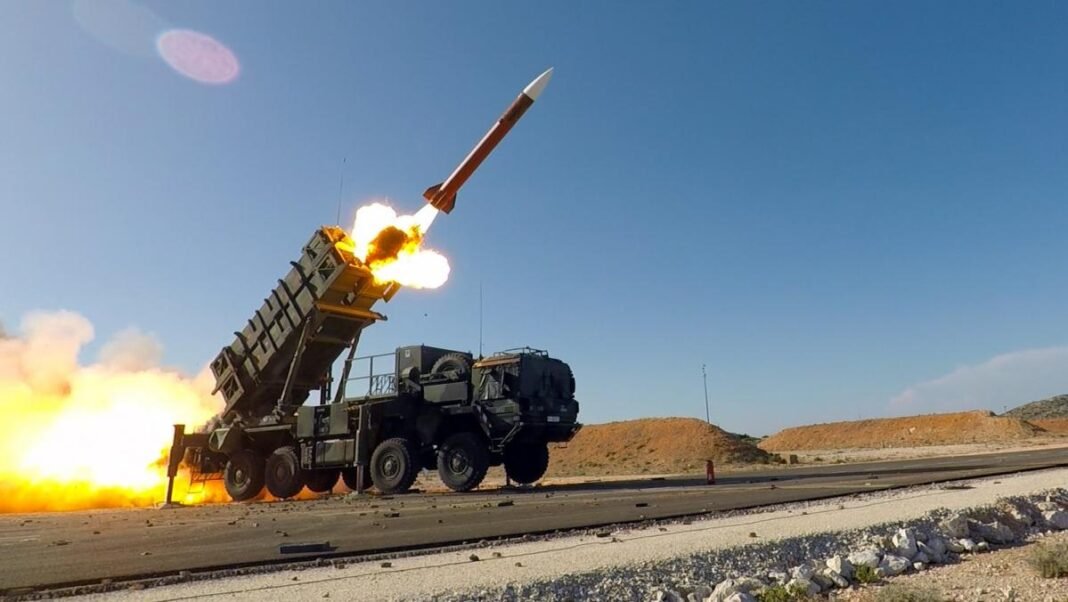


Patriot missiles worth an estimated 2.1 billion dollars were approved for Ukraine by the United States State Department on Friday, 30 October, in one of the largest steps to supply defensive weapons to Kyiv since the start of the second Trump administration. The approval covers 500 Patriot PAC-3 interceptor missiles, along with spare parts, logistics, and programme support. Lockheed Martin, based in Bethesda, Maryland, is named as the principal contractor for the sale.
The Patriot package will not be paid for from the United States budget. The State Department said Ukraine will pay with contributions from Canada, Germany, and Norway routed through a programme called US JUMPSTART, along with national funds financed by the European Union Ukraine Support Loan. The announcement stated that no United States funds are involved. JUMPSTART, formally the Joint Ukraine Multinational Program, Services, Training and Articles Rapid Timeline, channels allied and partner donations into Ukrainian purchases through the United States Foreign Military Sales system.
The approval is for a possible sale, not a signed contract, and it is subject to congressional review under the Arms Export Control Act. The estimated 2.1 billion dollar figure is an approval ceiling for the full package, including missiles, parts, and support, rather than a price for the missiles alone. The notification gave no delivery schedule and no specific manufacturing allocation for the Ukrainian missiles, and the United States government said it was unaware of any proposed offset agreement.
Patriot delivery timeline stretches into the 2030s
Ukraine is not expected to receive the interceptors soon. Weapons sales typically take years to fulfil, and two people briefed on the decision told Reuters that the missiles, which have yet to be manufactured, are not expected to be delivered until a couple of years into the 2030s. That timeline sits uneasily with Ukraine’s urgent need for air defence this winter, as Russian strikes on cities and energy infrastructure have intensified ahead of the cold months.
President Volodymyr Zelenskyy welcomed the decision but said deliveries may begin only in a few years, according to reporting of his statement. He had requested a winter support package providing 100 Patriot interceptors per month, and he proposed transferring missiles from United States and allied inventories first, then replenishing those stocks through later production. That proposal remains a Ukrainian request, not a confirmed delivery arrangement, and the State Department announcement did not adopt it.
In an address on 27 October, Zelenskyy said more than 100 ballistic missiles had been launched against Kyiv and the surrounding region since 14 October. The Patriot system is designed to intercept ballistic missiles and other air threats, and Ukraine has relied on existing Patriot batteries to defend cities and critical infrastructure. The new package is intended to sustain existing Patriot operations and improve Ukraine’s integrated air and missile defence capabilities, according to the State Department.
Patriot funding from Canada, Germany and Norway
The funding route matters for how the sale will work in practice. Canada, Germany, and Norway are contributing through JUMPSTART, while further national funds come through financing linked to the European Union Ukraine Support Loan. Because no United States funds are involved, the sale does not draw on the United States defence budget, but it still moves through the United States Foreign Military Sales system, which governs export approvals, contracting, and delivery.
Lockheed Martin makes the PAC-3 Missile Segment Enhancement interceptor, the version covered by the approval. The PAC-3 MSE is an upgraded interceptor used with the Patriot system, and production capacity for such missiles is limited, which is one reason new orders take years to reach the buyer. Other allied orders also compete for the same production lines, and the notification did not say where in the queue the Ukrainian missiles would sit.
Patriot approval and the winter air defence gap
The gap between approval and delivery leaves a practical question for the winter ahead. Ukraine has asked allies to move missiles from existing stocks now and backfill them later, arguing that a future order does not stop missiles falling this winter. Allies have not publicly agreed to that transfer plan as part of this sale. For now, the approved package adds to a long term supply line rather than to the stockpile available in the coming weeks.
Congressional review is the next formal step. Under the Arms Export Control Act, Congress can review the proposed sale before contracting proceeds, and the process can affect timing as well as terms. If the sale clears review, contracting and production will follow, with delivery years away. The State Department approval, reported by Reuters, Al Jazeera, NBC News, and Inside Defense, was announced on 30 October, and it is one of the largest defensive weapons approvals for Ukraine under the current administration, even though the missiles themselves have yet to be built.