
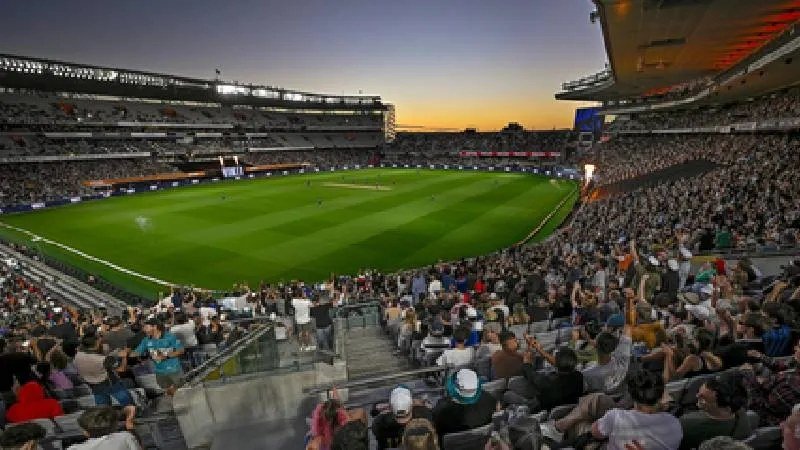


The India New Zealand ODI series opened with a five wicket win for India at Eden Park in Auckland on 4 November. India reached a revised target of 143 for the loss of five wickets in 22.4 overs, after rain interruptions changed the shape of the match. New Zealand had been bowled out for 185 in 40.2 overs earlier in the day. Virat Kohli scored 74 off 51 balls, and Shubman Gill made 37, in a 113 run second wicket stand that set up the chase.
India New Zealand ODI opener shaped by rain
In the India New Zealand ODI, Gill won the toss and chose to field, and that decision put New Zealand in first on a day when the weather kept breaking into the play. The home side reached 185 before being bowled out in 40.2 overs. Arshdeep Singh took four wickets for 70 runs, Gurnoor Brar took three for 44, and Anshul Kamboj took two for 22. The three bowlers shared nine of the ten wickets between them, and the figures showed how evenly the work was spread through the attack.
Rain interruptions in the India New Zealand ODI meant the match could not run its full course in either innings, and the target was revised under the Duckworth Lewis Stern method. India were set 143 runs to win in 32 overs, a shorter chase than the first innings total might have suggested. The revised target changed the task for the batting side, because the runs had to come in fewer overs, even though the total itself was lower than the score New Zealand had made.
In the India New Zealand ODI, Kohli gave the chase its pace with 74 off 51 balls, an innings that included 13 fours and one six. Gill made 37 at the other end, and the pair added 113 runs for the second wicket. That stand took India past the early part of the chase and left the middle order with a clear task for the closing overs. The partnership came at a point when the revised target still needed careful batting.
Kohli leads India New Zealand ODI chase
In the India New Zealand ODI, Jacob Duffy was the most successful bowler for New Zealand, taking three wickets for 49 runs. His wickets kept India from running away with the chase, and the visitors lost five wickets before reaching the target. The scorecard at the end read 143 for five, which showed that the win was clear in runs and overs, even though wickets had fallen along the way. India reached the target in 22.4 overs, well inside the 32 overs allowed under the revised terms.
Naman Dhir and KL Rahul were unbeaten at the end of the India New Zealand ODI, and they were at the crease when India passed the target. Their presence at the close meant India did not need to send out further batters, and the chase ended with wickets still in hand. The finish gave India a win in the first match of the five match series, and it gave the side a lead to carry into the next match of the series.
Bowling sets up the win
The India New Zealand ODI bowling figures told a large part of the story before the chase began. Arshdeep Singh finished with four for 70, while Brar took three for 44 and Kamboj took two for 22. Together, the three bowlers accounted for nine wickets, and their spells kept New Zealand to 185 in 40.2 overs. A total of that size, on a day broken by rain, left the home side short of a score that could put sustained pressure on the chase.
The India New Zealand ODI toss decision also mattered, because Gill chose to field after winning it. That choice asked his bowlers to set the terms first, and they responded by bowling New Zealand out inside 41 overs. When rain then cut into the match, the revised target of 143 in 32 overs meant India had to score at a steady rate, and the batting side met that demand without letting the required rate climb out of reach.
Second match to follow in Wellington
Attention now moves to the second match of the series, which is set for 7 November in Wellington. India will go into that match with a win from the first match behind them, while New Zealand will look to level the five match series. The result in Auckland means the next match carries added weight for the home side, because a second loss would leave them chasing the series from two matches down.