
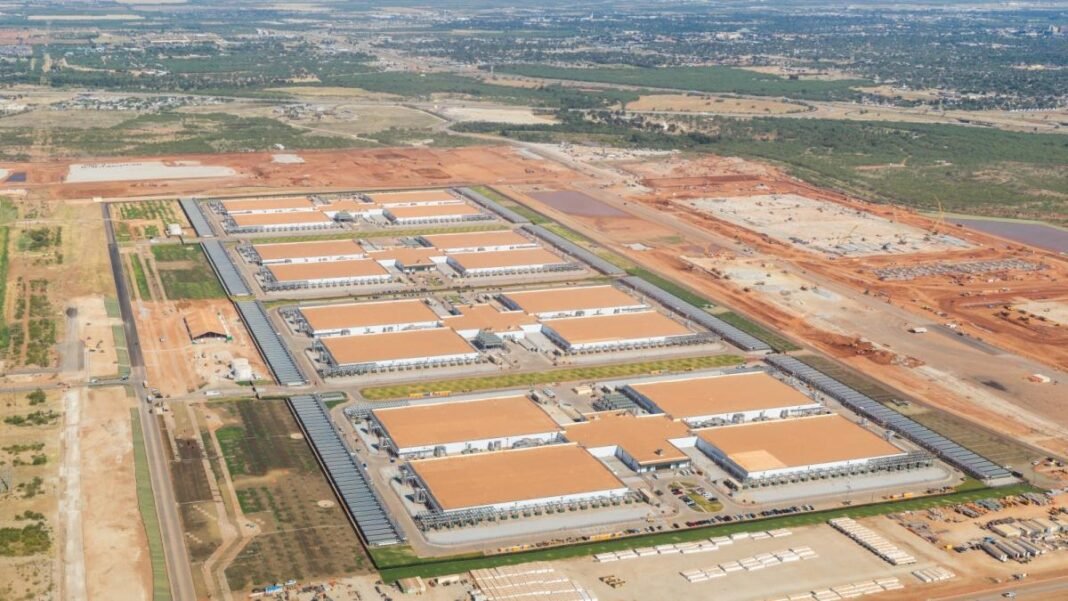


Texas was the fastest-growing data center market in the United States and the centre of Big Tech’s largest AI buildouts. That position is now in doubt. Texas data centers became a central issue in the 2026 midterm elections, and the results went against the industry. MIT Technology Review reported on 4 November 2026 that the political shift could slow construction and deepen concerns about the economics of the AI boom.
Democrat James Talarico won the US Senate seat against Ken Paxton. Gina Hinojosa won the race for governor against the Republican incumbent, Greg Abbott. Democrats will also take control of the Texas House for the first time in 24 years. Hinojosa has pledged a moratorium on data center development until legislation passes that addresses water, electricity, air and property rights.
Voters backed restrictions well beyond Texas. Redbud Consulting tracked 44 ballot measures across 10 states that sought to restrict data centers, and 38 of them passed. Only one measure passed that allowed a data center to proceed, and even that one required developers to fund independent reviews and hold public hearings.
How Texas data centers grew so fast
Texas data centers grew fast because the state was the easiest place to build. Developers told MIT Technology Review that the governor’s office had stopped responding to their emails, and on 21 September Abbott directed a key state regulator to halt data center permits. At an industry conference in Ashburn, Virginia, on the Tuesday after the election, panelists said Texas had been the easiest place to build for years, until September.
The scale of Texas data centers already under way is large. The Stargate Frontier data center in Shackelford County is projected to serve 1,820 megawatts, about as much as the largest data center in the country, SpaceX’s Colossus 2 in Tennessee, and more than twice as much as the largest data center now operating in Texas. Nexus Hubbard, also under construction and intended mostly to serve Anthropic, has a planned size of 6,400 megawatts. It is the second-largest data center being built in the United States, behind only Meta’s Hyperion project in Louisiana.
Bloomberg reported that about 13 gigawatts of data center capacity in Texas is now exposed to the political shift. Texas data centers were expected to account for more than 41 percent of added data center capacity in the United States in 2028. Analysts project that nearly two-thirds of planned 2028 capacity could face delays.
Where the Texas data centers vote landed
The counties around Dallas hold much of the buildout. Dallas County and others closest to it went Democratic, as expected, but nearby Ellis County, which leads the state in permitting requests for data centers, voted for Abbott and Paxton. Cameron County, near the southern border and another hot spot for data centers, voted Democratic, a shift from past elections.
The picture on the ground is mixed. Some counties that host data centers backed the candidates who promised to slow them down. Others that lead in permits voted to keep the current leadership. That split is part of why developers are unsure what happens next, and why the moratorium Hinojosa promised will face pressure from construction unions and local officials in data-center-heavy counties.
The politics cut across the usual lines. Texas data centers use large amounts of electricity and water, and residents near the projects have raised concerns about power bills, water supplies and land use. Those concerns carried the ballot measures in 38 of 44 cases, and they carried the governor’s race in Texas.
What happens next for Texas data centers
Hinojosa has not yet taken office, and the moratorium she promised still has to survive contact with the legislature, the courts and the counties that want the jobs. Projects already under construction, including Stargate Frontier and Nexus Hubbard, have permits and power in place, but analysts warn that projects with power and no state environmental permits could slip by 12 to 18 months.
The Texas result also feeds a wider question about the AI buildout. Gartner estimated recently that the AI boom is nearly $5 trillion short of paying for itself, and the cost of power, permits and land now shapes where companies put new capacity. Texas offered cheap land and a friendly permit regime. If that changes, developers of Texas data centers will have to look elsewhere, pay more, or wait.