
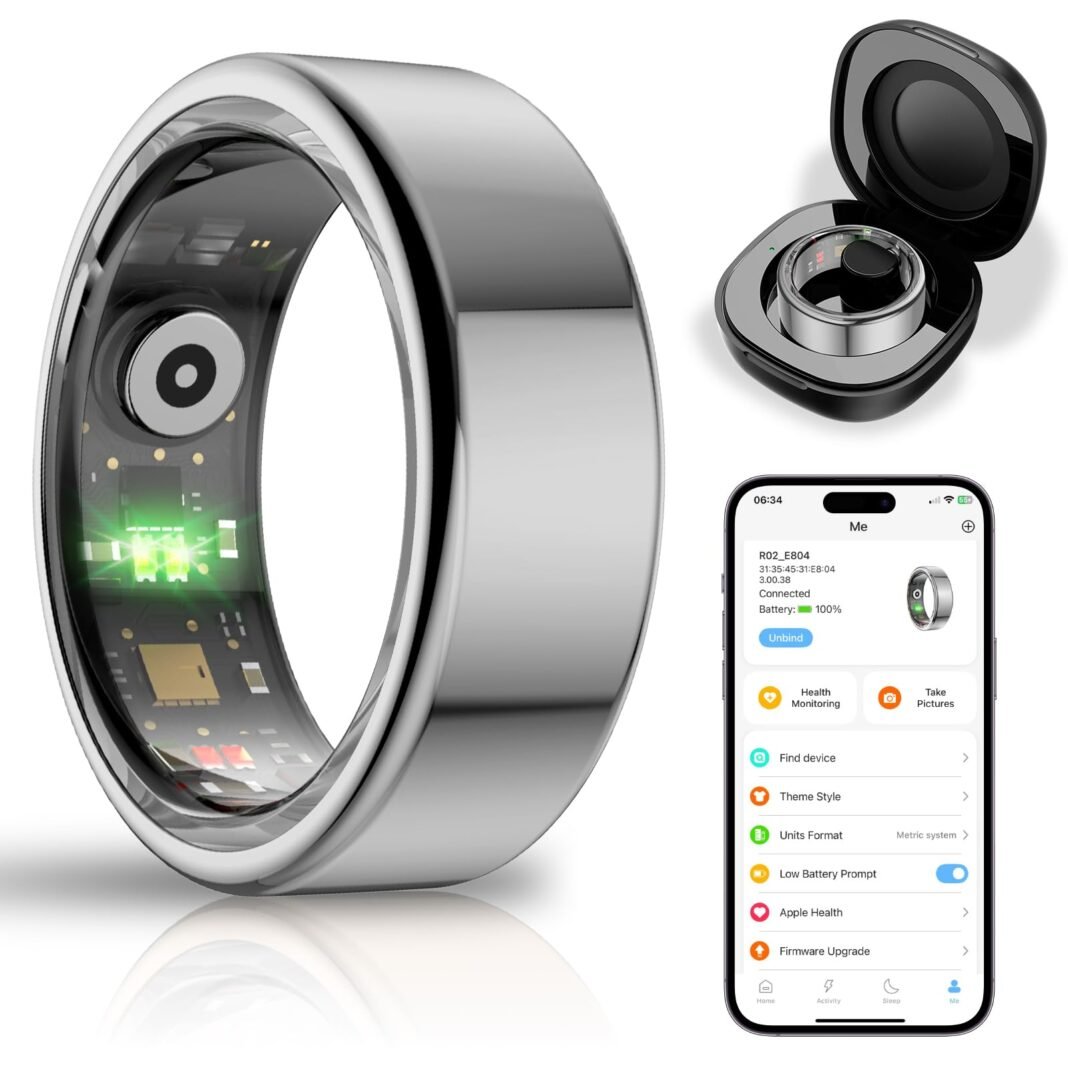


Oura, the maker of the Oura Ring, will buy virtual primary care company Counsel Health for $625 million in cash, the companies said on Tuesday, in a deal that takes the smart ring maker into clinical care.
The agreement pairs Oura’s continuous biometric data with Counsel’s medical AI and on-demand physicians, the companies said. The transaction is expected to close before the end of the calendar year, subject to customary closing conditions.
The deal is subject to purchase price adjustments, the companies said in the announcement. The ring maker describes its platform as a health intelligence service built to change how people understand and manage their health in everyday life, and the acquisition extends that service from tracking into care.
Counsel Health is an AI-native primary care company. Its chat-based service lets people ask health questions and then connects them with licensed, board-certified physicians for diagnosis, treatment, prescriptions and referrals. The company serves health plans, health systems, employers and consumers.
What Oura is buying
Counsel Health combines a chat interface with access to doctors, rather than offering a chatbot alone. People can talk through everyday health concerns in the chat and then be transferred to a clinician for care over telehealth. The company raised $36 million in funding, including a $25 million Series A round a year ago led by Andreessen Horowitz and GV.
Counsel’s founder and chief executive, Muthu Alagappan, will join Oura as chief clinical AI officer, alongside the company’s 70 employees, Bloomberg reported. Alagappan, a doctor, said the ring’s data gives clinicians “objective context, trended biometrics, and member engagement to deliver more informed care.”
Why the deal matters for Oura
The acquisition moves Oura beyond tracking and into treatment. Until now the company has sold a ring that measures sleep, heart rate and other signals, and turned those readings into scores and guidance in its app. With Counsel, those readings can feed directly into care decisions made by doctors.
The deal also widens the market the company can reach. Oura executive chairman David Shuman said the relationships Counsel has with health plans and employers could extend the combined company’s reach to millions of people beyond its current members.
The combination also gives doctors something they have not had from a consumer wearable: a steady stream of measurements taken outside the clinic. Counsel’s physicians will be able to see trends in sleep, heart rate and activity before they speak to a patient, rather than relying only on what the patient reports in the appointment. The companies said that context should lead to more informed care, though they have not published results showing how the combined service performs in practice.
Counsel Health and its doctors
Counsel’s pitch is that AI can handle the first part of a consultation, gathering symptoms and history, while doctors handle diagnosis and treatment. The model is designed to make primary care faster to reach, particularly for people who find it hard to get an appointment. The companies have not said how the service will be priced inside the app, or when it will reach existing members.
Oura after the postponed IPO
The deal comes a few weeks after Oura postponed a planned initial public offering of up to $2.2 billion indefinitely, citing uncertainty in the IPO market. The company announced the acquisition alongside preliminary results that showed strong growth without a public listing.
For the quarter ended 30 September 2026, revenue grew 153 percent from a year earlier to $533 million. For the fiscal year, revenue was about $1.75 billion, up 92 percent, and the company said it has more than six million members. The figures are preliminary and unaudited and may change as the company completes its year-end close.
The $625 million price is large next to that scale, at more than a third of a year’s revenue. It is a bet that a ring that already tracks health around the clock becomes more valuable when the data it collects leads to a doctor, rather than only a score in an app.
If the deal closes on schedule, the ring’s measurements will sit alongside the doctor’s notes in a primary care consultation, with the data from the wearable feeding into the care a patient receives.