
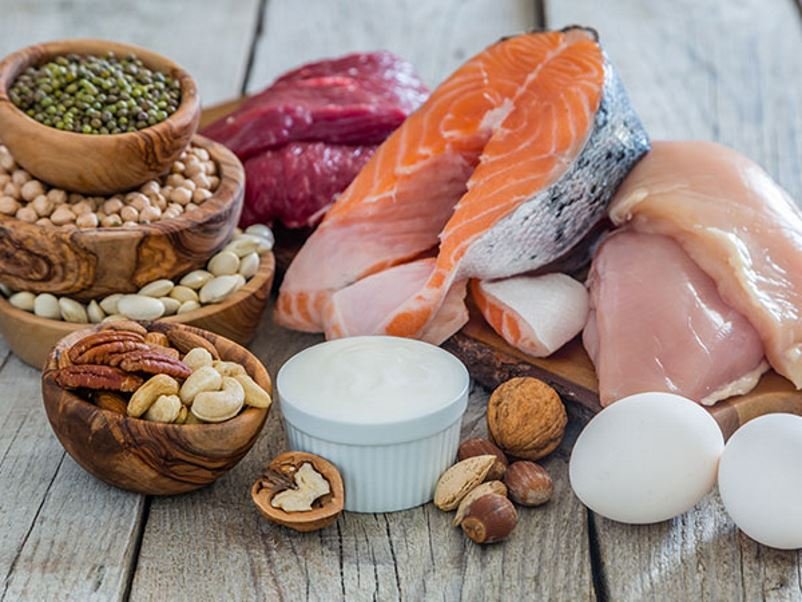


Eating less protein could improve metabolic health and slow aging, a sweeping review of more than 350 studies suggests, although the authors warn that lower protein intake does not suit everyone.
The review, published on 31 July in the Cell Press journal Cell Press Blue, looked at decades of research into protein restriction and aging in animals and humans. Its authors, Bailey A. Knopf and Dudley W. Lamming of the University of Wisconsin-Madison, found that lower protein intake was tied to better metabolism and healthier aging across a wide range of species.
Protein has become a selling point on foods from cereal to coffee, and high-protein diets are widely promoted for weight loss and fitness. The new analysis pushes in the other direction, at least for people who spend most of the day sitting down. The review landed as protein powders, bars and shakes fill supermarket shelves, and as food makers add the nutrient to products that once had little of it. Scripps News reported the findings this week.
What the protein intake review found
The strongest evidence that lower protein intake can extend life comes from animals. Flies and rodents lived longer on diets containing less protein even when their total calorie intake was not reduced, the review found. The same pattern appeared in studies of yeast and fish.
Human research is more limited, but small clinical trials pointed in the same direction. People who reduced their protein intake lost weight and body fat and improved their fasting blood sugar levels, in some cases while eating more calories overall. Most of the people in those trials still ate protein within the recommended daily allowance, so the diets were moderate rather than severe.
A hormone that may explain the effect
The researchers pointed to a hormone called fibroblast growth factor 21, or FGF21, as one of the main drivers behind the effects. FGF21 levels rise when protein intake falls, and the hormone has been linked to greater energy expenditure, better blood sugar control and lower inflammation.
Lower protein intake also appeared to change how cells respond to nutrients, reduce cellular damage and help cells maintain normal function, the authors wrote. Those changes are among the hallmarks of slower aging, and they showed up across species from yeast and fruit flies to rodents and humans.
Why protein intake advice is not one size fits all
Protein still has clear benefits for people who are physically active. “It’s absolutely crystal clear that there are benefits of protein to muscle growth and exercise response of active individuals,” Lamming, the paper’s corresponding author and a professor of medicine at the University of Wisconsin-Madison, said. The review does not dispute that, and Lamming added that most people are relatively sedentary and may be eating more protein than they need.
Protein intake advice should be considered case by case rather than the same amount being recommended for everyone, the researchers argued. Older adults, for example, have long been told to eat more protein to protect against age-related muscle loss, and the review does not overturn that guidance for people who need it.
What researchers still do not know
The review does not establish that eating less protein will make people live longer. Stuart Phillips, a professor of kinesiology at McMaster University, told the publication STAT that the authors acknowledge the effect of protein restriction on human lifespan is unknown, calling that the central limitation of the work.
United States dietary guidelines released in 2026 recommend 1.2 to 1.6 grams of protein per kilogram of body weight each day, a level well above the older recommended allowance. The review authors said their findings should not be read as a universal recommendation to cut protein, and nutrition researchers cautioned against assuming that results from animal studies will apply directly to humans.
For sedentary adults, the evidence points to a middle course on protein intake: enough protein to stay healthy, without the extra that food marketing now pushes at every meal. The review gives that idea a large body of research behind it, but the final word on how much protein people need will come from longer human trials.