
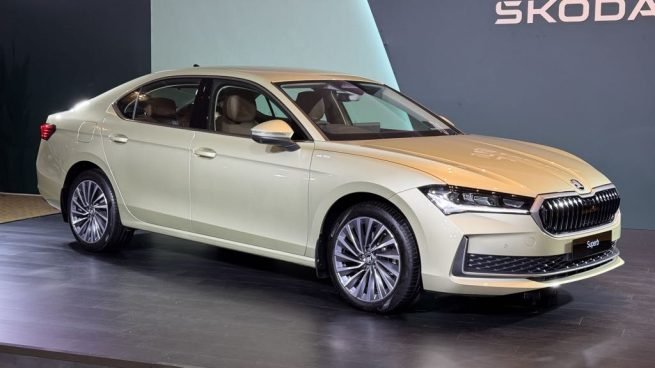


Talks between JSW Group and Volkswagen over a proposed joint venture in India have run into trouble over control, with the two sides still apart on ownership, management and which assets go into the new company. The JSW Volkswagen JV follows a non-binding memorandum of understanding signed in September between JSW Green Mobility and Skoda Auto, the Volkswagen Group company that runs its mass-market business in India.
JSW is seeking a 51% stake in the venture, while Volkswagen is pushing for a structure that gives both partners joint control, according to a Moneycontrol report citing people familiar with the discussions. The JSW Volkswagen JV partners have yet to agree on the ownership structure, management responsibilities and the manufacturing assets that would move into the proposed entity.
JSW Volkswagen JV control dispute centres on 51% stake
Volkswagen is reluctant to give up control of its Indian operations. “Volkswagen is not on board with the idea of ceding control of the India operations,” an industry source familiar with the discussions told Moneycontrol. India remains an important growth market for the group as its businesses face challenges in other major markets, the report said.
For JSW, the JSW Volkswagen JV would widen its presence in the passenger vehicle market, building on automotive ventures it already runs with SAIC Motor through JSW MG Motor India, with Chery through JSW Motors and with CHTC Kinwin through JSW Greentech.
Which Skoda models would join the venture
The companies are also working out which vehicle brands and models would come under the proposed venture. One option under discussion is to bring select premium Skoda models into the JSW Volkswagen JV while keeping its India-developed mass-market vehicles under the existing business structure.
Skoda currently makes the Kylaq, Kushaq and Slavia in India. Its range also has the imported Octavia RS and the locally assembled Kodiaq. Audi, Porsche, Lamborghini and Bentley are not expected to be part of the proposed arrangement, according to the report. The idea of keeping some Skoda operations independent is still a proposal and has not been called a deal breaker, a source told Moneycontrol.
Sales gap between Skoda and Volkswagen
The sales figures show why the shape of the deal matters. Skoda sold 44,133 vehicles in India between April and October 2026, compared with 18,043 for Volkswagen, according to Society of Indian Automobile Manufacturers data cited by Moneycontrol. Skoda’s India sales doubled in 2025, while Volkswagen’s volumes fell by nearly 9%. The figures put Skoda well ahead of Volkswagen on volume in the current financial year, and the JSW Volkswagen JV talks come as that gap shapes what each side brings to the table.
JSW Volkswagen JV and the Chakan plant
The ownership and use of the group’s Chakan manufacturing facility in Maharashtra is another open question. The plant has an annual production capacity of around 225,000 vehicles and makes the Skoda Kylaq, Kushaq and Slavia as well as Volkswagen’s Taigun and Virtus. It also houses engine assembly operations.
One proposal is to keep the facility outside the joint venture, Moneycontrol reported. If that happens, the partners would need separate manufacturing arrangements for the models included in the JSW Volkswagen JV. The group also runs a manufacturing facility at Chhatrapati Sambhajinagar, formerly Aurangabad, with an annual capacity of around 60,000 vehicles.
Customs dispute adds to the talks
Volkswagen’s customs duty dispute in India could also shape the negotiations, in particular over how any potential liabilities are shared. In 2024, Indian authorities issued a demand of about $1.4 billion against Skoda Auto Volkswagen India, alleging misclassification and misdeclaration of imported vehicles and components to pay lower customs duties. The company has challenged the allegations, and the matter is under litigation. The dispute could also affect the JSW Volkswagen JV talks over valuation and the capital each partner puts in.
A Skoda Auto Volkswagen India spokesperson told Moneycontrol that the September agreement was meant to explore the principles of a strategic partnership, covering product expansion, localisation, manufacturing and research and development. The spokesperson described the proposed arrangement as a “two-party partnership structure with joint control”, with clearly defined roles and mechanisms for decision-making. The discussions are ongoing, with the two companies yet to finalise the ownership structure, operational responsibilities and assets that would be included in the JSW Volkswagen JV.