
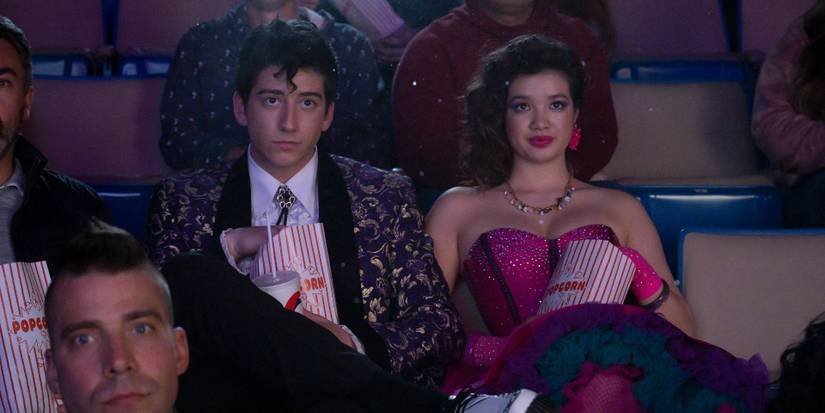


The AI actors debate has moved from science fiction to the centre of Hollywood’s most urgent conversation. A provocative new think-piece in The Guardian asks whether the technology behind synthetic performers is finally ready to rival flesh-and-blood film stars — and whether audiences, studios and performers themselves are prepared for what that means.
The question is no longer hypothetical. Synthetic performers — generated or enhanced by artificial intelligence — have already appeared in crowd scenes, commercials and experimental shorts. Digital de-ageing has resurrected younger versions of living stars, while fully virtual influencers with millions of followers have shown that audiences will form attachments to faces that do not exist. The Guardian’s piece crystallises a growing unease: today’s synthetic performers are rough around the edges, but the trajectory is unmistakable.
What makes the current moment different is the convergence of several technologies at once. Generative video models can now produce photorealistic human movement; voice cloning can reproduce an actor’s timbre from minutes of audio; and real-time rendering engines allow directors to direct a synthetic performer almost as they would a human one. The raw ingredients of synthetic performers are all on the table — the argument is about how quickly they will be assembled into a convincing whole.
Why AI actors unsettle the film industry
For performers, synthetic performers represent an existential threat to the economics of stardom. An actor’s face, voice and likeness are their capital; a studio that can licence a digital likeness once and deploy it indefinitely has far less need to negotiate with the human being behind it. The 2023 SAG-AFTRA strike put AI likeness rights at the centre of labour negotiations precisely because actors understood that digital performers could hollow out background work first and principal roles later.
The new contract language won by the union created guardrails around the creation of digital replicas, but the synthetic-performer question extends beyond replicas of real people. A wholly synthetic star — owned by a studio, free of scandals, available around the clock — would sidestep those protections entirely. Casting directors and agents are already asking how long it will be before a major release is headlined by someone who was never born.
Can AI actors truly rival human stars?
The Guardian’s central question — whether AI actors are ready to rival human stars — turns on what audiences actually value in a performance. Star power has never been purely technical. It is a compound of charisma, cultural presence, unpredictability and the knowledge that a real person is taking real risks. AI actors can simulate the surface of a performance; whether they can generate the aura that makes people buy tickets remains unproven.
Early experiments with the technology have been instructive. Virtual influencers succeed partly because their artificiality is the point — followers know they are synthetic and engage with them as a novelty. But a two-hour drama asks something different of its audience: sustained emotional investment. Critics of the synthetic-performer thesis argue that viewers can detect the absence of genuine interiority, and that the uncanny valley will simply migrate from faces to feelings.
The future the AI actors debate is really about
Beneath the spectacle, the synthetic-performer debate is a debate about what film is for. If cinema is primarily an industrial product — content manufactured to fill schedules — then synthetic performers are simply a more efficient input. But if it is an art form rooted in human experience, then AI actors raise questions no contract clause can fully answer: can a machine’s performance move us, and does it matter if we know no one was ever there?
Regulators and unions are racing to build frameworks before the technology forces the issue. Consent, compensation and disclosure rules for AI actors are being drafted in multiple jurisdictions, but enforcement will be difficult in a global industry where a synthetic performance can be generated anywhere. The Guardian’s piece suggests the window for shaping the outcome is narrowing.
For now, human stars remain safe — but perhaps less safe than they were a year ago. The conversation has shifted from “if” to “when” and, increasingly, to “how do we live with it”. Hollywood has survived every technological upheaval from sound to streaming by absorbing the new and redefining the old. Whether AI actors become the industry’s greatest tool or its greatest threat will depend on decisions being made right now, in contract rooms and cutting rooms, while the audience is still deciding how it feels.