


Congo Ebola deaths have passed 5,372 among 10,414 confirmed cases, pushing the fatality rate above 50% after a records review in Ituri province. The Congo Ebola deaths toll, released by the Africa Centres for Disease Control and Prevention, shows the scale of an outbreak that has now lasted more than a year.
The latest figures, covering the period up to November 1, show 5,372 deaths from 10,414 confirmed cases, a fatality rate of 51.6%. The toll rose sharply after health officials in Ituri province reviewed historical records and added previously uncounted cases and deaths. The review added more than 1,000 deaths to the total, according to the Africa CDC.
The outbreak, which began in September 2025 in the eastern Democratic Republic of Congo, has spread to several provinces, including North Kivu, South Kivu and Ituri. Health workers have struggled to contain the virus amid ongoing conflict, poor infrastructure and mistrust of authorities in affected communities.
Why Congo Ebola deaths keep rising
Several factors have driven the rising Congo Ebola deaths. The outbreak is taking place in a region affected by armed conflict, which has made it difficult for health workers to reach affected areas and for patients to access treatment. Many communities are remote, and roads are often impassable during the rainy season.
Mistrust of health authorities has also hampered the response. Some communities have resisted vaccination campaigns and refused to allow health workers to enter their villages, fearing that the virus is a hoax or that vaccines are harmful. Misinformation spread on social media has further undermined efforts to control the outbreak.
“The situation in eastern Congo is extremely challenging,” Dr Jean Kaseya, director-general of the Africa CDC, said in a statement. “We are working with the Congolese government and international partners to scale up the response, but we need more resources and more support from communities.”
What is being done to stop the outbreak
Health authorities have deployed vaccination teams to affected areas, using the rVSV-ZEBOV vaccine, which has been shown to be effective against the Zaire strain of Ebola. More than 500,000 people have been vaccinated so far, according to the World Health Organization (WHO).
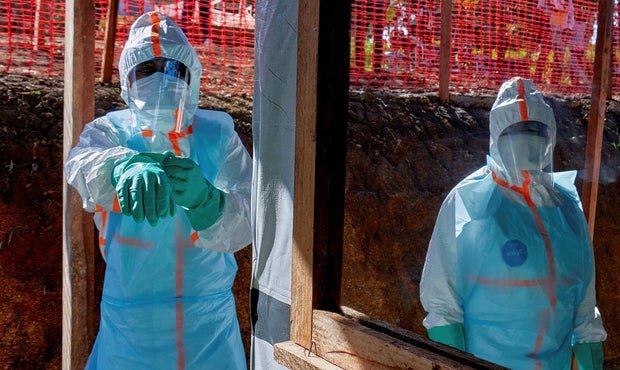
Treatment centres have been set up in major towns, and contact tracing teams are working to identify people who may have been exposed to the virus. The WHO has also sent additional staff and supplies to the region, including personal protective equipment for health workers.
What happens next
Health officials say the outbreak is far from over, and the Congo Ebola deaths toll is expected to rise further in the coming weeks. The WHO has warned that the virus could spread to neighbouring countries, including Uganda, Rwanda and Burundi, if it is not contained.
International donors have pledged additional funding for the response, but health workers on the ground say more is needed. “We are doing our best with what we have, but the scale of this outbreak is overwhelming,” one health worker in Beni said. “We need more vaccines, more treatment centres and more staff.”