
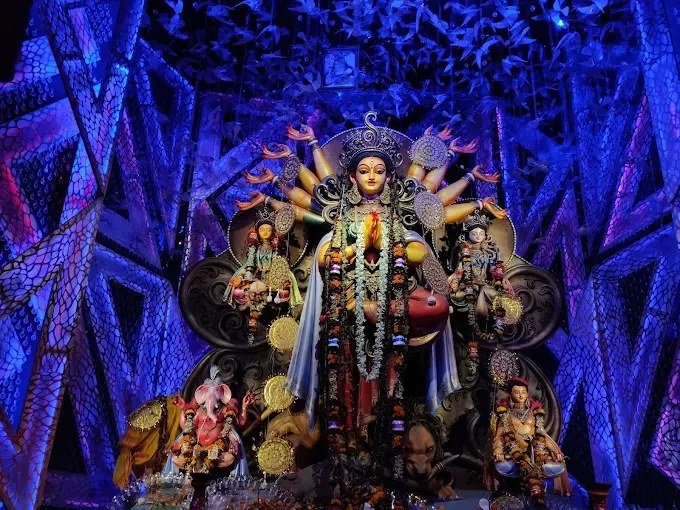


Kolkata, Oct 18 (TNS): The streets of Kolkata are awash in colour and crowds as Durga Puja 2026 moves through its peak days, and the Durga Puja business in Bengal is once again among the largest festive economies in India. But behind the glowing pandals and packed shopping streets, the season is unfolding unevenly: while organised retail and large brands report a strong run, thousands of small traders, street-food vendors and market shopkeepers say rising costs are eating into whatever extra footfall the festival brings them.
Every year, the festival powers a surge of spending on clothing, jewellery, food, electronics and travel across West Bengal. This year, the Durga Puja business in Bengal arrived with an unusual split-screen: footfall is visibly high across the state’s markets and malls, yet many of the smallest sellers — the hawkers, pandal-side food stall owners and neighbourhood traders who depend on the season for a large share of their annual income — describe a season of pressure rather than prosperity.
The divide is visible in how money moves through the economy. Large shopping destinations and online platforms have steadily consolidated festive spending over the past decade, while the informal economy that has always been the soul of the festival is finding it harder to hold on. Traders in traditional bazaars say shoppers are spending, but more selectively than in the past, bargaining harder and comparing prices across platforms before committing.
Organised retail rides the Durga Puja business boom
For malls, big-format retailers and e-commerce platforms, the season has been strong. Retailers across Kolkata and East India report steady demand for apparel, footwear and consumer durables during the festive window, with many timing financing offers, discounts and festive product launches to the Puja calendar. According to industry estimates reported during the festival season, jewellery, apparel and food-and-beverage sales at large organised outlets have been running well above last year’s levels, aided by the extended festive weekend that gave shoppers an early start — another sign that scale rewards the Durga Puja business.
Online marketplaces have leaned into the festival too. Early festive-season sales following the recent GST rationalisation gave e-commerce a sharp lift, and the Durga Puja business in Bengal has benefited from that momentum, with premium smartphones, televisions and home appliances among the big-ticket items drawing buyers in the run-up to the main Puja days.
Small traders feel the squeeze in the Durga Puja business
Step away from the malls and the mood changes. Street-food vendors around the pandals, hawkers who set up stalls near the big pujas and small shopkeepers in traditional markets describe a season in which costs have risen faster than revenues. According to recent reporting on Kolkata’s festive food economy, vendors face sharply higher prices for cooking gas, edible oil and raw materials, and many have had to choose between raising prices — and risking thinner crowds — or absorbing the hit on already slim margins.
For a small fuchka or ghugni seller, the festival can still bring a meaningful jump in turnover — but with ingredient and labour costs climbing, the actual profit on each plate is thinner than in past years. Heavy pre-Puja rain earlier in the season also compressed the selling window for outdoor stalls and markets, a setback that small traders, unlike large chains, cannot easily absorb.
The pressure is not limited to food. Small garment and gift sellers in neighbourhood markets say organised retail and online platforms are capturing a growing share of festive spending, leaving traditional traders competing on price in a market where their own procurement costs have gone up. The result is a Durga Puja business in Bengal that looks vibrant from the outside while many of its smallest participants count the cost.
What the uneven Durga Puja business signals for the season
The festival’s economics extend well beyond shopping. Community puja committees, which depend on corporate sponsorships and public contributions to stage the elaborate pandals the city is famous for, have reported tighter budgets this year, with industry trackers estimating a significant dip in corporate sponsorship compared with previous seasons. The state government has meanwhile extended grant support to smaller committees.
For policymakers and businesses alike, the uneven Durga Puja business carries a clear message: the festival still moves enormous sums, but the gains are concentrating. For the smallest traders to share in the boom, relief on input costs and better access to supply chains will matter more than footfall alone — the perennial test of the Durga Puja business in Bengal. As the main Puja days draw to a close, the question hanging over Bengal’s markets is whether the crowds of the season will translate into margins for those who need them most.