
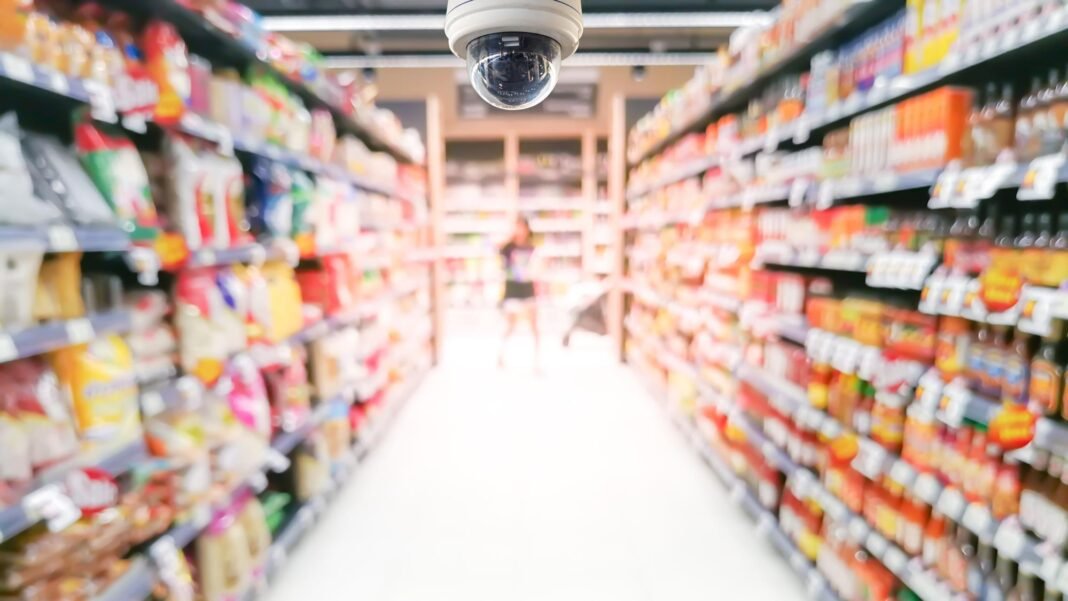


Facial recognition is now watching shoppers at the doors of some of Britain’s biggest supermarkets, and the results have split retailers, shoppers and privacy campaigners. Sainsbury’s, the country’s second largest supermarket, is rolling out the technology to about 200 stores during 2026 after trials in two London stores cut logged incidents of theft, harm, aggression and antisocial behaviour by 46 percent. The system, supplied by the firm Facewatch, scans faces at the door and matches them against a watchlist of repeat offenders shared by local stores. If a face is not recognised, the record is deleted at once and no data is stored.
The BBC’s business correspondent Emma Simpson tried the system for a report published on Monday. She found technology that retailers credit with a sharp fall in shoplifting, and that critics say treats ordinary shoppers as suspects. Sainsbury’s said 92 percent of offenders identified and banned in the trials did not return to its stores. Facewatch said it issued more than 516,700 alerts to its network of retailers last year, up from about 252,900 in 2024, or 1,415 a day. The firm said its system has a 99.98 percent accuracy rate.
Facial recognition and the shoppers wrongly accused
Facial recognition has also produced cases where innocent shoppers were accused of stealing. Matt Arnold, 46, was buying items at a Sainsbury’s store in East Dulwich when he was stopped by management at a self service checkout. He had scanned his items and put his Nectar loyalty card through, and was waiting for a staff member to approve an alcohol purchase. “A shoplifter does not walk around with that much shopping, they don’t scan it through, they don’t put their Nectar card through,” he told BBC London. “But what upset me was thinking this is what the future could be, people just listen to what the machine tells them to do without thinking about the consequences.”
Sainsbury’s said the incident was caused by human error, not by the technology, and that the retailer contacted Arnold to apologise. Facewatch said the facial recognition system was not at fault, and that a correct alert was sent to the retailer but was then handled badly in the store. Another man was wrongly approached in the retailer’s Elephant and Castle store, and Sainsbury’s said that was the first time a store manager had approached the wrong person. Other cases reported by TechRadar include a man buying vitamins at Home Bargains and a woman told to leave a Budgens store after being accused of stealing meat the previous week. Some of the people wrongly flagged met in Parliament to describe the experience.
Facial recognition rules and the legal grey area
The government said on 5 November that it will develop a new legal code for the use of facial recognition technology in the private sector. The code is meant to make sure businesses using the technology to tackle crime are using it responsibly and in support of law enforcement. Home Secretary Shabana Mahmood called facial recognition “the biggest breakthrough for catching criminals since DNA matching” and said the benefits are clear, so the government must and will expand its use. A report last year by the Ada Lovelace Institute said the rollouts exist in a legal grey area.
Facial recognition has spread well beyond Sainsbury’s. Asda, Home Bargains, Southern Co-op, Budgens and Costcutter are among the retailers using it, and Facewatch is used by more than 100 retailers. In the United States, the Federal Trade Commission barred a pharmacy chain from using facial recognition after the system produced thousands of false alerts. Big Brother Watch, the civil liberties group, says scanning shoppers’ faces treats them as a rogue’s gallery to be monitored. The group sponsored the Parliament meeting where wrongly accused shoppers told their stories.
Facial recognition will keep spreading through British shops in 2026, with Sainsbury’s alone adding about 200 stores to its rollout. Retailers point to the 46 percent fall in logged incidents and the 92 percent of banned offenders who stayed away. Critics point to the shoppers stopped at the door and the lack of a clear way to appeal when a match is wrong. The new legal code will set the rules, but until it arrives, the argument over the cameras at the shop door will run on.