
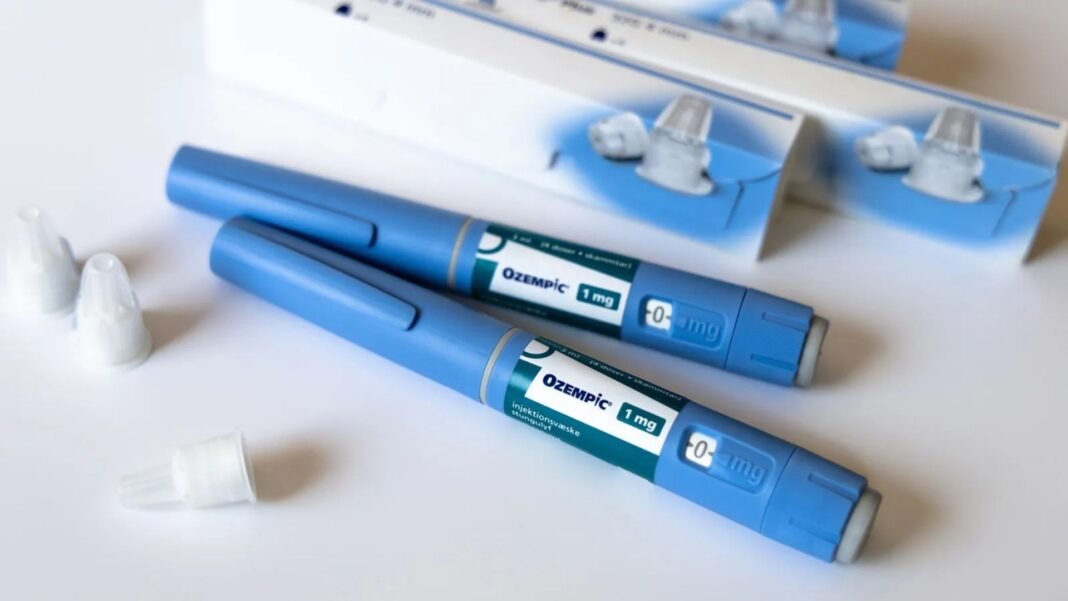


Some GLP-1 mental health benefits may extend well beyond weight loss and blood sugar control. A large Swedish registry study published in The Lancet Psychiatry found that certain GLP-1 receptor agonist drugs — best known by brand names such as Ozempic and Wegovy — were associated with a lower risk of worsening depression, anxiety and self-harm in people already diagnosed with mental health conditions.
The findings, led by researchers from the University of Eastern Finland, the Karolinska Institute in Stockholm and Griffith University in Australia, offer the clearest evidence yet that these widely prescribed diabetes and obesity medications may influence mental wellbeing. But the authors stress that the observational study cannot prove the drugs directly improve mental health, and they call for randomised controlled trials to confirm the effect.
How the GLP-1 Mental Health Study Worked
Researchers analysed national Swedish health registers covering 2009 to 2022, tracking nearly 95,000 people with diabetes and obesity who had already been diagnosed with depression or anxiety. Most of the cohort — around 60 per cent — were women, and the mean age was 50 years.
Crucially, the team compared periods when individuals were taking GLP-1 medications with periods when the same individuals were not, essentially using each person as their own comparison. This design helps reduce bias and provides a clearer picture of how the medications may affect mental health than comparing different people. Statistical models adjusted for time-varying factors such as the order and duration of medication use and concurrent psychiatric or antidiabetic treatment.
People with diabetes are known to have a higher risk of depression, anxiety and suicide than the general population, as impaired glycaemic control can be worsened by comfort eating and intermittent medication adherence, reinforcing low mood and poor self-worth. Over an average follow-up of 5.2 years, about 23.5 per cent of the cohort used GLP-1 receptor agonists, with semaglutide and liraglutide being the most common.
Semaglutide’s GLP-1 Mental Health Edge
Semaglutide showed the strongest association with reduced risk: it was linked to a 42 per cent lower risk of worsening mental health, including psychiatric hospitalisation, extended sick leave for mental illness, hospital-treated self-harm or suicide. Looking at specific conditions, semaglutide was associated with a 44 per cent lower risk of worsening depression, a 38 per cent lower risk of worsening anxiety and a 47 per cent lower risk of worsening substance use disorder.
Liraglutide also showed benefits, particularly in lowering the risk of worsening depression, with an 18 per cent reduced risk overall, though its effects were smaller and less consistent than semaglutide’s. Other GLP-1 medications studied, including exenatide and dulaglutide, did not show significant associations with mental health outcomes.
The study also compared GLP-1 receptor agonists directly with other second-line diabetes medications such as empagliflozin, dapagliflozin and sitagliptin. Semaglutide was again associated with better mental health outcomes, suggesting its benefits extend beyond glucose control alone. As a group, GLP-1 receptor agonists were linked to a lower risk of self-harm, though the study lacked the statistical power to test individual drugs on that measure.
What the GLP-1 Mental Health Findings Mean
“While GLP-1 medications are commonly prescribed for diabetes and obesity, their effects on mental health are unclear,” said Professor Mark Taylor from Griffith’s School of Medicine and Dentistry, part of the international team. “These findings suggest some GLP-1 medications may offer benefits beyond diabetes and weight loss, potentially supporting mental health as well.”
The authors cautioned that the observational design could not establish causation, and the analysis lacked detailed clinical data such as changes in weight, HbA1c or BMI. The findings could reflect other factors linked to the drugs’ use — for instance, improved physical health or confidence from weight loss — rather than a direct neuropsychiatric effect. They called for a future randomised controlled trial of GLP-1 receptor agonist use in people with diabetes and depression, anxiety or both to determine whether the medicines genuinely protect mental health.
The results nevertheless add a new dimension to the debate over GLP-1 drugs, which have transformed diabetes and obesity treatment worldwide. If randomised trials confirm the association, clinicians may one day weigh mental health alongside metabolic outcomes when prescribing these medications.