


Italy decrees limits on foreign students and religious face coverings in classrooms across the country, marking a significant shift in national education policy.
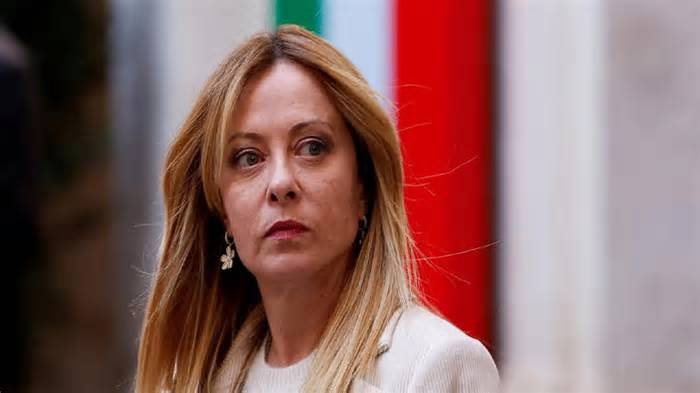
Prime Minister Giorgia Meloni’s administration announced the measures to address integration challenges and classroom dynamics in public schools. The sweeping legislative changes affect students and educators nationwide as academic institutions prepare for upcoming terms.
This policy announcement has triggered intense political debate among lawmakers and civil rights advocates regarding civic inclusion.
The regulatory changes arrive as the government seeks to enforce stricter controls on cultural integration and language proficiency. Observers note that these reforms reflect broader European political trends focusing on national identity and public assimilation standards.
Critics argue the measures marginalize immigrant communities, while supporters insist the rules ensure orderly learning environments.
Italy decrees limits on foreign students
The cabinet agreed to implement strict caps on non-Italian speakers to improve language acquisition and educational outcomes. Under the new guidelines, classrooms will face specific restrictions regarding the proportion of enrolled foreign pupils.
Education ministers argue these caps prevent ghettoization and encourage faster assimilation into Italian society. Opposition politicians quickly condemned the policy shift, accusing the administration of pandering to right-wing voters.
- Caps placed on non-native speakers in classrooms
- Restrictions targeting full-face veils including the burqa and niqab
- Mandatory language proficiency benchmarks for new enrollees
- Implementation timelines set for the upcoming academic year
Additional provisions specifically target religious attire within school grounds. The government formally agreed to ban the burqa and niqab in all educational facilities. Proponents of the dress code ban state that face coverings hinder communication and compromise institutional security.
Human rights organizations have criticized the ban as an infringement on personal expression and religious freedom.
The debate over immigration and cultural norms remains a central pillar of domestic politics. Analysts point out that Italy decrees limits on educational inclusivity as part of a wider electoral strategy. The administration maintains that these regulations protect public order and national heritage values.
As the legislation moves toward full implementation, educational authorities face logistical hurdles in redistributing students. Local school boards must draft compliance frameworks before the new academic term begins.
Public demonstrations and legal challenges from advocacy groups are expected in the coming weeks as families react to the enforcement measures.
Background and next steps
Italy decrees limits on non-Italian speakers and veils in school classrooms AP NewsItaly ministers agree to ban burqa and niqab in school and cap foreigners in class BBCMeloni accused of election shift to right after ’shameful’ cap on foreign children in classrooms The GuardianItaly Moves to Cap Number of Foreign Students in Its Classrooms The New York TimesMeloni government bans burqas, caps foreign students in Italian schools Al Jazeera
The story remains in motion, and readers should watch for official updates as more facts are confirmed.
Public interest is likely to stay high while new details emerge from reporters and officials.
Early claims should be treated cautiously until primary sources corroborate them.
Coverage of Italy decrees limits on continues to evolve as more details become available.
Web story: Italy Caps Foreign Students, Bans Veils in Classrooms