
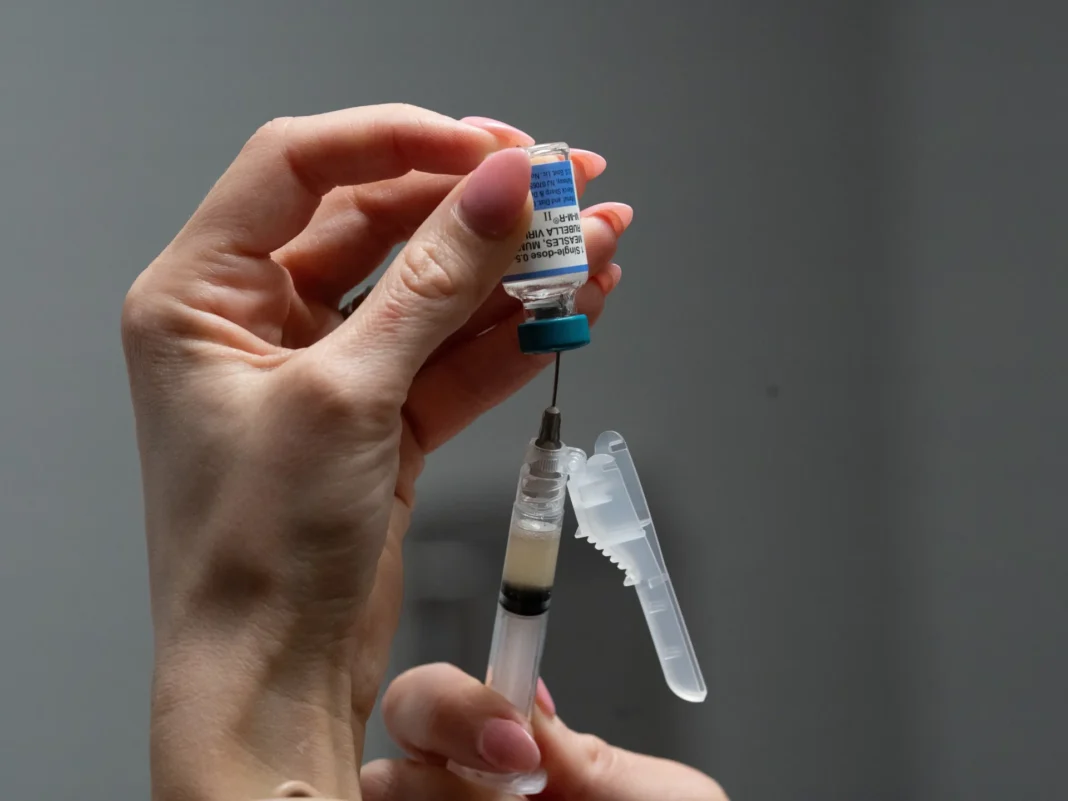


New York state declares a state disaster emergency as health officials respond to a measles outbreak spreading through rural communities.
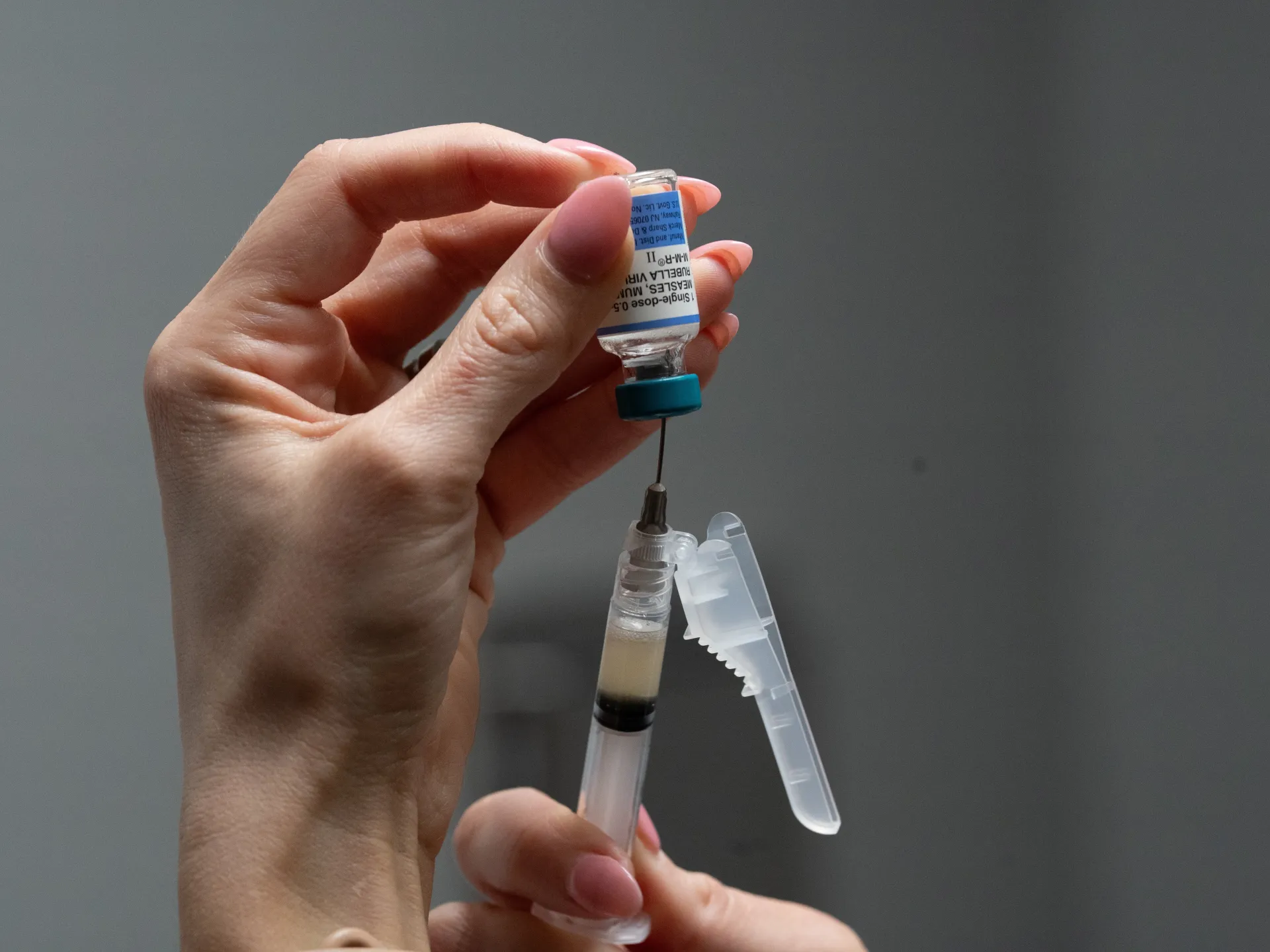
Governor Kathy Hochul issued the executive order following a concerning rise in cases, marking a significant escalation in public health measures.
This declaration marks the first major disaster emergency for measles in the United States since the previous major surge in 2025, triggering immediate state interventions to contain the highly contagious disease.
The sudden escalation underscores the vulnerability of specific regions to highly preventable viral infections. With vaccine coverage fluctuating, the state is prioritizing resource deployment to prevent a wider epidemic.
This urgent action is critical because measles is extremely transmissible and poses severe risks to unvaccinated populations, particularly young infants and individuals with compromised immune systems.
How New York state declares an Emergency to Mobilize Resources
By executing this order, New York state declares a rapid mobilization of medical resources to assist local health departments. State agencies can now bypass administrative barriers to deploy staff, vaccines, and diagnostic tools directly to affected counties.
The immediate catalyst for this emergency order is a cluster of confirmed infections. Specifically, four measles cases were recently verified in rural Ontario County, prompting local health departments to issue urgent public alerts.
Health officials are actively tracing contacts of the infected individuals across several counties. The goal is to quickly identify and isolate exposed persons before further secondary transmission occurs. Epidemiological contact tracing remains a cornerstone of the state’s public health containment strategy.
The emergency declaration enables several critical response measures:
- Direct deployment of state emergency funding to local healthcare systems.
- Streamlined distribution of the measles, mumps, and rubella (MMR) vaccine.
- Enhanced surveillance and mandatory reporting protocols for regional hospitals.
- Expanded authority for pharmacists to administer vaccines to younger demographics.
When New York state declares such an emergency, it signals that neighboring regions must increase vigilance. The resurgence of measles in the United States remains a concern for epidemiologists who warn against localized immunity gaps.
Local administrators in Ontario County are coordinating with state authorities to establish temporary vaccination clinics. They urge residents who are unsure of their immunization status to seek immediate testing or vaccination. These local clinics represent the frontline of the containment effort.
Medical experts emphasize that the MMR vaccine remains the most effective defense against the virus. They warn that misinformation regarding vaccine safety has contributed to lower immunization rates in rural communities. Addressing these informational gaps is a priority for state health educators.
Because New York state declares this emergency, public health departments can initiate targeted vaccination campaigns. These focused efforts aim to quickly establish herd immunity in rural communities where immunization levels have fallen.
The economic impact of this health crisis concerns local businesses and schools. Prolonged quarantines could disrupt daily operations if transmission continues unchecked. State officials hope early interventions will prevent widespread closures.
State epidemiologists are monitoring transmission patterns to determine if the outbreak has spread beyond the currently identified clusters. Early data suggests the current cases are epidemiologically linked, but community transmission remains a potential threat. Continued testing will reveal the true scale of the current outbreak.
The executive order will remain active until health officials observe a sustained decline in cases. Regular monitoring will dictate whether further interventions are required. State agencies stand ready to adjust resources as needed.
As the situation unfolds, New York state declares its commitment to maintaining clear public communication. Officials will provide regular updates regarding case counts and vaccine availability to guide municipal response efforts.
The coming weeks will be critical in determining whether the state’s aggressive response can successfully halt the resurgence of this preventable disease. Public compliance with quarantine protocols and health recommendations will play a decisive role in the outcome.