


Pakistan has locked down major regions and implemented emergency measures to curb escalating political unrest surrounding the opposition Pakistan Tehreek-e-Insaf (PTI) party.
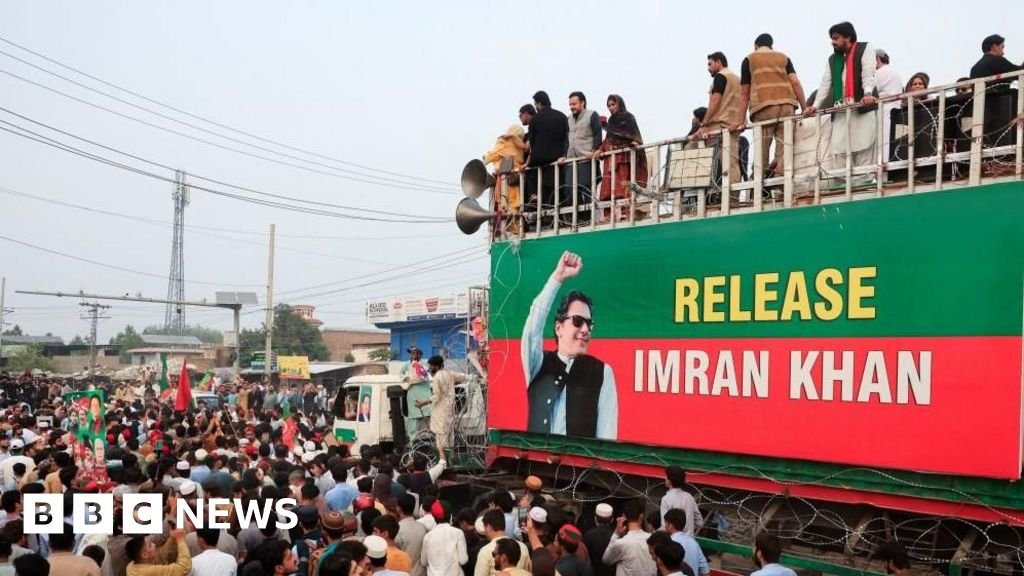
Authorities across the country acted decisively to stifle opposition momentum following intense demonstrations linked to imprisoned former Prime Minister Imran Khan.
The sweeping crackdown has drawn international attention from the United States and global observers monitoring democratic stability in the region.
The sweeping government actions mark a critical escalation in the ongoing political crisis that has gripped South Asia for months. By targeting key geographic areas, federal administrators aim to neutralize the organizational capacity of the PTI party.
However, regional analysts and international media outlets warn that these heavy-handed tactics could severely backfire by galvanizing public dissent.
Why Pakistan Has Locked Down Key Regions
Security forces have heavily restricted movement across vital territories to prevent large-scale rallies. The federal response includes stringent emergency rule provisions designed to suppress any resurgence of public demonstrations.
- Deployment of heavy security forces in sensitive urban sectors.
- Implementation of strict curfew-style restrictions on public assembly.
- Suspension of normal administrative functions in targeted provincial zones.
In addition to territorial restrictions, law enforcement agencies launched a massive sweep targeting political figures. Reports confirm that Pakistan has locked down administrative functions while detaining hundreds of prominent politicians affiliated with Imran Khan’s PTI party.
This widespread detention wave has effectively crippled the daily operations of the primary opposition movement.
Critics of the ruling administration argue that the crackdown represents an alarming regression for democratic norms. Bilawal Bhutto Zardari publicly criticized the PTI strategy, describing their local governance approach as a political suicide attack on their own provincial administration.
This internal political friction has further complicated an already volatile legislative environment.
The decision by federal authorities to enforce emergency powers highlights the severe pressure facing the current government.
Because Pakistan has locked down the primary regional stronghold of the former prime minister, tensions between state institutions and populist supporters have reached a boiling point.
Observers note that previous attempts to silence the movement have consistently triggered stronger populist resistance.
As the situation continues to unfold, international monitors are closely evaluating the long-term ramifications of the government strategy. The ongoing detentions and emergency decrees threaten to deepen the political polarization dividing the nation.
Future stability will largely depend on how civilian and military leaders manage the mounting fallout from these security operations.
Background and next steps
Pakistan has locked down Imran Khan’s stronghold – but it could backfire BBCPakistan imposes emergency rule over Imran Khan’s provincial government ReutersPakistan detains hundreds of politicians from Imran Khan’s PTI party The GuardianPTI carried out ‘political suicide attack’ on its own KP govt, says Bilawal DawnPakistan imposes emergency rule in former prime minister’s stronghold NPR
The story remains in motion, and readers should watch for official updates as more facts are confirmed.
Public interest is likely to stay high while new details emerge from reporters and officials.
Early claims should be treated cautiously until primary sources corroborate them.