
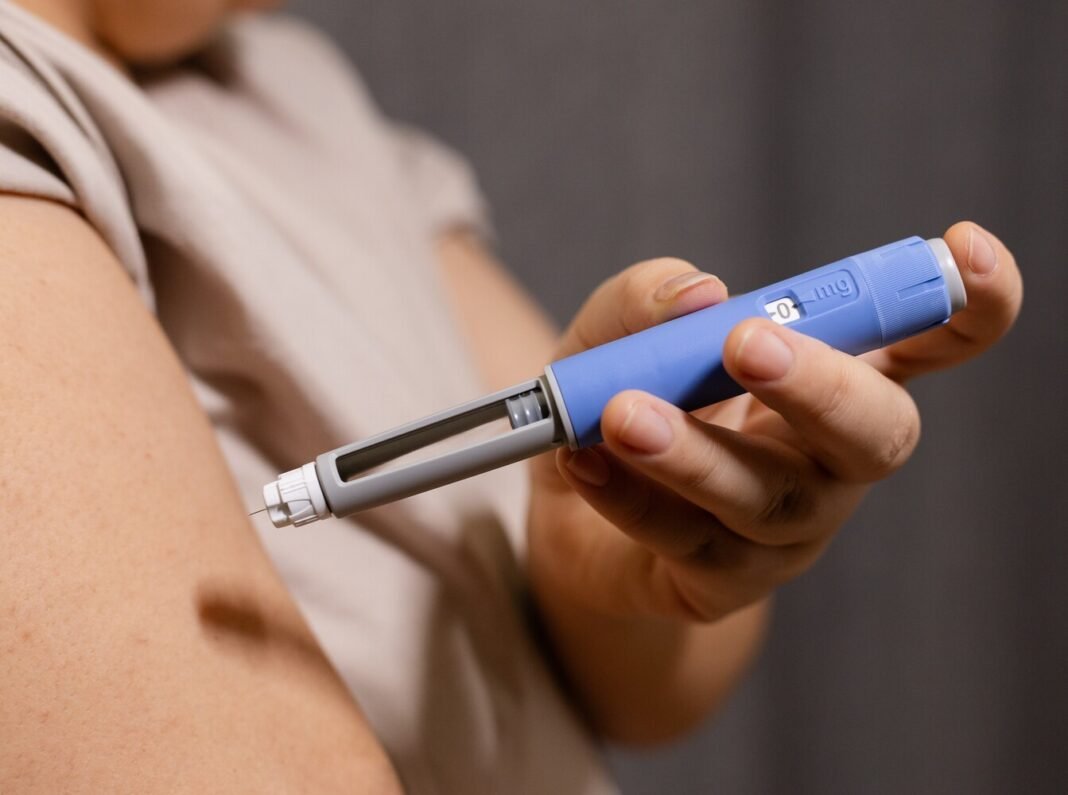


The Ro GLP-1 business has carried the telehealth company past a $3 billion annualised revenue run rate, chief executive Zachariah Reitano said in an account of the company’s turnaround published this week. Revenue has grown more than tenfold since Ro revamped its operations in 2022 and moved into weight-loss care. The growth has come largely from GLP-1 drugs, the weight-loss treatments that have reshaped the market for obesity care.
Ro began as Roman, a digital men’s health brand selling erectile dysfunction treatment online, and was founded in New York in 2017 by Reitano, Rob Schutz and Saman Rahmanian. It later added women’s health under the Rory brand, along with smoking cessation, fertility testing and primary care. The Ro GLP-1 shift began after growth stalled, and it has since become the company’s largest driver.
At the end of 2021, Ro was generating about $270 million in annualised revenue, with year-over-year growth slowing to roughly 9 per cent. The company had raised about $800 million over the previous five years but was struggling with slowing growth, high operating expenses and a business that had grown too complex. The Ro GLP-1 opportunity was not yet in view at that point. Reitano described the company then as a zombie, with too much cash to die and not enough growth to matter.
In August 2022, management began what Reitano called a refounding of the company, cutting staff, consolidating its brands and concentrating on fewer lines of business. The company parted ways with about seven vice presidents between January and May 2022, then cut its workforce by about 20 per cent in June. A further 6 to 8 per cent of employees left over the following 90 days. By October 2026, the workforce had fallen to 406 people, down from 596 in May 2022.
How the Ro GLP-1 business grew
Ro launched Ro Body, its weight-management programme, as part of the Ro GLP-1 push into weight care. Patients complete an online visit with a licensed clinician, who can prescribe treatment, and Ro delivers medicines through its pharmacy network. The company offers GLP-1 medicines such as Wegovy and Zepbound alongside clinical support, coaching and help with insurance.
Demand for the drugs has been strong since 2023, when supplies were short and many patients turned to telehealth companies for access. The medicines were first developed for type 2 diabetes and have proved highly effective for weight loss. The Ro GLP-1 programme sits at the centre of that growth. Ro says it has served millions of patients, reaching more than 1 per cent of the population of the United States, and describes itself as the nation’s leading GLP-1 provider.
Celebrity promotion has been part of the push. Serena Williams has promoted Ro’s weight-loss treatments, and Megan Fox has also appeared in its marketing. Reitano has said the company’s marketing speaks directly to the stigma around weight loss, and that patients who pay for care themselves get lower prices and better service.
What the Ro GLP-1 revamp changed
The revamp changed how the company is run as well as what it sells. Reitano credited regular operational meetings and close coordination across teams with helping the company move faster. Annualised revenue per employee has risen more than tenfold over four years, and personnel and operating expenses have fallen to less than 15 per cent of net revenue. The Ro GLP-1 business has kept adding weight-loss treatment options through 2026, including Eli Lilly’s oral drug Foundayo and the Zepbound KwikPen.
Ro also cut what did not work. It discontinued more than 10 products and gave up over $50 million in direct-to-consumer revenue tied to poor unit economics. It ended business-to-business work, including technology supporting Amazon Care, clinical trial services for Siemens and at-home laboratory testing for Prudential. The Ro GLP-1 business benefits when drugmakers cut direct prices, because lower prices bring in more patients.
Ro has also struck deals with the drugmakers. In 2026 it began offering Wegovy savings with Novo Nordisk, and in January it announced a research collaboration with Amgen on barriers to obesity care. Once drugmakers began selling GLP-1 drugs directly to patients, prices dropped from $1,300 to $149, Reitano said in a podcast interview this week.
What Ro says comes next
The company’s aim, Reitano said, is to build a single healthcare platform where patients can manage several conditions in one place. His argument is that where patients pay directly, costs fall and care improves, because the patient becomes the customer. The Ro GLP-1 business now accounts for the largest share of its growth, and the company says it will keep adding treatment options and clinical services around weight loss.