
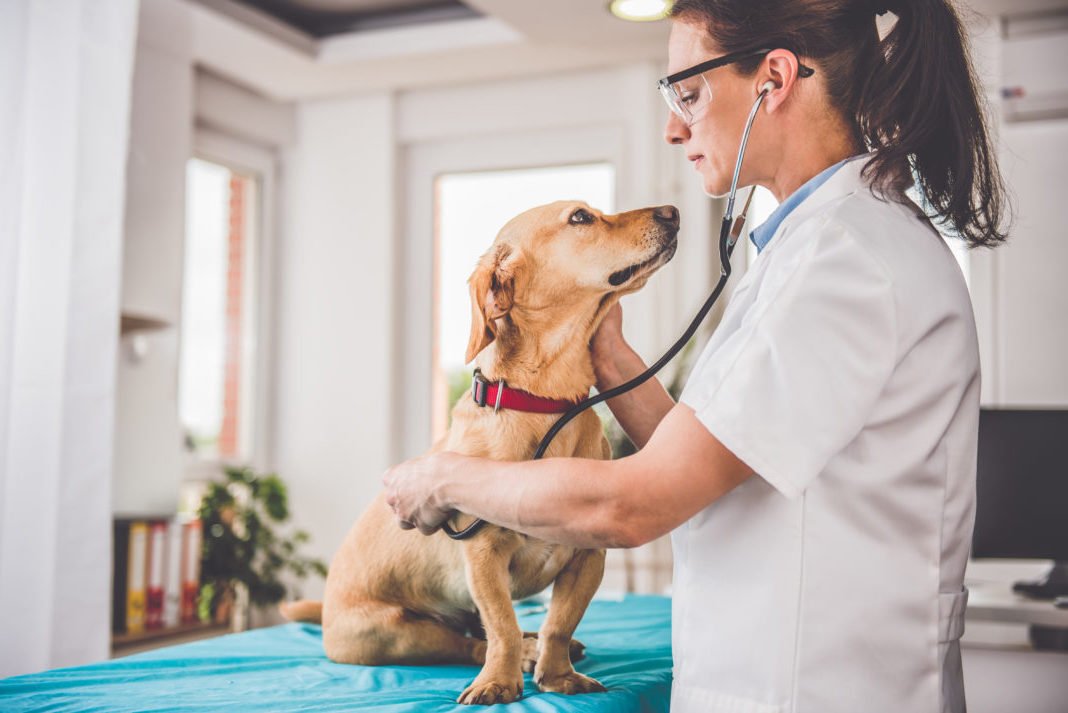


The US Food and Drug Administration (FDA) on November 3, 2026 issued an emergency use authorisation for Merck's Bravecto tablets as a screwworm treatment for dogs and puppies, expanding treatment options against the parasite. Reuters reported the decision on November 3. The authorisation was issued to Intervet, Merck's US animal health unit.
New World screwworm is a parasitic infestation in which fly larvae feed on living tissue, often in wounds. The FDA said most dogs in the United States remain at low risk from screwworm because confirmed cases are limited to a restricted geographic area. Dogs living in, travelling to, or returning from affected regions should be monitored for signs of infestation, including visible maggots or foul smelling wounds, the agency added.
Bravecto's active ingredient is fluralaner. The drug is already approved for certain flea and tick related uses in dogs and puppies. The new authorisation covers a different use: treatment of screwworm infestations, under emergency conditions, when used as authorised. The FDA said it concluded, based on available scientific evidence, that it is reasonable to believe Bravecto may be effective in treating screwworm infestations and that its potential benefits outweigh its risks when used as authorised.
How the screwworm treatment authorisation works
Emergency use authorisations allow the use of unapproved treatments during public health threats when no alternatives are available, according to the FDA explanation cited by Reuters. The authorisation does not turn Bravecto into an over the counter product for this use. The FDA said the drug will remain available only by prescription through a licensed veterinarian.
That prescription limit for screwworm treatment matters for two reasons. A veterinarian must first confirm that a dog has a screwworm infestation, rather than another wound problem that looks similar. Screwworm treatment also needs to fit the dog's age, weight and health history, and the veterinarian can watch for side effects after dosing. Owners who suspect screwworm and may need screwworm treatment should contact a veterinarian promptly rather than waiting to see whether a wound improves on its own, because larvae feed on living tissue and a wound can worsen quickly.
Bravecto belongs to a class of antiparasitic medicines called isoxazolines. The FDA noted that drugs in this class have been associated with neurological side effects such as muscle tremors, loss of coordination and seizures. The agency weighed that known risk profile against the evidence for effectiveness in screwworm cases and concluded the benefits outweigh the risks when the drug is used as authorised. Veterinarians will be expected to discuss that risk with owners before screwworm treatment, especially for dogs with a history of seizures or neurological problems.
Why screwworm treatment matters to veterinarians
A return in a restricted area still draws a fast response, because wounds left untreated can become severe. Dogs are not the only animals at risk, but the November 3 authorisation gives veterinarians a specific prescription option for dogs and puppies, alongside existing wound care and parasite control measures.
The FDA statement does not name the restricted geographic area in the Reuters summary, and it does not give a case count for dogs. The risk split is the practical guide for owners: low risk for most dogs, higher attention for dogs in or returning from affected regions. A dog that has not travelled to an affected region and has no wound with maggots or a foul smell is not in the group the agency is warning about.
For dogs in the higher attention group, visible maggots in or around a wound are the clearest sign. A wound that smells foul, grows larger, or fails to heal also warrants a veterinary visit. Owners should not try to remove larvae themselves, because incomplete removal can leave larvae behind. A veterinarian can examine the wound, confirm the diagnosis, and decide whether screwworm treatment fits the case.
What dog owners should do now
Owners in affected regions should check dogs for wounds after outdoor activity. Dogs travelling to an affected region should be checked on return. Any wound with maggots, a foul smell, or rapid worsening should prompt a call to a veterinarian the same day.
The veterinarian, not the owner, decides whether this screwworm treatment is appropriate for a given dog. The drug is prescription only for this screwworm treatment use, and the authorisation was issued to Intervet, Merck's US animal health unit. Owners should tell the veterinarian about prior neurological problems and current medicines before prescribing.
The November 3 decision adds one more tool for a parasite that veterinarians would rather not see return. It does not replace wound care, and it does not remove the need for prompt diagnosis. For dogs in affected areas, early checks, a veterinary diagnosis, and screwworm treatment given as authorised is the route the FDA has now opened.