
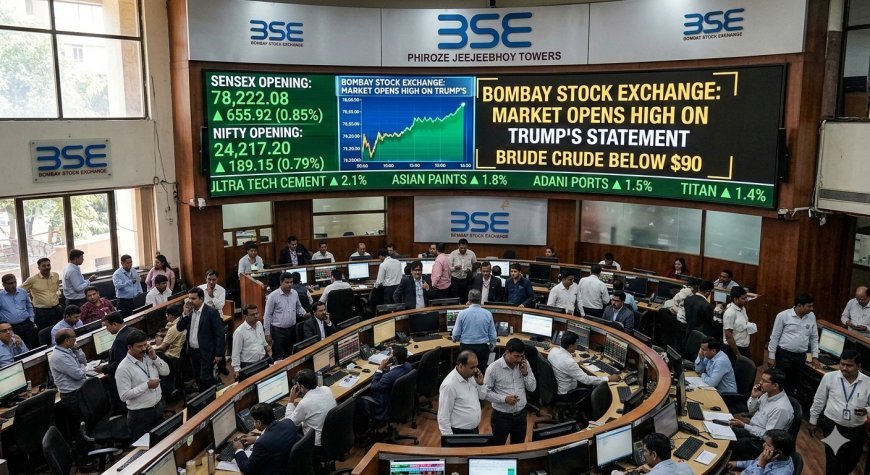


The Sensex gains reached their peak on Friday, 6 November, as the BSE Sensex closed 1,718 points higher at 81,028.02 and the NSE Nifty 50 rose 494 points to 25,030.35. The two benchmarks ended the week with gains of about 8.8 per cent and 8.6 per cent, their strongest weekly rise since February 2021. The move came in a week when the Nasdaq suffered its steepest single-day fall in 19 months, and it capped seven straight sessions of gains for Indian shares. The Nifty crossed 24,900 for the first time since 27 February 2026 during the week.
What drove the Sensex gains
Foreign buying drove much of the Sensex gains. Foreign investors bought shares worth about Rs 15,000 crore on Thursday, 5 November, their biggest single-day net purchase in nearly six years, according to provisional exchange data. Over the week, foreign portfolio investors bought about Rs 45,960 crore of Indian shares, Business Standard reported, while domestic institutions were net sellers of about Rs 24,197 crore. The return of foreign money followed months of selling, and it arrived as global investors pulled back from artificial intelligence stocks after the Democrats’ wins in the United States midterm elections raised the prospect of tighter rules for data centres.
Cheaper oil added to the lift. Brent crude slipped below $100 a barrel during the week, a level that matters for India because the country imports most of its oil. Lower prices cut the import bill, ease pressure on inflation and leave the Reserve Bank of India with more room on interest rates. Brent moved back towards $100 on Friday, a reminder that the relief could fade if tensions in West Asia flare again.
Sensex gains led by banks and auto stocks
Banks led the Sensex gains. HDFC Bank rose 13.8 per cent in the week and ICICI Bank gained 12.4 per cent, their strongest weekly rises in about six years. Lenders gain when rate cut hopes rise, because cheaper borrowing can lift credit growth and ease stress on loan books. Auto makers also rose, helped by lower fuel costs and stronger consumer demand before Diwali. Software shares joined the buying on Friday, with Infosys up about 2 per cent in early trade, as investors judged Indian technology firms less exposed to the global selloff in chip makers.
The Sensex gains added about Rs 29.57 lakh crore to the combined market value of companies listed on the BSE since 28 October, taking the total to Rs 503.11 lakh crore. Since that date the Sensex has climbed 7,782 points, or 10.62 per cent, and the Nifty has advanced 2,331.50 points, or 10.27 per cent. The Nifty closed above 25,000 for the first time since 27 February 2026, and the Sensex ended at its highest level in more than eight months.
What the Sensex gains mean for investors
The scale of the Sensex gains stood out against the global picture. The Nasdaq Composite fell 5.5 per cent on Thursday, its steepest single-day drop in 19 months, and the Philadelphia Semiconductor Index tumbled more than 12 per cent. In Asia on Friday, South Korea’s Kospi fell more than 8 per cent in early trade and triggered a brief trading halt, while Japan’s Nikkei closed about 6 per cent lower. Hong Kong and Sydney proved more resilient than Seoul and Tokyo, but the selling still spread across the region. Indian shares opened lower and then turned higher, with the Sensex up more than 1,000 points by early afternoon.
The week also closed the books on Samvat 2082, the Hindu year that ended with Diwali. Over that year the Nifty fell 2.6 per cent and the Sensex shed 3.5 per cent, so the seven-session rally repaired only part of a longer slide. Whether the Sensex gains hold depends on the same forces that drove them. Crude prices can turn quickly, foreign flows have reversed before after short bursts of buying, and earnings for the September quarter have been mixed so far.
For now, the market will open for a special one-hour Muhurat trading session on Sunday, 8 November, to mark Diwali Laxmi Pujan, before normal trading resumes on Monday. Investors will watch the open for signs that the Sensex gains have staying power, and whether the buying spreads beyond banks and the largest stocks.