
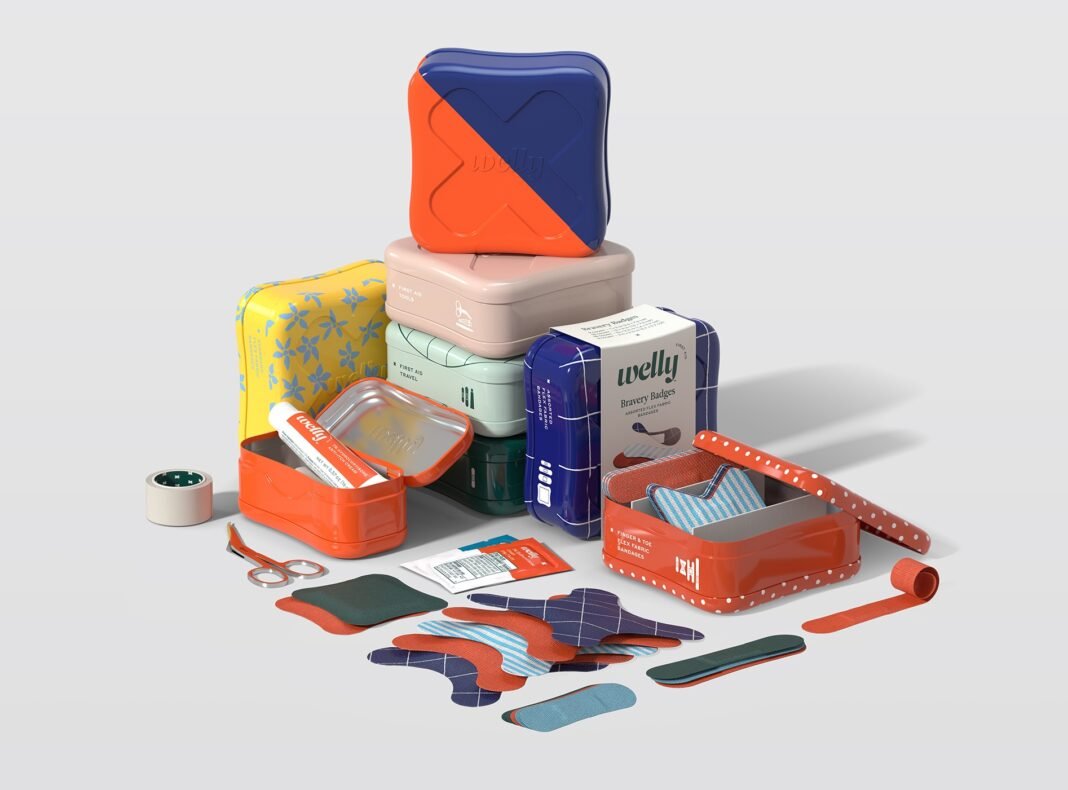


The Unilever Welly sale is done. Unilever has struck an agreement to sell Welly, the brand known for its colourful bandages, to private-equity firm Forward Consumer Partners, the companies’ executives told The Wall Street Journal in an exclusive report published on Sunday.
Unilever is not disclosing the terms of the Unilever Welly sale, which was set to be announced on Monday. The deal marks the consumer-goods giant’s latest effort to clean up its sprawling portfolio of businesses, following a series of divestitures that have reshaped the company in recent years.
Welly’s products include colourful adhesive bandages, first-aid kits and bug-bite relief patches, and the brand has been part of Unilever’s beauty and well-being segment. That division also houses brands such as Dove soap, Vaseline jelly and Liquid I.V. drink powders.
The Unilever Welly sale brings back the founder
Unilever acquired Welly in 2021 from its founder Eric Ryan. As part of the deal, Forward Consumer Partners is expected to bring Ryan back as a strategic adviser and board member, reuniting the brand with the entrepreneur who built it.
Ryan is a serial founder in consumer goods. He previously co-founded the cleaning-products maker Method and the vitamin-and-supplements brand Olly, the latter of which was also sold to Unilever. His return suggests the private-equity buyer sees Welly’s best growth ahead with its original architect back in the building.
Forward Consumer Partners was started by ex-L Catterton partner Matt Leeds. Other brands in its portfolio include Justin’s peanut butter, Firehook crackers and Xochitl tortilla chips, a roster that shows the firm’s appetite for founder-led, design-forward consumer brands.
Why the Unilever Welly sale fits the portfolio clean-up
The Unilever Welly sale is the latest step in a sweeping simplification of the company. Unilever has been focused on streamlining itself, pivoting away from food and concentrating on beauty, personal-care and home products. It spun off its ice-cream arm into a business now known as Magnum Ice Cream, sold its tea unit and divested its margarine and spreads brands.
Earlier this year, Unilever agreed to merge its food segment with spice giant McCormick, and it also agreed to acquire another supplements business, Gruns, for more than $1 billion. The Unilever Welly sale sits squarely in that pattern: pruning smaller, non-core labels while doubling down on brands with the scale to lead their categories.
The broader industry is moving the same way. Food-and-beverage and consumer-products companies have been trying to freshen up or hive off dated brands and scoop up promising upstarts that resonate more with younger consumers. Colourful, playful and digitally native, Welly fits the upstart mould far better than it fits a conglomerate’s shelf.
Dealmakers say the transaction also underlines private equity’s appetite for carve-outs from consumer giants. Such brands often grow faster once freed from the approval chains and portfolio priorities of a multinational, and Welly’s colourful, design-led identity gives Forward Consumer Partners a recognisable asset to build around.
What the Unilever Welly sale signals for consumer deals
For Forward Consumer Partners, the deal is a classic private-equity play: buy a brand with strong consumer recognition and a founder willing to return, then accelerate it outside the bureaucracy of a multinational. The firm’s track record with Justin’s and Xochitl suggests a playbook of focused investment in brands that punch above their weight.
For Unilever, the Unilever Welly sale is another line item in a divestiture programme that has made the company leaner and more beauty-focused. Each sale frees management attention and capital for the power brands the company believes can win globally.
And for Welly itself, the Unilever Welly sale may be a homecoming of sorts. Five years after being absorbed into a consumer-goods empire, the bandage brand is back in entrepreneurial hands, with its founder advising and a private-equity owner built for exactly this kind of brand. For shoppers, little will change at first: the same colourful bandages, first-aid kits and bug-bite patches, now with an owner focused on growing them.