
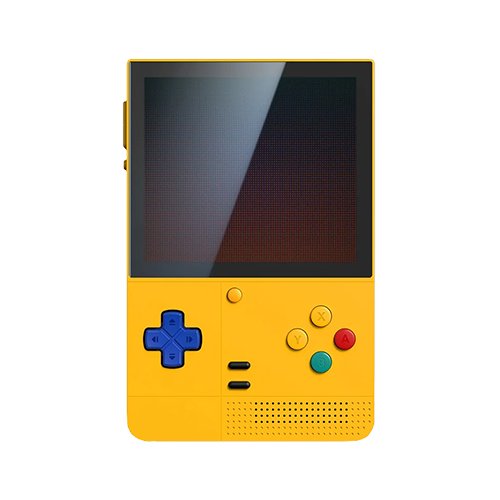


The Asus ROG Xbox Ally X20 is the prettiest, most comfortable gaming handheld money can buy — and at $1,300, it had better be. The OLED refresh of last year’s Xbox handheld has earned glowing reviews for its gorgeous 7.4-inch display, anti-drift controls, and refined ergonomics, even if its ageing processor keeps it from claiming the outright performance crown.
The headline change is the screen. The Xbox Ally X20 swaps the original’s 7-inch LCD for a 7.4-inch Nebula OLED panel, achieved by trimming the bezels for a fuller look. It claims 1,000-nit peak brightness in HDR and 600-nit in SDR, supports VESA DisplayHDR True Black 1000 with a 120Hz refresh rate and AMD FreeSync — and an anti-reflective coating cuts the glare that plagues glossier rivals like the $2,000 Legion Go 2.
Asus also reworked the controls from the ground up. The old joysticks are gone, replaced with TMR sticks that use tunnelling magnetoresistance — a magnetic sensing technology that greatly reduces the false inputs caused by stick drift. Metallic caps and RGB effects that track stick movement add flair, while Hall Effect triggers and a transforming D-pad round out the inputs. Textured grips on the back complete the comfort overhaul, addressing the most common complaints about the original Ally X.
Under the hood, however, the Xbox Ally X20 carries the nearly two-year-old AMD Ryzen Z2 Extreme — the same chip as the previous version. Gizmodo’s review found performance is not up to snuff with this year’s Intel handhelds, particularly the $1,800 MSI Claw 8 EX AI+ and its Intel G3 Extreme chip, which delivers more stable framerates. For $500 more, Intel buys speed; the X20 buys beauty.
Xbox Ally X20 Display and Comfort Impress
Reviewers agree the Xbox Ally X20 looks and feels the best of any premium handheld in 2026. Console Creatures awarded it 9 out of 10, praising the gorgeous OLED screen, TMR joysticks, Hall Effect triggers, and impressive battery life, calling it immensely comfortable for long play sessions. One Canadian review went further, calling it the best gaming handheld the reviewer had ever used.
Asus refined the thermals to handle the OLED’s extra heat, added more vents, and adjusted the side of the device and face buttons so the B button no longer sits proud against the edge. Even in a dim conference hall, hands-on testers found the screen surprisingly bright and clear. The grippy back and modified controls make long sessions easy on the hands. Asus clearly learned from the Steam Deck OLED playbook: better screen, better thermals, better battery.
Xbox Ally X20 Price and Bundle Options
The standalone Xbox Ally X20 costs $1,300 — a hard pill to swallow, as multiple reviewers noted. Asus also sells a $2,500 bundle pairing the handheld with Xreal R1 glasses in a giant Pelican case, though reviewers questioned whether buyers drawn to the OLED screen would want another screen strapped to their face. In Canada, the standalone launched October 15 at $1,899 CAD.
The price reflects the broader RAM and storage crisis squeezing device makers this year. A Steam Deck OLED with 1TB now costs $950, and premium Windows handhelds have climbed well past $1,000 across the board. Asus is betting that the X20’s screen and comfort justify its position near the top of that ladder. The days of the $399 handheld PC are firmly behind us, and buyers have clearly adjusted their expectations accordingly.
Should You Buy the Xbox Ally X20?
For shoppers who want the prettiest Windows gaming handheld and can comfortably afford it, reviewers say yes — the Xbox Ally X20 earns its recommendation. Existing Ally X owners need not rush to upgrade, and performance-first buyers should look at Intel-based rivals. But for everyone else, this is the handheld that makes even satisfied owners consider selling their current device.
Gizmodo’s verdict sums it up: a device easy to fall in love with, even if other handhelds tempt with better framerates. The Xbox Ally X20 does not reinvent the handheld — it perfects it. At $1,300, perfection had better be the goal.