
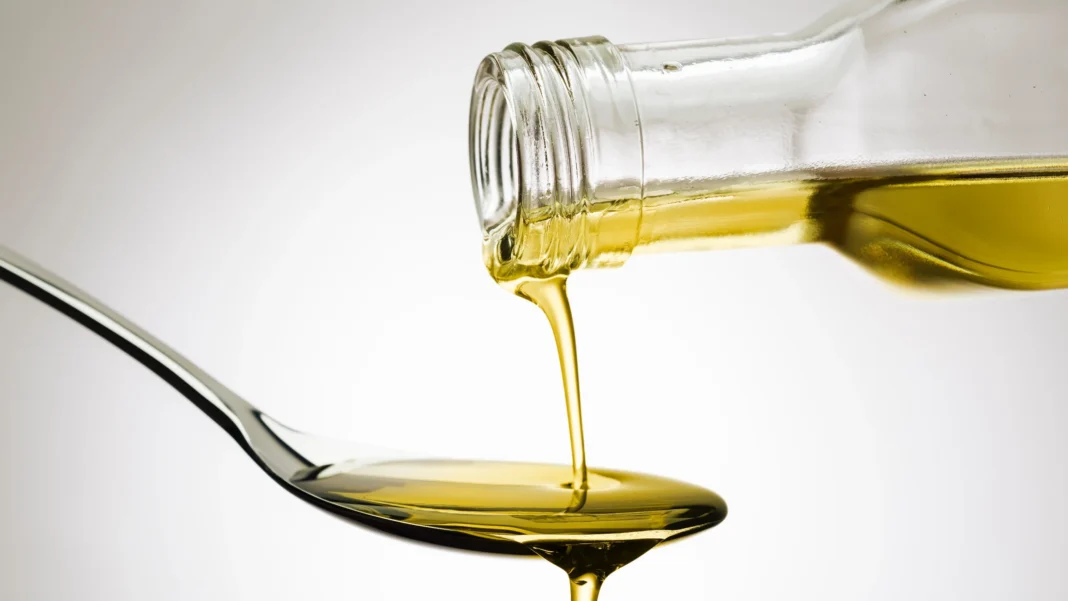


Scientists Had Mice Eat a small portion of olive oil before consuming carbohydrates, and the surprising result fundamentally changed their blood sugar response.
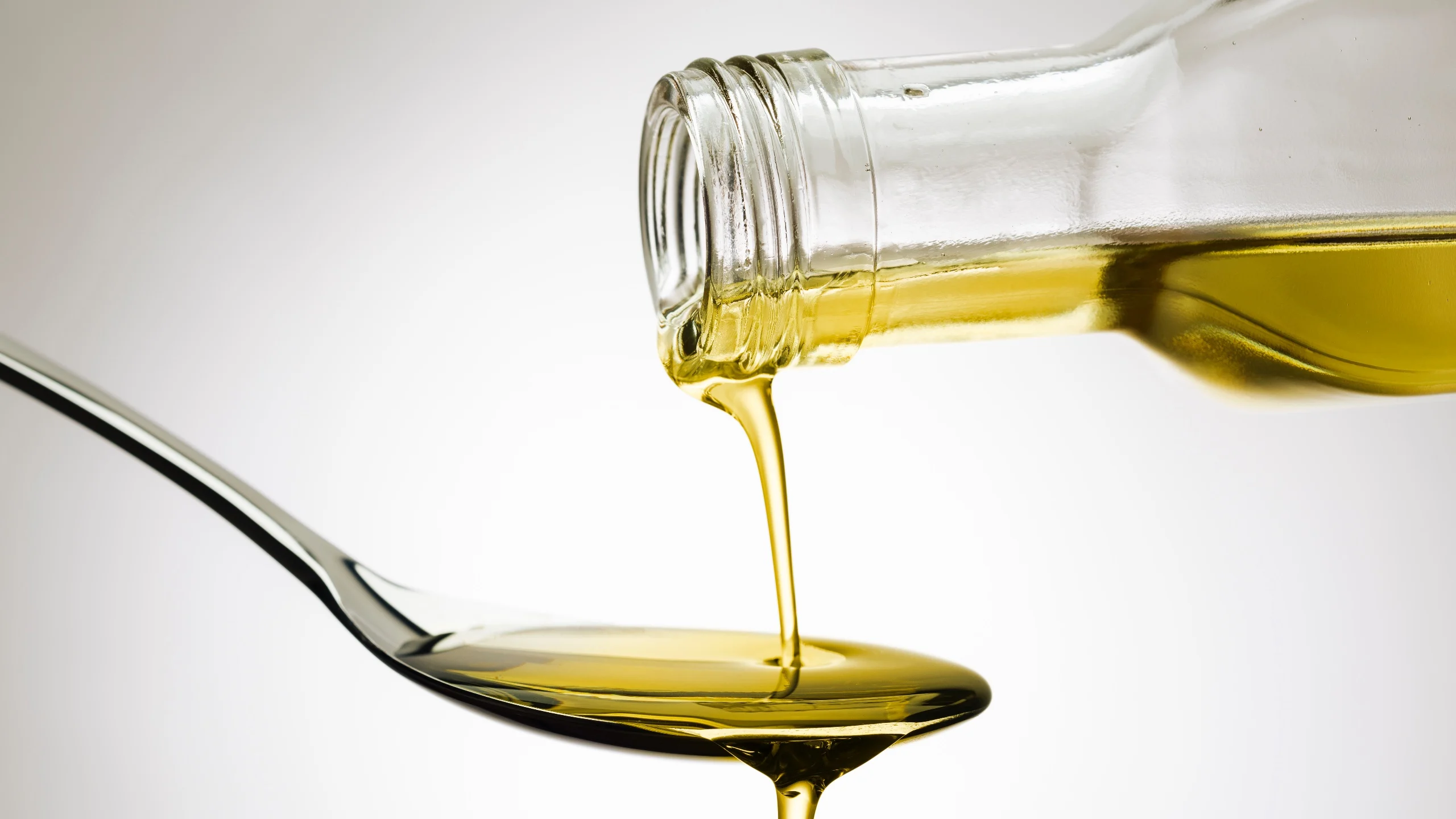
Researchers across the United States initiated this health study to investigate whether strategic fat consumption could mitigate rapid glucose absorption.
The biological mechanisms driving this reaction involve a complex interplay of digestive hormones and specific nerve signals traveling from the gut to the brain. Understanding this physiological process offers fresh perspectives on dietary management for metabolic stability.
Controlling glucose spikes remains a central challenge in modern preventative health and nutrition science. Rapid glycemic fluctuations contribute significantly to long-term metabolic strain and chronic health complications.
By discovering that pre-meal fats alter carbohydrate digestion, researchers have opened new pathways for nutritional interventions. This investigation centers on simple dietary adjustments that do not require radical caloric restriction or complex pharmaceutical support.
Why Scientists Had Mice Eat Olive Oil
Clinical observations during the experiment revealed that consuming approximately fifteen milliliters of olive oil prior to carbohydrates slows gastric emptying. This delayed transit time ensures that glucose enters the bloodstream at a much steadier, more manageable rate.
- Pre-meal fat ingestion reduces sudden glycemic surges.
- Digestive hormones slow down stomach emptying.
- Nerve signals communicate fullness and metabolic pacing.
The laboratory tests specifically measured how murine subjects processed simple sugars following the administration of plant-based lipids. The data demonstrated a clear flattening of the postprandial glucose curve compared to control groups that ingested carbohydrates alone.
Researchers are carefully mapping the exact timeline of these hormonal releases to understand the full biochemical cascade.
These findings suggest that the timing of macronutrient intake is just as critical as the total volume of food consumed.
Modifying the sequence of a meal could serve as an effective, accessible tool for individuals seeking to maintain stable daily energy levels.
Experts emphasize that the physical barrier created by the lipids plays a mechanical role in slowing down enzymatic breakdown in the digestive tract.
Future investigations will aim to validate these laboratory findings in broader clinical trials involving human subjects. Researchers must determine the precise dosages and optimal timing required to replicate these metabolic benefits safely in humans.
Ongoing data analysis will examine long-term impacts on insulin sensitivity and overall metabolic health. As these trials progress, nutrition scientists anticipate publishing more comprehensive timelines for potential dietary recommendations.
Background and next steps
Scientists Had Mice Eat Olive Oil Before Carbs, And It Changed Their Blood Sugar Response ScienceAlertEating only 15-ml olive oil before having carbs can have a positive impact on blood sugar spike, in an experiment on mice scientists are tracing the effect to a combination of digestive hormones and nerve signals The Times of IndiaOlive Oil 15 Minutes Before Carbs May Mean Better Blood Sugar MindBodyGreenOlive Oil Before Carbohydrate Consumption Mitigates Rapid Rise in Blood Sugar LabrootsEating olive oil before carbs could change how your body handles sugar Tech Explorist
The story remains in motion, and readers should watch for official updates as more facts are confirmed.
Public interest is likely to stay high while new details emerge from reporters and officials.
Early claims should be treated cautiously until primary sources corroborate them.
Coverage of Scientists Had Mice Eat continues to evolve as more details become available.
Readers watching Scientists Had Mice Eat should look for official updates in the coming hours.