
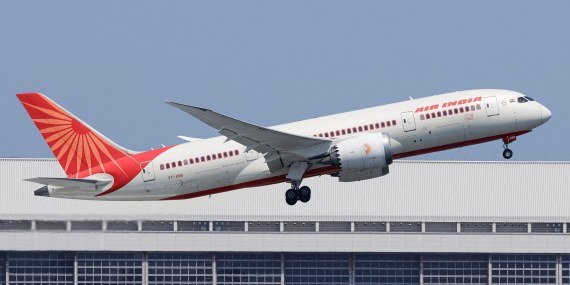


New Delhi, 28 October 2026: Air India Group widened its net loss to over 6,000 crore rupees in the first quarter of financial year 2026-27, against more than 3,000 crore rupees a year earlier. Industry sources told The Hindu BusinessLine that foreign exchange fluctuations, high fuel costs and airspace closures weighed on the April to June quarter. When contacted, the airline did not comment on the story. The Tata Group-promoted airline ended financial year 2025-26 with a consolidated loss exceeding 22,000 crore rupees, up from nearly 11,000 crore rupees in the preceding fiscal.
Insiders described the April to June quarter as a challenging operating environment, and conditions have since worsened as aviation turbine fuel costs rose. Fuel now accounts for over 50 percent of Air India operating expenditure, sources said. That share leaves little room when fuel prices climb, since the airline must buy fuel for every flight while ticket prices are set in a competitive market. The group is not publicly traded, so its quarterly figures reach the public through sources and shareholder disclosures rather than a stock exchange filing of its own.
Air India fuel bill and longer routes
Airspace restrictions have forced Air India services to Europe and North America to take longer routes, which increases flying time and fuel consumption while affecting crew deployment and aircraft utilisation. The airline had earlier estimated that Pakistan’s airspace closure could cost it around 4,000 crore rupees on an annualised basis. The closure has been in place since April 2025 and forces westbound flights to fly around Pakistani airspace.
The West Asia conflict has added to the disruption, and supply chain shortages have delayed parts of the fleet modernisation programme. The crash of flight AI-171 in June 2025 brought the airline under increased regulatory scrutiny. Air India new chief executive addressed employees on 28 September, outlining a shift towards profitable and sustainable growth, with attention to revenue per available seat kilometre and on controlling costs. A stricter approval matrix for expenditure has been set up, and an employee reward scheme will recognise ideas that reduce costs or improve revenue.
Air India forex losses add pressure
Foreign exchange fluctuations have added a second layer of pressure. Aircraft leases, maintenance contracts and other requirements involve foreign currency payments, mostly in dollars, while a large share of ticket sales are in rupees. When the rupee weakens, those dollar costs rise in rupee terms even if the underlying dollar price does not change. Consolidated forex losses rose to around 7,400 crore rupees in 2025-26 from around 1,500 crore rupees a year earlier, according to BusinessLine.
That swing in forex losses alone accounts for much of the deterioration between the two fiscal years. It also explains why the quarterly loss can widen sharply even in a quarter when passenger demand holds up. Fuel and foreign exchange together dominate the cost base, and both moved in the wrong direction for the airline during the April to June quarter. Airlines across the industry face the same pressures, the Air India chief executive wrote to staff, citing ongoing airspace closures, the Middle East conflict and persistently high jet fuel costs.
For comparison, IndiGo, the group’s largest rival, reported a loss of 382 crore rupees for the same April to June quarter, according to an earlier Outlook Business report based on Singapore Airlines disclosures. Singapore Airlines posted a net loss of 311.78 crore rupees from its 25.1 percent stake in Air India for the quarter ended June 2026. Based on those numbers, the provisional quarterly loss had been estimated at over 1,200 crore rupees before BusinessLine sources reported the fuller group figure of over 6,000 crore rupees.
What Air India faces for the rest of FY27
The months ahead will test whether the cost controls now being put in place can offset fuel and currency pressure. The group aims to double its fleet capacity and expand global routes over the next five years, backed by large aircraft orders placed with Airbus and Boeing in 2023 and 2024. Aircraft deliveries and the pace of profitable new routes will shape the turnaround. The group has also said it wants to turn India into a primary hub for international air travel, which depends on westbound routes that are currently lengthened by airspace closures.
Investors and lenders will watch the fuel bill, the forex line and the rerouting cost. If fuel prices ease or airspace reopens, the loss could narrow quickly. If both stay high, the airline will need fare increases, capacity discipline or deeper cost cuts. Air India has not commented publicly on the reported first quarter figure, and no official quarterly statement has been issued for it.