
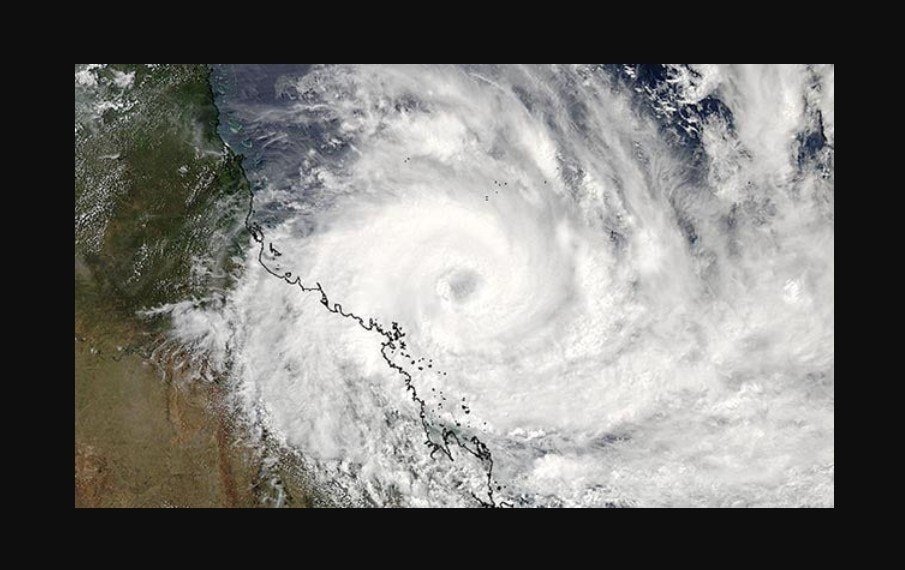


Cyclone Arnab weakened after making landfall along the Andhra Pradesh coast in the early hours of Wednesday, October 28, 2026, bringing heavy rain and strong winds to several coastal districts. The India Meteorological Department (IMD) had forecast that Cyclone Arnab would cross the Andhra Pradesh and Yanam coasts between Bapatla and Visakhapatnam as a very severe cyclonic storm, with sustained winds of 115 to 125 kmph and gusts of up to 140 kmph. Thousands of people were evacuated from vulnerable stretches along India’s eastern coast before the storm arrived, and some train and flight services were cancelled.
The IMD said wind speed over the landfall area was forecast at 125 to 135 kmph, gusting to 150 kmph, for the next four hours before decreasing gradually. A storm surge of 1.5 to 2.5 metres above normal tide was very likely to inundate low lying areas of Andhra Pradesh over the next six hours, the department said. The storm swept in from the Bay of Bengal, a region that has produced deadly storms on India’s east coast before. A super cyclone that killed nearly 10,000 people when it hit Odisha in October 1999 remains one of the country’s deadliest natural disasters.
As the storm crossed the coast, it uprooted trees and disrupted power supply in several places. High tidal waves had already inundated and breached a coastal road in Kakinada district on Tuesday, October 27, before landfall. In Visakhapatnam, waves crashed against the shore amid strong winds as Cyclone Arnab came ashore. In Machilipatnam, heavy rain caused waterlogging on several roads.
School closures as Cyclone Arnab moves inland
The Andhra Pradesh administration declared a school holiday in 11 districts as a precaution against Cyclone Arnab. Closure orders applied to schools under all managements in the affected districts. Most districts announced a holiday for October 27 and 28, while Anakapalli extended its closure to October 29. Chief Minister N. Chandrababu Naidu directed officials to remain vigilant and reviewed precautionary measures across the vulnerable districts.
District administrations will decide on reopening schools once weather conditions are reviewed, and parents have been advised to rely on notifications from local authorities. Odisha also shut schools in several districts and stepped up evacuation and relief arrangements, and schools in parts of Jharkhand were also expected to remain closed on October 29. Authorities urged residents of low lying and coastal areas to follow official advisories, stay indoors during peak wind conditions and avoid damaged structures and fallen power lines.
Fishermen warned as the storm weakens
Fishermen have been advised not to venture into the sea until October 29 as Cyclone Arnab weakens over land, while rough sea conditions and strong winds were still expected along the coast. The warning covers the period when rough sea conditions and strong winds were still expected along the coast. Officials asked fishing communities to wait for a clear advisory before returning to sea, since conditions can remain dangerous even after a storm loses strength.
Relief and repair work began in districts hit by Cyclone Arnab as the wind eased. Power supply restoration and clearing of uprooted trees were among the first tasks for local administrations in the districts hit by storm, alongside damage surveys in coastal areas. The state government had moved people from vulnerable coastal stretches to safer locations before landfall, and officials said advance preparations helped limit the damage.
Conflicting casualty reports after Cyclone Arnab
The office of Andhra Pradesh’s Chief Minister said no loss of life had been reported so far in the early hours after Cyclone Arnab made landfall, although trees were uprooted in several places and power supply was disrupted. Later reports said two people died by electrocution in Anakapalli and Visakhapatnam. A senior National Disaster Response Force (NDRF) officer put the toll at three, while the Chief Minister had earlier said no loss of life had been reported and credited advance preparations for limiting casualties.
Figures may change as assessments continue, since damage surveys in coastal districts were still under way. The IMD issued red alerts for multiple districts and warned of heavy to extremely heavy rainfall, raising concerns of flooding, waterlogging and disrupted travel. The department also issued heavy rain warnings for Odisha districts to the evening of October 29, as the storm moved on from Andhra Pradesh.