
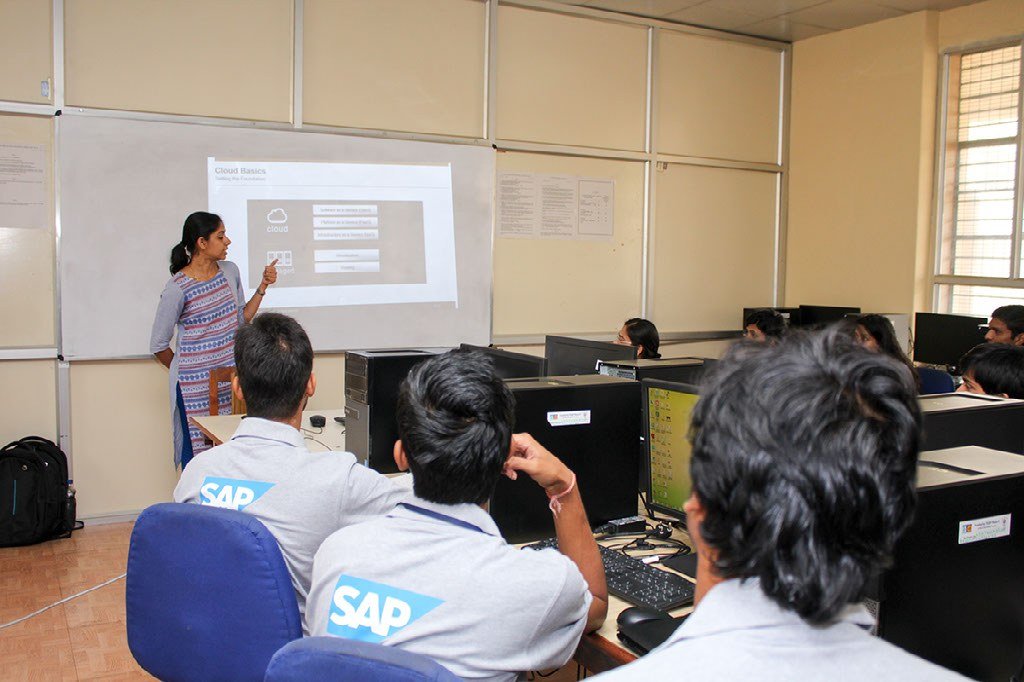


SAP India has announced more skilling programmes aimed at equipping two million people in India with AI-ready skills by 2030. The announcement, made in Mumbai on 28 October 2026, builds on the company’s existing skilling, certification and workforce development programmes. It will work with academic institutions, industry partners, government bodies and community organisations to widen access to practical skills in AI, cloud, data and enterprise technologies.
The India commitment forms part of SAP’s global pledge to equip 12 million people worldwide with AI-ready skills by 2030. SAP says India already holds a large place in its learning system, accounting for approximately 48 percent of its certified learners worldwide. The company also points to India’s share of the global talent pool, with 28 percent of the world’s STEM workforce and 23 percent of global software engineering talent based in the country.
Manish Prasad, president and managing director at SAP Indian Subcontinent, said demand for AI skills is already visible. “The foundation of India’s strength in technology has always been its people. Preparing Indian talent for the next wave of innovation requires sustained investment in how people learn, apply their skills, and apply that in their careers,” he said. He added that nearly 13 percent of the two million people SAP expects to train before 2030 have already taken part through certification, student education and community programmes.
How the skilling work reaches state programmes
One strand of the effort runs through state governments and skill development institutions. SAP says it works with those bodies to match technology skilling to regional workforce priorities. Through the Future Right Skills Network, it works with industry partners and the Ministry of Skill Development and Entrepreneurship to strengthen AI and workplace readiness among vocational learners.
That initiative combines foundational AI skilling, communication skills and industry exposure for students at Industrial Training Institutes. The aim is to help those students apply technology in practical workplace settings rather than study it in isolation. SAP says the approach gives vocational learners a route into jobs where AI tools are already part of daily work.
Academic partnerships form a second strand. Through SAP University Alliances, the SAP Learning Hub Student Edition and collaborations with educational institutions, SAP helps students gain industry relevant skills and hands on experience. Those routes also lead to certification in AI, cloud, data and enterprise technologies. A Career Readiness Training Programme launched recently by PwC India and SAP India, with KIIT Bhubaneswar, shows how the model works in practice, combining SAP certified learning with industry experience for engineering students across disciplines.
What the skilling offer covers for workers
For people already in work, SAP’s skilling and certification portfolio covers students, early career talent and experienced professionals. Role based skilling, hands on practice and industry recognised credentials sit at the centre of that offer, with performance based assessments used to test how learners apply knowledge in real scenarios. SAP cites work with SAP Joule for Consultants as an example of certification moving closer to the capabilities employers ask for.
The programmes cover AI enabled business applications among other emerging technologies. SAP says the point is practical expertise: learners should be able to use AI tools inside business processes, not simply describe them. Certification, in this model, signals that a person has applied a skill, and employers can read that signal when hiring for roles that involve SAP systems.
Those taking part so far include employees of SAP customers and partners who are building professional expertise, students exploring SAP technologies, and people in underserved communities gaining access to STEM learning. Prasad said the 2030 commitment will help more people build the capabilities to contribute to India’s AI led growth, and the company frames that growth as a matter of jobs as much as technology.
Who the skilling programmes aim to include
A further strand focuses on people outside established technology hubs. SAP’s inclusive programmes bring practical technology education to women, unemployed graduates and young people beyond the big cities. Its STEM and community programmes offer more than 1,100 combined curriculum hours in AI, digital and workplace skills, alongside mentoring and employment support.
Programmes such as Code Unnati, Digital Academy and AI Careers for Women connect technical skilling with hands on projects and career guidance. SAP says that combination matters for learners in Tier 2 and Tier 3 locations, where access to technology careers has often depended on moving to a larger city. Mentoring and employment support sit beside the coursework, so learners get help turning a certificate into a job application.
SAP closed its announcement by saying that workforce readiness now depends on applying technology with context, rather than familiarity with it alone. Together, the programmes connect technology skilling with practical application and workplace readiness, and the company says they widen access to opportunities in the AI economy.