
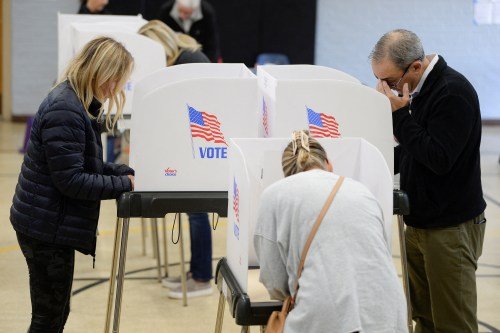


National polls and probabilistic models give Democrats a multi-point lead ahead of the 3 November midterms, and midterm polls now frame the election as a test of President Donald Trump’s hold over his party. The models assign an 85 percent to 92 percent chance that Republicans lose the House, with a substantial chance they lose the Senate as well. The numbers point to a Congress that could look very different after Tuesday.
The contest has taken on the character of a referendum on Trump. Voters are being asked, in effect, whether to keep the current Republican majorities in place or hand at least one chamber to the opposition. That framing has shaped campaign messages on both sides, with Democrats tying Republican candidates to the president’s record and Republicans working to keep attention on their own priorities.
Control of Congress carries direct consequences for the second half of Trump’s term. A House or Senate under Democratic control could slow or block legislation backed by the White House, while Republican majorities would leave the president’s programme with a clearer path. The midterm polls therefore matter well beyond the individual races they cover, since they signal how much room the White House will have after the vote.
Midterm polls point to a House loss for Republicans
The midterm polls lead for Democrats is built on national surveys and forecasting models rather than any single survey. Taken together, they give Democrats a multi-point advantage and make a Republican loss of the House the likelier outcome, though the models still leave room for a different result. Forecasts deal in probabilities, and a chance of a Republican hold remains even where the odds favour the opposition.
The Senate picture is less clear cut. The models give Republicans a substantial chance of losing that chamber too, but the wording reflects a contest that is closer and harder to call than the House race. Senate control can turn on a small number of states, so national polling leads do not translate into Senate seats in a straight line.
Midterm polls and the fight over counting votes
Alongside the polling, the Justice Department has opened election-related legal actions in key states and sought voter records. Federal courts have already rejected some of those interventions, including rulings that the government cannot block state certifications. The court decisions set limits on federal involvement in how states certify their results.
More than 51 million Americans have cast early or mail ballots, shifting attention to how states count and certify those votes. Large numbers of early ballots can mean slower tallies in close races, and that increases the potential for contested counts where margins are narrow. The counting process, rather than the voting itself, may therefore draw the closest scrutiny in the days after Election Day.
The combination of a large early vote and close races in some states means results in those contests may not be known on election night. State certification procedures, which courts have now defended against federal challenge in the cases decided so far, will govern how those counts are finished and confirmed.
Pollsters and forecasters will face their own test when results arrive, since midterm polls are judged against ballots cast rather than answers given. A lead in midterm polls does not decide an election, and turnout on Election Day can still move races that surveys put within a few points.
Midterm polls watched abroad
Argentina and international markets are monitoring the outcomes because congressional control will affect the White House’s discretionary room to provide financial support. Treasury official Scott Bessent is a central contact for Buenos Aires, so the balance of power in Washington carries weight for Argentina’s dealings with the United States.
In Spain, the PSOE suspended high-energy campaigning after the Toledo rail disaster and plans a subdued, institutional restart on 7 November. Transport Minister Oscar Puente is stepping back from active campaigning to focus on the accident response. The decision shows how events far from Washington can still intrude on the final days of a campaign season, even as midterm polls in the United States point to a change in congressional control.