


Oil prices fell more than 1% on Monday as Iranian and Qatari officials held talks for a third consecutive day aimed at securing an agreement to end the US-Israeli war on Iran, easing some immediate concerns over supply disruptions. Brent crude futures declined $1.59, or 1.40%, to $111.84 a barrel by 0011 GMT. US West Texas Intermediate crude fell $1.56, or 1.50%, to $102.56 a barrel, according to Reuters.
The decline followed a strong rise last week, with Brent ending October at its highest level in six months amid concerns that the conflict between the US, Israel and Iran could escalate again after Tuesday’s US midterm elections. The oil prices pullback on Monday therefore came after a run higher, rather than after a period of calm in the market.
Tim Waterer, chief market analyst at KCM Trade, said the fall reflected a technical correction after last week’s gains, alongside hopes of progress in diplomatic efforts. “Oil is seeing a technical pullback this morning after last week’s strong gains,” Waterer said, as quoted by Reuters. He added that lingering hopes of some form of diplomatic progress, combined with the absence of any meaningful military escalation over the weekend, had taken some of the immediate heat out of prices for now.
Oil prices pull back after October gains
Waterer cautioned, however, that the market remained alert to the possibility of stronger rhetoric over Iran, which could push Brent crude towards $120 a barrel after the midterm elections. That warning shows how quickly the direction of oil prices could change if diplomatic hopes fade or if language from Washington or Tehran hardens in the days after the vote.
The October rise had been driven by concern that the war could widen and disrupt supplies further. Brent’s finish at a six-month high left the market exposed to a correction once traders saw even a pause in escalation, and Monday’s trading provided that pause. The size of the fall, more than 1% for both main benchmarks, was modest beside the previous week’s gains, but it marked a clear change in tone.
Oil prices and the Hormuz tanker attacks
The latest price movement came as Iranian and Qatari officials continued consultations aimed at facilitating an agreement to restart direct negotiations between Washington and Tehran. Iranian foreign minister Abbas Araqchi said on Sunday that the purpose of the “ongoing and progressing” discussions was to continue consultations with Qatari mediators. He added that Tehran was prepared for “both defence and diplomacy”.
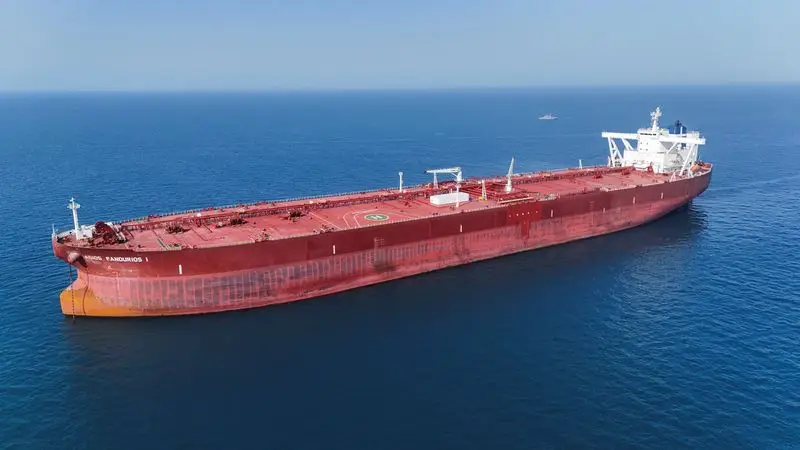
The diplomatic efforts are taking place against the backdrop of attacks on oil tankers travelling through the Strait of Hormuz, which have pushed up global energy and shipping costs. The waterway is an important route for global oil shipments, and disruptions to tanker movements have remained a concern for energy markets during the conflict. Any agreement that eased passage through the strait would matter to traders because so much crude moves through that narrow channel, and any continued threat to tankers there keeps a risk premium in the price.
For now, the talks have not produced a reported agreement, and the market is reacting to the prospect of progress rather than to a signed deal. The oil prices reaction on Monday reflects that balance: relief that talks are continuing and that the weekend passed without meaningful escalation, set against the knowledge that the underlying conflict has not ended.
Oil prices: OPEC+ holds December targets
Meanwhile, the Organisation of the Petroleum Exporting Countries and its allies, a grouping known as OPEC+, kept their December production targets unchanged on Sunday. The decision was in line with market expectations and indicated that the group would not make further policy adjustments until next year, as it continues to face export disruptions linked to the Iran war. The decision left oil prices to move mainly on diplomatic news and tanker reports rather than on producer supply changes.
Separately, Saudi Arabia increased its crude oil exports in October compared with September, despite attacks by Iran-aligned Yemeni Houthi forces on its energy infrastructure, Reuters reported, citing two of three ship-tracking companies. The increase suggests that Saudi shipments kept moving even as regional infrastructure came under attack.
The developments in the Gulf, the outcome of diplomatic efforts involving Iran and Qatar, and the possibility of renewed military escalation after the US midterm elections remain main factors for oil markets. Traders will watch the talks, the language from capitals after Tuesday’s vote, and tanker movements through the Strait of Hormuz for the next signal on where oil prices head from here. Any shift in oil prices from here will likely follow the talks first, and the tanker situation second.