
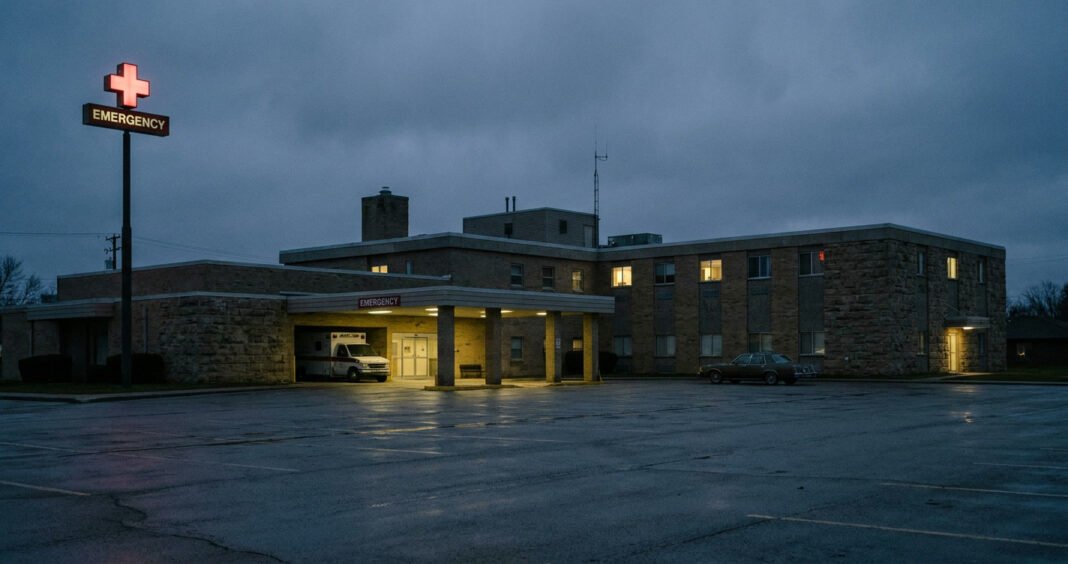


Rural health in America has received its largest ever federal investment, the White House said as it marked National Rural Health Day, with a 50 billion dollar fund now paying out to every state. The Rural Health Transformation Fund, created by the Working Families Tax Cuts Act signed on 4 July 2025, will provide 10 billion dollars a year from 2026 through 2030 to strengthen hospitals and clinics, recruit health workers and expand remote care.
The administration said the fund was already working in all 50 states. On 9 November it announced a second round of awards worth 10 billion dollars, bringing the total awarded so far to 20 billion dollars. The White House described the fund as the single largest investment in rural health in American history, and said every Democrat in Congress had opposed the legislation that created it.
The need is plain in the rural health figures. People in rural areas live about three years less than their neighbours in towns and cities, according to an opinion piece published on 19 November in RealClearHealth by the three officials running the programme: Robert F. Kennedy Jr, the health secretary, Dr Mehmet Oz, who leads the Centers for Medicare and Medicaid Services, and Thomas Engels, who leads the Health Resources and Services Administration.
Rural health funding and what states must do
States drew up transformation plans to strengthen hospitals and clinics, recruit health professionals, expand remote care and address chronic disease, and each state submitted a progress report that the Centers for Medicare and Medicaid Services reviewed before deciding this year’s awards. The administration said it was giving states flexibility while demanding accountability, and that taxpayers deserved to know what the investment was building.
The Health Resources and Services Administration has backed the fund with smaller awards of its own. In September it gave 11.2 million dollars to develop 15 new physician residency programmes in rural communities across 14 states, to help those places train their own doctors. It also gave nearly 25 million dollars to 132 small rural hospitals across 13 states through the Rural Hospital Provider Assistance Program, money that can help keep doctors and nurses and sustain emergency and inpatient care.
For families facing addiction, the agency announced 89.3 million dollars through its Rural Communities Opioid Response Program, supporting prevention, treatment, recovery, workforce development and community partnerships across 45 states and one territory. It also gave nearly 19 million dollars to expand telehealth and technology-enabled learning in rural communities, including 5.4 million dollars for telehealth nutrition networks and 4.75 million dollars for collaborative learning to support providers.
Rural health and the wider cost debate
The White House tied the fund to its wider health agenda, saying its drive for lower prescription drug prices had delivered the largest drop in drug prices in more than 60 years, and that weight loss medicines were now available to seniors for 50 dollars a month. It also said more than 500 billion dollars of investment had been secured to bring pharmaceutical development back to the United States.
The picture is more mixed than the announcement suggests. KFF, a health policy organisation, estimates that the same law that created the fund will cut federal Medicaid spending on services used by rural enrollees by 137 billion dollars over ten years, based on congressional budget estimates. The fund covers a different range of activities over five years, so the two figures do not by themselves show the net effect on any single hospital or on rural health overall.
In July, the Health Resources and Services Administration re-established the National Advisory Committee on Rural Health and Human Services to advise the health department on the challenges facing these communities. The three officials behind the programme wrote that a grant announcement only begins the work, and that success means finding a clinician, reaching an appointment and receiving care closer to home. “Where you live should not determine how long you live,” they wrote.