
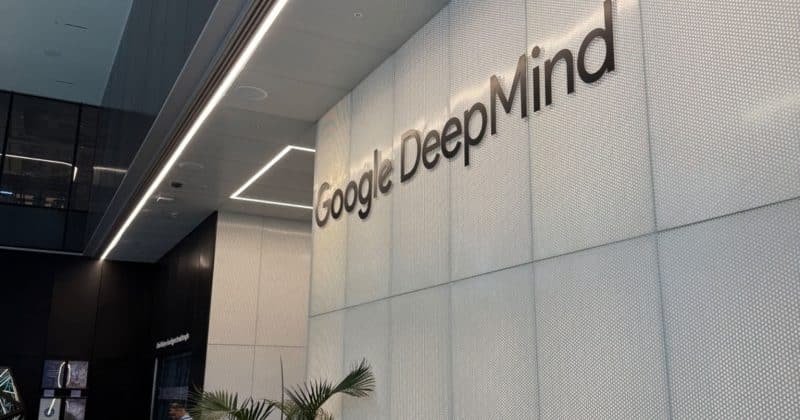


Staff at Google DeepMind in Britain are pressing executives to release them from non-disparagement agreements that bind them for life, even after they leave the company. Workers told The Washington Post that the clauses stop them from warning the public about the risks of the technology they help build. The dispute was reported by The Washington Post on 3 November, based on a contract reviewed by the newspaper and interviews with two current DeepMind workers who spoke on the condition of anonymity to avoid retribution from the company. DeepMind is Google's artificial intelligence division, based in large part in London, and it grew out of the 2014 acquisition of a British start-up.
The contracts signed by employees in Britain block them from communicating with the public about the potential impacts of AI, the two current workers said. The workers want the clause dropped entirely from existing employment contracts, rather than only from contracts signed by future hires. Google has already changed the terms for new hires. On Friday, a Google executive responded to an internal discussion about the clause and said that the company would not enforce it for workers who had left the company. A Google spokesperson said the company does not enforce non-disparagement clauses after people leave Google, and that it has internal channels for workers to raise concerns with senior leaders.
DeepMind contracts under challenge
Staff argue that they must be free to inform the public about the risks of the technology they are working to advance. The current employees who spoke to The Washington Post said the company should still drop the clause entirely from existing employment contracts, as opposed to only new ones. The distinction matters to them because staff hired under the older terms remain bound by the lifetime restriction even though new hires are not. The Post did not report how many current or former DeepMind employees are bound by the lifetime clause. It also did not report whether the clause would survive scrutiny at a UK employment tribunal if it were tested.
Google's response drew a line between enforcement and removal. The company said it would not enforce the clause against workers who had already left, and that it had updated its terms for new hires to remove the post-termination part of the non-disparagement clause. The spokesperson added that workers have dedicated internal channels to escalate concerns to top leaders. DeepMind staff pushing for change do not see internal channels as a substitute for the freedom to speak in public. Their argument is that warnings about AI risks reach the public only when researchers can speak outside the company, in their own names or through published work, without fear of legal action after they leave.
DeepMind dispute in a wider debate
The dispute has arrived during a wider argument about who gets to speak about AI safety. A series of senior researchers at leading companies including Google, OpenAI and Anthropic have publicly resigned in recent months, citing concerns about the threat AI could pose to society. In September, Demis Hassabis, who served until recently as Google's top AI executive and the longtime leader of DeepMind, joined with the chief executives of OpenAI and Anthropic and Elon Musk of SpaceX in calling for a slowdown in AI development. They said more time was needed for research into how to keep the technology fully under human control. The call put the pace of development, rather than any single product, at the centre of the debate.
That debate gives the DeepMind contract fight a weight beyond one company. Researchers who work on advanced systems hold information the public does not have, including early signs of what a system can do and where it fails. If their contracts bar them from speaking after they leave, that information stays inside the company unless a researcher resigns in public or speaks despite the risk. DeepMind staff say the lifetime clause has exactly that chilling effect, even if Google says it will not enforce it after departure. A promise not to enforce a clause is not the same as removing it, in their view, because the clause remains in the contract and a future management team could take a different view.
Google has not said whether it will change existing contracts. The company pointed to its updated terms for new hires and its internal escalation channels, and said it does not enforce the clause after people leave. Workers want the clause struck from the contracts they already signed. Until that happens, the two sides remain apart on the one point the workers say matters most: whether staff who built the systems can speak freely about them, in public, for the rest of their working lives.