
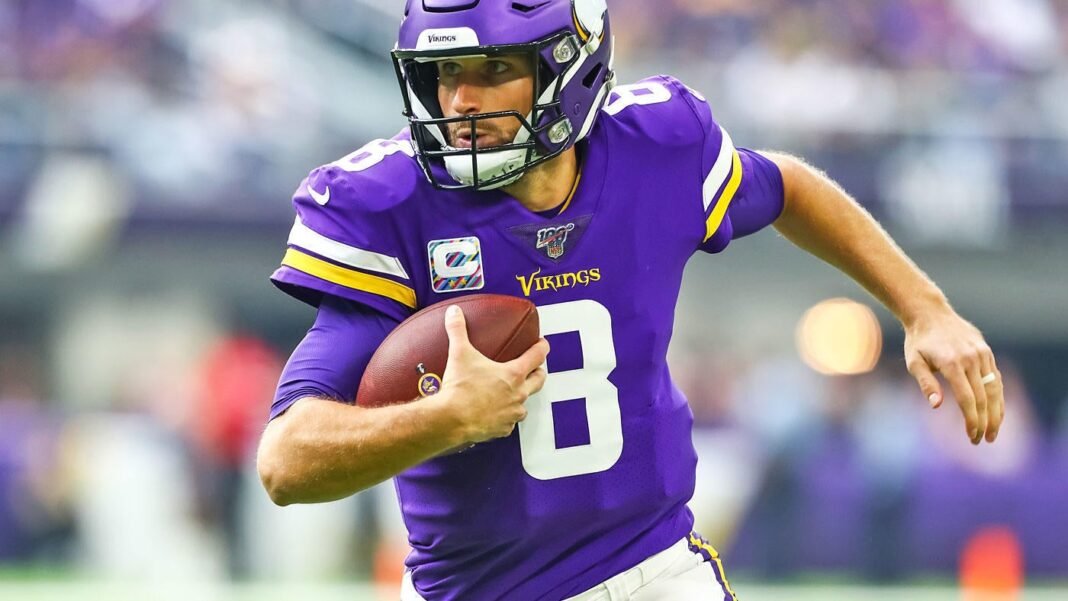


The Kirk Cousins trade is done. The Las Vegas Raiders have sent the 38-year-old quarterback to the Minnesota Vikings for a 2027 third-round pick, bringing Cousins back to the team he played for from 2018 to 2023. The deal was reported on Tuesday by Tom Pelissero of The Ringer and confirmed by ESPN and NFL Network, shortly before the trade deadline. The Vikings had been looking at other quarterback options before settling on the familiar face. It came less than a day after Minnesota lost 23-6 to Buffalo on Monday night, a game in which the Vikings managed 81 passing yards.
Why the Kirk Cousins trade happened now
Minnesota is 6-2, but the offence stalled against Buffalo. The Vikings’ quarterback completed 8 of 25 passes on Monday night, and head coach Kevin O’Connell sent the question about the position upstairs after the game. By Tuesday morning, talks had picked up, and the Kirk Cousins trade was done before the deadline. Cousins knows O’Connell’s offence: he played two seasons under him in Minnesota, in 2022 and 2023, and the pair worked together when Justin Jefferson caught 128 passes for 1,809 yards in 2022.
The Kirk Cousins trade ends a short stay in Las Vegas. Cousins has thrown for 2,340 yards with 20 touchdown passes and eight interceptions in nine starts for the Raiders this season, a 97.1 passer rating. The Raiders are 4-5, and the Kirk Cousins trade lets them turn to Fernando Mendoza, the No. 1 overall pick, as their quarterback. Cousins joined the Raiders for 2026 as a placeholder for Mendoza, and the trade lets Las Vegas start that next phase. Cousins first joined Minnesota as a free agent in 2018 and played 88 regular-season games for the club before leaving as a free agent in 2024. He signed a four-year, $180 million deal with Atlanta, spent two seasons there, and then moved to Las Vegas.
What Minnesota is paying
The Vikings sent their own 2027 third-round pick to Las Vegas in the Kirk Cousins trade. They still hold a third-round pick that belonged to Philadelphia, which came to Minnesota in the Jonathan Greenard trade in April. Minnesota is taking on Cousins’ minimum base salary for the rest of this season and a $10 million guaranteed roster bonus due next March. The price matches what had been suggested before the deadline: a single Day 2 pick for a quarterback with nine starts and 20 touchdown passes this season. Minnesota still has its own first and second-round picks next spring, along with six picks in the fifth and sixth rounds, and no fourth-round picks.
What the Kirk Cousins trade means for Jefferson
Justin Jefferson has 31 catches for 393 yards in seven games this season, an average of 56.1 yards per game. He caught three of his 11 targets in the loss to Buffalo. In 2022, his first year with Cousins under O’Connell, he averaged 106.4 yards per game on the way to 128 catches and 1,809 yards. O’Connell has not said who starts once everyone is healthy, and Minnesota’s current starter is week to week with a hamstring strain. If Cousins plays as he has for Las Vegas, that decision gets harder. Cousins has averaged 7.4 yards per attempt for the Raiders, against 6.6 for Minnesota’s current starter. The Kirk Cousins trade gives O’Connell a quarterback who has already run his offence.
The Kirk Cousins trade is the second time Minnesota has brought back a former starting quarterback. In 1967, the Vikings traded Fran Tarkenton to the New York Giants, and in 1972 the Giants traded him back. Cousins is the first to return in that way since then.
Cousins marked the move by posting an old photo of himself jogging onto the field in his No. 8 Vikings jersey, with the words “See you soon, MN!” He also thanked Raiders fans and encouraged Mendoza. His return could come as soon as Sunday, when Minnesota plays at Green Bay.
Web story: Kirk Cousins Traded Back to the Minnesota Vikings