
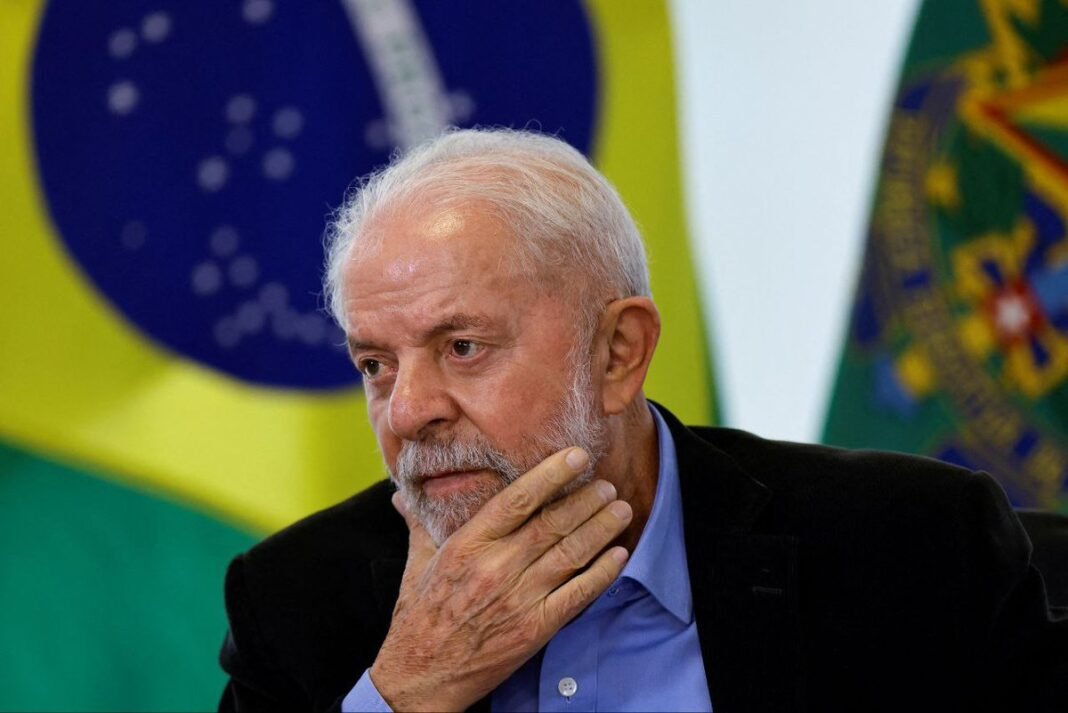


Lula U-turn on one of Brazil’s most sensitive public-safety debates came on Thursday night, when President Luiz Inacio Lula da Silva said he now supports lowering the age of criminal responsibility from 18 to 16 for heinous crimes, reversing a position he and his Workers’ Party have held for years. He made the announcement in an interview with TV Globo’s Jornal Nacional, the country’s main newscast, a little over a week before the presidential runoff.
Lula will face Senator Flavio Bolsonaro, the son of former president Jair Bolsonaro, in the runoff on October 25, after the senator surprisingly led him in the first round, Reuters reported. According to The Guardian, Lula trails his far-right opponent, who won the first round by 2.2 million votes and remains slightly ahead in polling. The Bolsonaro family has long argued for a lower age, preferring 14 rather than 16.
When asked directly whether he meant 16, Lula confirmed his position affirmatively. He said his own view as a citizen was that the threshold should fall for every crime classed as heinous. Under Brazilian law, the category of heinous crimes encompasses a wide range of offences including murder, rape, drug trafficking and medicine falsification, according to reports.
Lula U-turn: The Politics Behind the Reversal
The reversal is widely seen as an electoral gambit. Recent polling, including a survey this week, has put public support for lowering the age at about 80 percent, according to The Guardian. With the runoff days away and security a dominant voter concern, Lula’s reversal brings him closer to a position long championed by his opponent’s camp, though the Bolsonaro family wants the threshold lowered to 14 rather than 16.
Opposition lawmakers have proposed including a reduction in the minimum age of criminal responsibility in a government-backed bill aimed at strengthening the powers of the federal government in public safety. The bill was set to be voted on Thursday in the Senate, but the vote was postponed amid the debate over whether to include changes in the criminal responsibility age. Lula said the reduction should not be discussed in that bill, arguing that the proposal before Congress focuses on a different issue.
Lula U-turn Sparks Fierce Debate on Crime
Human rights advocates and security specialists have raised concerns about lowering the age threshold, arguing that such measures fail to address the underlying causes of violence and may instead increase recruitment into criminal organisations within Brazil’s already overcrowded prison system. Drug trafficking alone accounts for approximately one-quarter of the country’s incarcerated population of 816,000 individuals, according to reports.
Supporters of the change argue that serious crimes committed by older teenagers demand accountability and that the current threshold leaves victims without justice. Opposition lawmakers, including Flavio Bolsonaro, supported lowering the minimum age to 16 years in general, and to 14 for violent crimes, Reuters reported. The debate now moves to Congress, where any change would require legislation and, potentially, a constitutional amendment.
Flavio Bolsonaro’s surprise first-round lead, by a margin of 2.2 million votes according to The Guardian, has forced Lula to fight on terrain his opponent’s family has owned for years. Security has become the dominant issue of the runoff, and with polling showing roughly four in five Brazilians favour a lower age, neither camp can afford to look soft on violent crime.
Lula U-turn: What Happens After the Runoff
Whether the shift translates into law will depend on the outcome of the October 25 runoff and the balance of forces in Congress. A Lula victory would put the proposal in the hands of a president who embraced it only days before the vote, while a Bolsonaro win would likely push the threshold even lower, to 14. Either way, Brazil’s debate over youth, crime and punishment has entered its most consequential phase in years.
For now, the announcement has scrambled the campaign’s final days, forcing both camps to clarify how far they would go. With public opinion running strongly in favour of a lower age, the question is no longer whether Brazil debates criminal responsibility for teenagers, but where the new line will be drawn.